



A New Home in Orbit
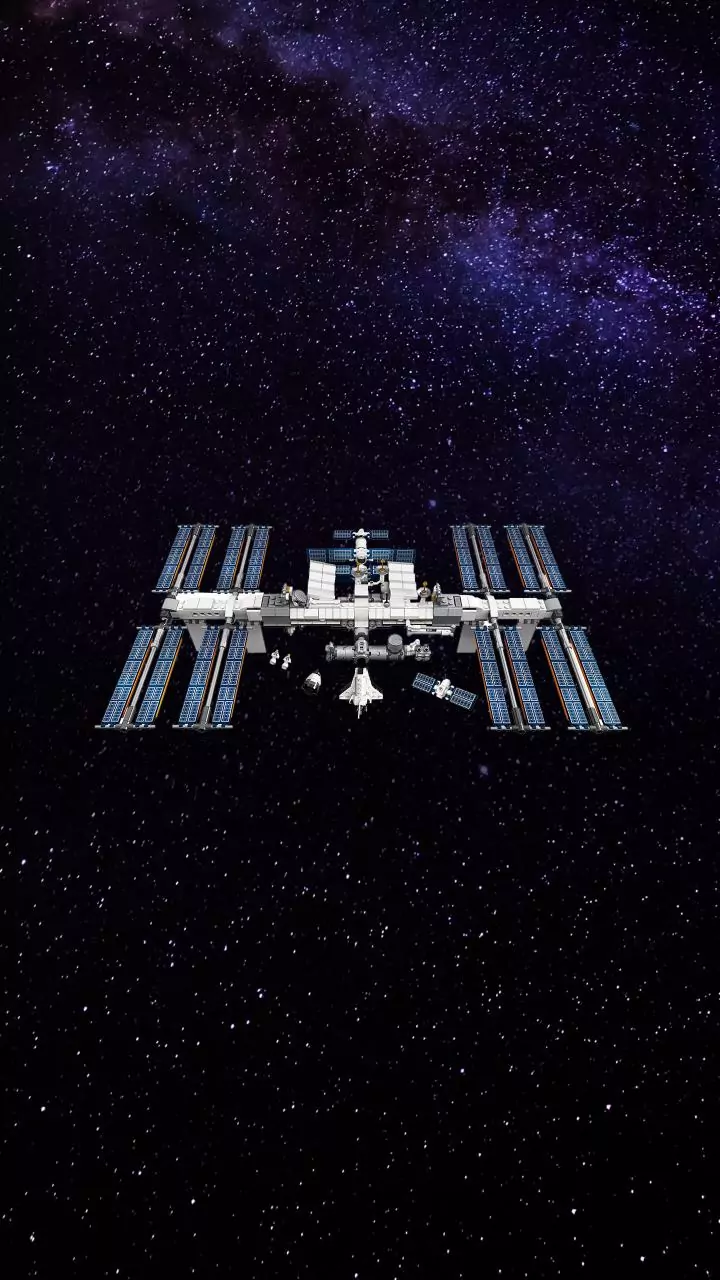
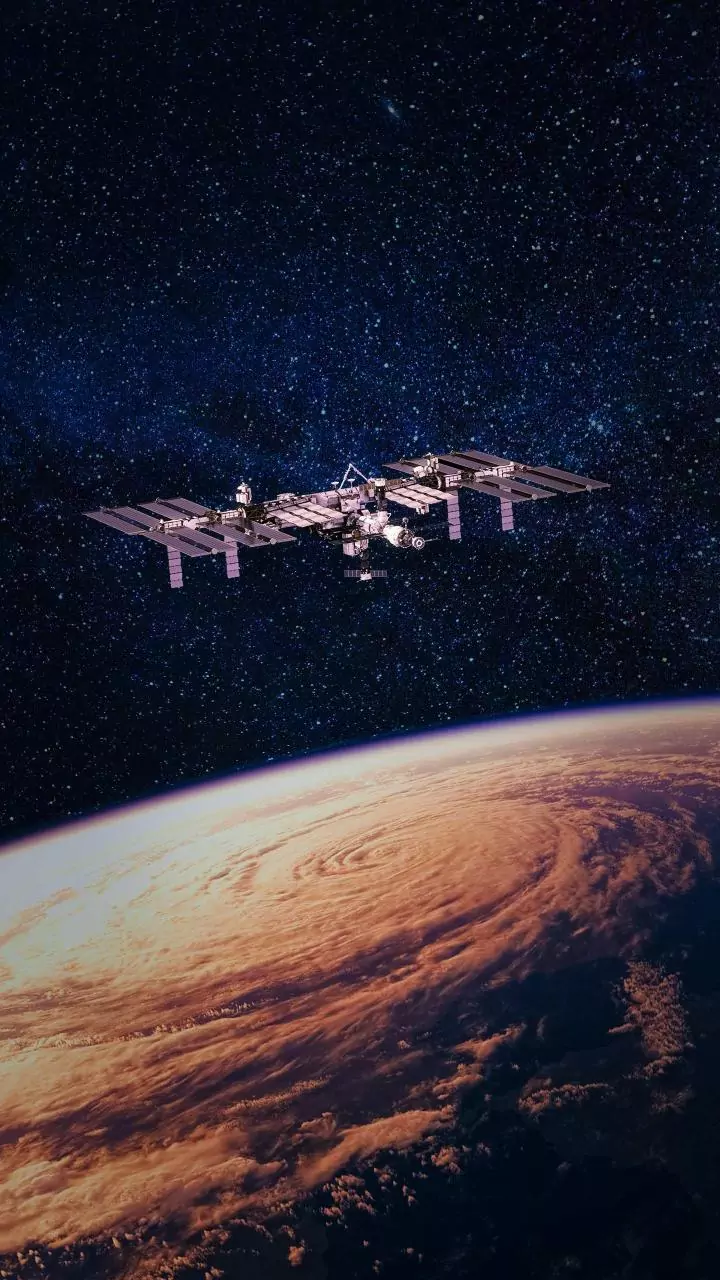
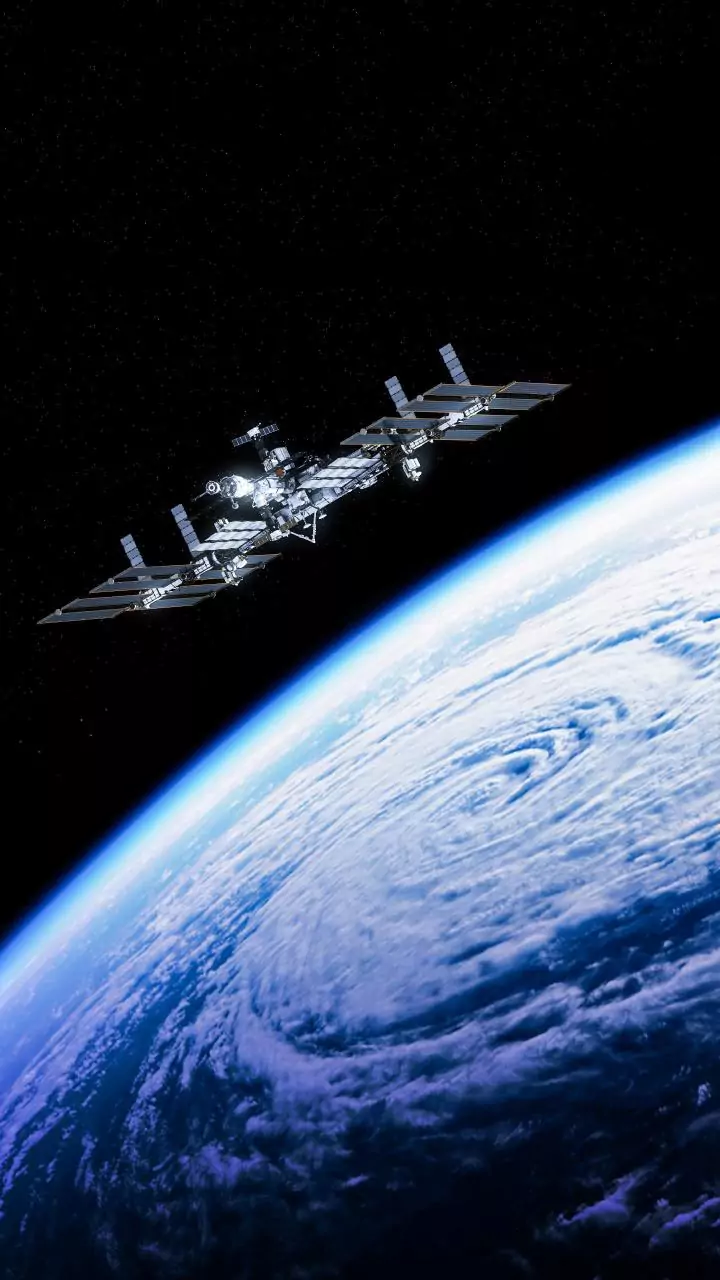
For over two decades, the International Space Station (ISS) has been humanity's lone outpost in low-Earth orbit, a hub for groundbreaking science and international cooperation. But the venerable station is aging and slated for retirement around 2030.
This looming deadline has created a critical need and a massive business opportunity: a replacement platform to continue vital microgravity research. Stepping into this gap is a new breed of private company, part of NASA's Commercial Low-Earth Orbit Destinations (CLD) program. Instead of governments building another station, NASA aims to become just one of many customers for a fleet of commercially owned and operated habitats. This shift marks a fundamental change in how humanity will live and work in space, transitioning from a government-led model to a bustling commercial ecosystem.
The Inflatable Advantage
When you think of a space station, you probably picture rigid, metallic cylinders. However, the future may be softer. Many of these new commercial stations are being built around inflatable modules. These aren't like party balloons; they are advanced structures made of multiple layers of high-strength, flexible fabrics like Vectran. Once in orbit, they inflate to their full size, offering significantly more interior volume for the same launch mass compared to traditional rigid structures. This 'packaging efficiency' is a game-changer. A habitat that can be packed into a single rocket fairing can expand to the size of a multi-story building once in space, providing ample room for labs, living quarters, and even gardens. This approach promises to lower launch costs and create more comfortable, less claustrophobic environments for astronauts.
Key Players in the New Space Race
Several companies are leading the charge. Sierra Space is developing its Large Integrated Flexible Environment (LIFE) habitat, a three-story inflatable module that has undergone successful burst tests in collaboration with NASA. The LIFE habitat is a key component of the Orbital Reef space station, a joint project with Blue Origin. Another major player is Axiom Space, which is building its own commercial station that will initially attach to the ISS before becoming a free-flying outpost. Axiom is also developing inflatable modules, including one planned as a space-based media and entertainment venue. Even in India, startups are entering the fray. Akashalabdhi, incubated at IISc, is developing 'AntarikshHAB', with plans to launch a scaled-down version in 2026 to test the technology for research and manufacturing applications.
Science in a Softer Shell
The primary purpose of these new commercial outposts is to continue and expand upon the scientific work done on the ISS. The microgravity environment of space is unique, allowing for research impossible on Earth. In weightlessness, phenomena like buoyancy and sedimentation are absent, allowing scientists to study everything from protein crystal growth for new drugs to the creation of flawless fiber optics and novel metal alloys. These inflatable labs will host experiments in materials science, fluid dynamics, pharmaceuticals, and biotechnology. For example, understanding how cells and tissues grow without the influence of gravity can lead to breakthroughs in regenerative medicine. By providing more frequent and cost-effective access to orbit, these commercial stations could accelerate the pace of discovery and unlock new industrial processes.