


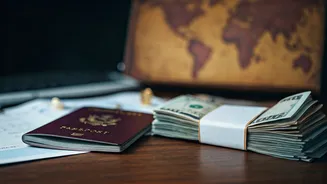




The Soaring Price of Escape
The most significant headwind facing aspiring travellers is the rising cost. International airfares have surged, with some routes to Europe seeing price hikes of over 50% compared to last year. This is driven by a combination of factors, including elevated
jet fuel prices, geopolitical instability forcing longer flight paths, and a reduction in flight capacity on key routes. It’s not just flights; hotel rates and on-ground expenses have also climbed. This financial pressure is forcing many to reconsider their plans, either postponing long-haul trips or opting for more budget-friendly alternatives closer to home. Travel industry insiders note that while the desire to travel remains strong, the behaviour is shifting, with many swapping expensive overseas holidays for domestic destinations.
Navigating the Visa Maze
Another major hurdle, particularly for those eyeing trips to the West, is the complex and often lengthy visa process. Wait times for first-time B1/B2 tourist visa interviews for the US can still range from 100 to 250 days in major Indian cities. Recent changes in vetting procedures, including expanded social media reviews for some visa categories, have created further backlogs and uncertainty, with some appointments being pushed back significantly. While some countries have simplified entry with visa-on-arrival or e-visa schemes, the difficulties in securing visas for popular Western destinations are a significant deterrent, making shorter, visa-friendly trips to countries like Thailand and Vietnam more appealing.
Redefining the Itinerary
For many, “slowing down” isn't about stopping travel but changing its pace and purpose. A powerful trend known as “slow travel” is taking hold. Instead of whirlwind, multi-city tours, travellers are choosing to stay in one destination for longer periods, sometimes over 30 days, to immerse themselves in the local culture. This shift is driven by a desire to combat burnout—with 70% of Indian Gen Z reporting workplace exhaustion—and a search for more meaningful experiences. Reports show that relaxation is the primary travel motivator for 67% of Indian travellers, who are now seeking quiet surroundings, nature, and unhurried schedules over packed itineraries. This has given rise to “hushpitality,” where the new luxury is disconnection and peace, far from social media-saturated hotspots.
Finding Paradise at Home
The combination of high international travel costs and a desire for slower, more authentic experiences is fuelling a massive boom in domestic tourism. India’s domestic tourism sector now accounts for about 85% of total travel and tourism spending. Travellers are exploring the country's diverse landscapes with newfound enthusiasm. There is a growing preference for lesser-known destinations that offer unique cultural experiences away from crowds. Accommodation searches for quieter Himalayan towns like Dharamshala and Rishikesh have surged, with travellers drawn to their blend of nature, wellness, and spirituality. This “inward wanderlust” shows that for many, exploring India is no longer a compromise but a deliberate and rewarding choice.