






The Reality Behind New Travel Rules
Contrary to some online buzz, the Himachal Pradesh government has not introduced a new universal permit for Indian tourists to enter Spiti Valley. For years, Indian citizens have been able to travel to most parts of Spiti, including Kaza, Tabo, and Key
Monastery, with just a valid government-issued photo ID. This remains largely true. The confusion arises from increased vigilance and advisories from the Lahaul and Spiti district administration, driven by a surge in monsoon-related incidents. While there isn't a new tourist permit per se, authorities are urging extreme caution and have implemented stricter checks at entry points like Sumdo. Some online portals, like the e-Aagman system, were introduced to manage vehicle entry into Lahaul, but they do not function as a permit for Spiti itself for Indian nationals. Foreign nationals, however, continue to require a Protected Area Permit (PAP) for areas near the international border.
Why the Heightened Monsoon Caution?
The stricter advisories and talk of restrictions are a direct response to the increasing fury of the monsoon in the Himalayas. In recent years, and particularly in the 2026 season, Himachal Pradesh has been battered by an alarming number of landslides, flash floods, and cloudbursts. The India Meteorological Department (IMD) has issued multiple 'yellow' and 'orange' alerts, warning of heavy rainfall and the associated dangers. Since the monsoon began, hundreds of roads have been blocked across the state, with dozens of lives lost in rain-related incidents. These events often leave tourists stranded for days, straining local resources and posing significant risks to life. The administration's cautious stance is not about bureaucracy; it's a critical disaster management strategy aimed at preventing tragedies in a region where weather can turn deadly in an instant.
Navigating Spiti’s Treacherous Routes
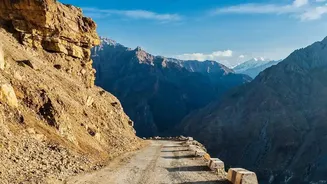
Spiti Valley has two primary entry routes, and their status during the monsoon is a tale of two different challenges. The Shimla-Kaza highway (NH-5), which passes through Kinnaur, is traditionally considered the more reliable monsoon route. It allows for gradual acclimatization and is generally better maintained. However, it is not immune to risks; the stretches between Wangtu and Sumdo are highly prone to landslides during heavy rains. The Manali-Kaza highway is a shorter, more dramatic route that involves crossing the high-altitude Kunzum Pass (around 14,930 feet). While it reopened for the season in late May 2026, the section from Gramphu to Batal is notoriously difficult, with unpaved tracks and multiple water crossings that swell dangerously after rainfall. Authorities often restrict this route to 4x4 vehicles, especially early in the season or after fresh spells of rain. As of early August 2026, both routes are technically open but remain highly unpredictable, with frequent closures reported across Himachal.
Your Monsoon Spiti Travel Checklist
If you are determined to travel to Spiti this monsoon, preparation and flexibility are non-negotiable. First, build several buffer days into your itinerary. A journey that takes two days in clear weather could easily take four or five if roads are blocked. Second, always check the road status on the day of travel. Do not rely on information that is more than 24 hours old. Official sources like the State Emergency Operation Centre and local police advisories are your best bet. Third, prioritize the Shimla-Kaza route for a safer ascent, but remain aware of its own landslide-prone zones. Travel in a vehicle with high ground clearance, and if taking the Manali route, a 4x4 is strongly recommended. Finally, inform your family of your travel plan, carry extra supplies, and heed all local warnings. The mountains are beautiful, but they demand respect, especially during the monsoon.