




Why Balcony Pots Are a Game-Changer
Growing strawberries in containers is a popular choice in India, especially for those with limited space. Balcony pots provide superior control over the growing environment. You can perfect the soil mix, manage water levels precisely, and, most importantly,
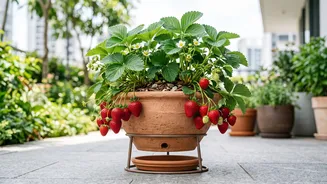
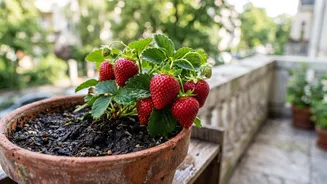
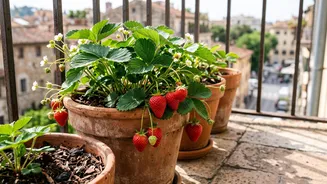
keep the fruit from resting on consistently wet ground. This elevation is key. As berries develop, they can hang over the rim of the pot, ensuring they stay dry and receive ample air circulation, which dramatically reduces the risk of fungal diseases like grey mould (Botrytis) and fruit rot that thrive in damp conditions. Pots are also mobile, allowing you to move them to optimize sunlight or protect them from heavy monsoon rains.
Choosing the Perfect Pot
Strawberries have shallow roots, but they need adequate space to thrive. A pot that is at least 8-10 inches deep and 12 inches wide is a good starting point for a few plants. Terracotta pots are breathable, which is great for root health, but they also dry out quickly. Plastic pots are lighter and retain moisture longer, making them a practical choice for a sunny balcony. Regardless of material, non-negotiable features are drainage holes. Without proper drainage, soil becomes waterlogged, starving roots of oxygen and leading to fatal root rot. Hanging baskets and special strawberry pots with side pockets are also excellent options that naturally keep the fruit elevated.
The Ideal Soil and Planting Technique
Never use heavy garden soil in containers; it compacts easily and drains poorly. Strawberries flourish in a light, loose, and well-draining potting mix. A reliable DIY mix for Indian conditions combines equal parts good-quality potting soil, compost (like vermicompost), and cocopeat for moisture retention. When planting, the most critical step is to correctly position the crown—the part of the plant where the leaves emerge from the roots. The crown must remain at or slightly above the soil level. If buried, it will rot; if too high, the roots will dry out. Space plants about 6-8 inches apart to ensure they have enough room.
Watering, Sun, and Nutrition
Container-grown strawberries dry out much faster than those in the ground. Check the soil daily, especially in warm weather. Water thoroughly when the top inch of soil feels dry, but avoid making the soil soggy. It's best to water the soil directly, not the leaves or fruit, to discourage fungal growth. For a sweet, bountiful harvest, your plants will need at least six hours of direct sunlight per day. Once flowers appear, begin feeding your plants every two to three weeks with a liquid fertiliser that is high in potassium, such as a tomato feed, to encourage fruiting over leafy growth.
The Art of Keeping Berries Clean
Even in a pot, developing fruit can sometimes come into contact with the soil surface. The traditional solution, from which the plant gets its name, is to apply a mulch of straw around the base of the plant. This layer of straw or even coco chips provides a dry, clean cushion for the berries to rest on, preventing rot and keeping them free of dirt splashed up during watering. In hanging baskets or standard pots, you can simply guide the fruit-bearing stems to hang over the edge. Specialised plastic strawberry supports are also available; these small cradles elevate the fruit clusters just above the soil.
Pest Control and Overwintering
While container gardening reduces many pest issues, birds can be a major problem once they spot your ripening berries. Covering the pots with netting is an effective deterrent. For common pests like aphids, a spray of neem oil solution every 10-12 days can keep them in check. In most Indian plains, strawberries struggle with the intense summer heat and are often grown as a winter-spring annual crop. For those in cooler climates, plants can be overwintered. Move pots to a sheltered spot, wrap them in hessian or fleece to protect the roots from frost, and water only sparingly on frost-free days.