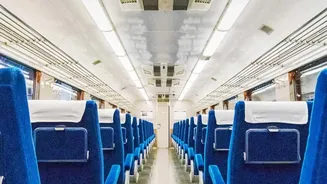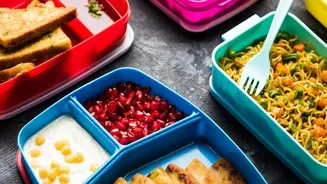





The classic train journey dilemma—to pack food from home or risk the pantry car—may soon be a thing of the past. Indian Railways is testing a new approach to onboard dining, and it could change how you eat on the go.
A New Recipe for Railway Catering
Indian Railway Catering and Tourism
Corporation (IRCTC) has initiated a pilot project aimed at revamping the onboard dining experience. In response to frequent passenger complaints about food quality and hygiene, IRCTC is trying a 'less is more' approach. The trial, which began on November 1, 2026, features a more compact, airline-style menu. The core idea is that by reducing the number of dishes, catering staff and partner kitchens can better focus on improving the quality, consistency, and hygiene of each meal served. This initiative is currently being tested on three key long-distance routes, with passenger feedback playing a crucial role in determining its future.
The Three Vande Bharat Sleeper Routes
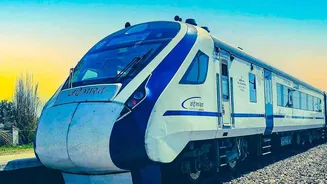
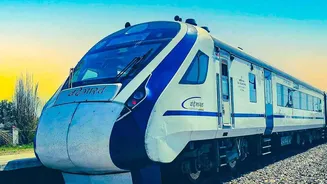
This significant trial is not happening on just any train; it's being rolled out exclusively on three Vande Bharat sleeper services. These routes connect major hubs across the country, ensuring the trial gets a wide range of passenger feedback. The trains included in this proof of concept are: the Mumbai-Bengaluru route, the Howrah-Kamakhya (Guwahati) route, and the New Delhi-Varanasi Junction route. Officials have stated that the performance of the trial on these Vande Bharat sleepers will be closely evaluated before any decision is made to expand the compact menu concept to a wider network of trains, including other premium services like Rajdhani or Shatabdi.
What's on the Trimmed-Down Menu?
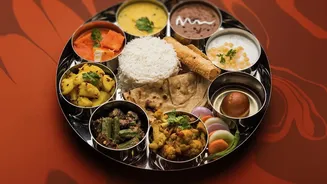
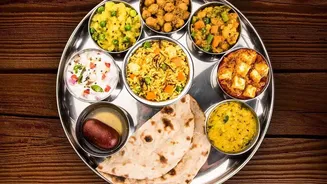
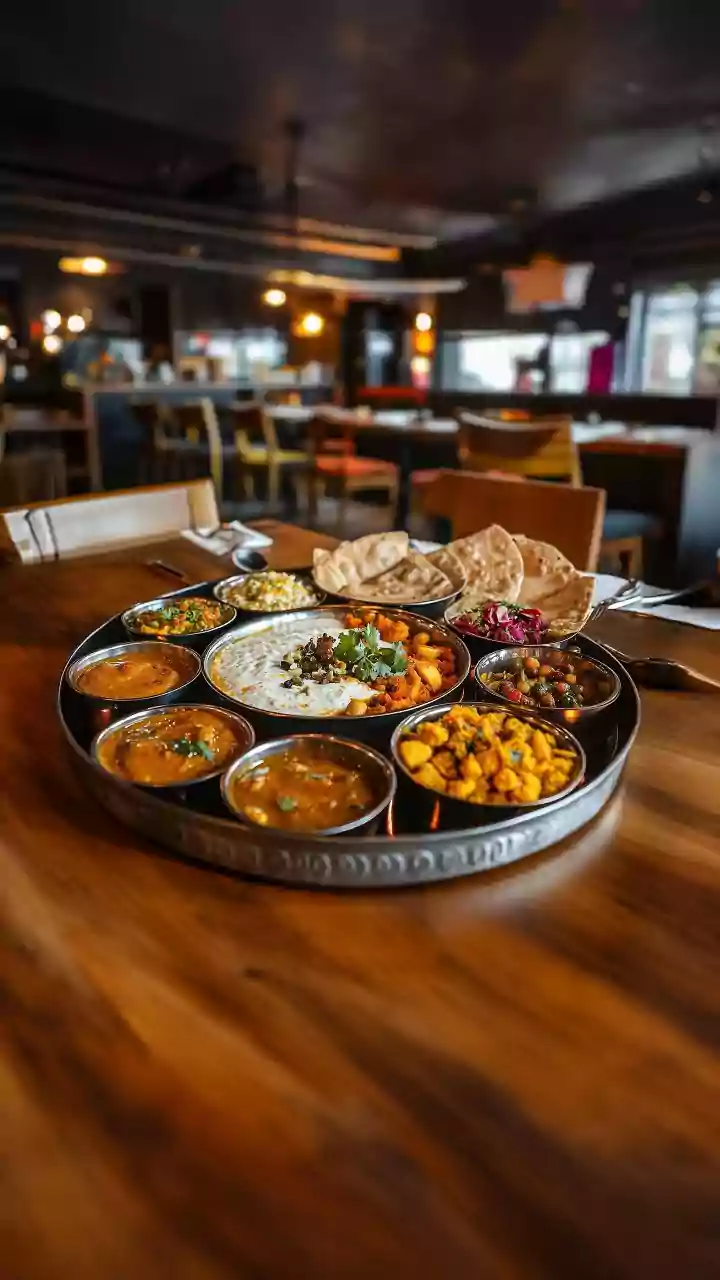
So, what does this new, focused menu look like? For breakfast, passengers will have a choice between familiar comforts like a plate of idli and vada with sambhar, poha, or upma. This means items like sandwiches, omelettes, and soups have been removed from the morning service. For lunch and dinner, the meal has been simplified to a core combination of chapati, rice, dal, and one main dish, which comes with a choice of a chicken or a vegetable preparation. Accompaniments such as a dry vegetable side, curd, salad, pickles, and sweets, which were previously part of the standard meal tray, have been discontinued for the trial. The total weight of a meal has also been reduced from around 700-750 grams to a more manageable 450-500 grams, though IRCTC assures that the portion size of the main items remains the same.
Behind the Scenes: A Focus on Quality Control
This menu change is part of a larger strategy to overhaul the entire catering supply chain. Instead of relying solely on traditional pantry cars or existing vendors, IRCTC is partnering with major cloud kitchens and established hospitality service companies to prepare these meals. By de-linking meal production from onboard service, the railways hope to bring in specialised expertise and ensure better standards. This shift allows for improved monitoring and gives the agency greater control over food quality from kitchen to passenger. Officials have noted that the operational challenges of preparing an elaborate menu in the limited space of a pantry car often led to inconsistencies. This new model aims to solve that problem by centralising preparation in professional, land-based kitchens.
The Power of Passenger Choice
While this trial focuses on the menu for those who opt-in for meals, it highlights a broader trend in passenger behaviour. In recent years, IRCTC has made catering optional on many premium trains, allowing passengers to book tickets at a lower fare if they choose not to have the pre-set meals. Data has shown that a significant number of travellers, estimated between 25-30% on some routes, prefer to opt out, choosing instead to bring their own food or use e-catering services to order from restaurants at various stations. The success of this new, higher-quality compact menu will depend heavily on whether passengers feel it offers better value and taste than the alternatives. IRCTC is actively collecting passenger feedback during this trial period, and the results will directly influence whether this quality-first model is adopted across the network.