






From Downpour to Drought
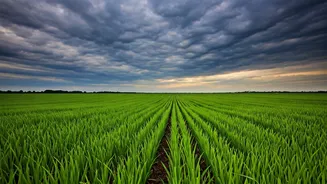
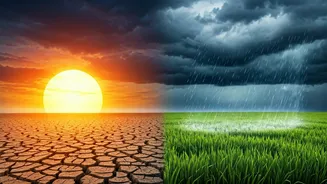
India's agriculture is deeply intertwined with its weather, particularly the annual monsoon. A significant portion of the country's farmland is rain-fed, making it highly vulnerable to changes in rainfall. When rains are timely and adequate, it generally
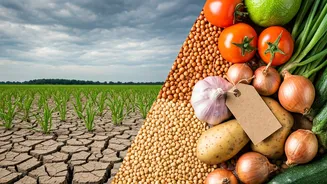
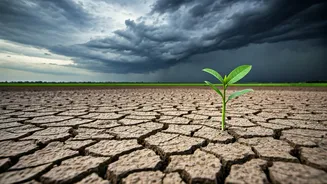
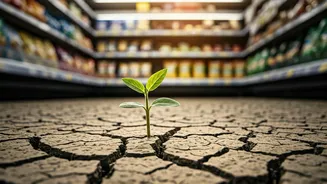
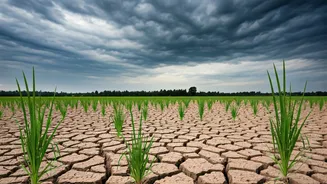
leads to bountiful harvests and stable prices. However, erratic weather—too much rain, too little, or rain at the wrong time—can devastate crops. Excessive rainfall can lead to waterlogged fields, which damages standing crops and prevents proper root growth and nutrient uptake. Conversely, deficient rainfall or drought conditions can stunt growth and drastically reduce yields. For instance, heavy rains in key growing regions have been known to cause significant damage to tomato and onion crops, while a weak monsoon threatens staples like pulses and oilseeds.
The Supply Chain Under Strain
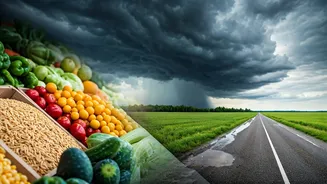
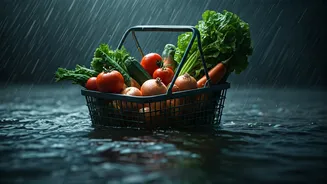
The journey from farm to market is a fragile one, and rainfall extremes put immense pressure on the entire supply chain. Heavy downpours and floods don't just damage crops in the field; they also wash away rural roads and disrupt transportation, making it difficult for produce to even reach wholesale markets or mandis. When it does, produce that has been exposed to excess moisture during transit is more likely to rot, leading to significant post-harvest losses. These disruptions create a bottleneck, reducing the amount of fresh produce available in cities and towns. This scarcity is a primary driver of price volatility. Even with a good harvest, if the logistics of getting it to consumers are compromised by weather, the market will react with higher prices.
The Price at the Market
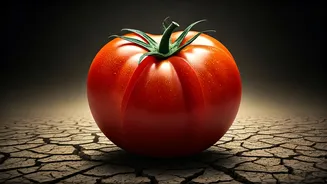
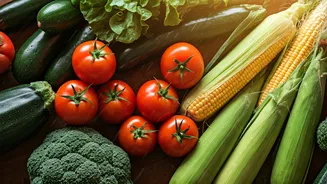
Ultimately, the consumer bears the cost of these weather-induced disruptions. When supply tightens, wholesale prices surge, a cost that is quickly passed down to the retail level. Staples like tomatoes, onions, and potatoes, which are highly sensitive to weather shocks, often see the most dramatic price swings. A poor harvest in a major producing state can have a ripple effect across the country. For example, unseasonal rains in Maharashtra can lead to a spike in onion prices in Delhi, while heavy rainfall in Karnataka can send tomato prices soaring nationwide. Studies by the Reserve Bank of India have shown a direct correlation, finding that rainfall changes alone can significantly increase vegetable inflation. These price shocks contribute heavily to overall food inflation, impacting household budgets across India.
Seeking Stability in a Changing Climate
Addressing this volatility requires a multi-pronged approach. In the short term, the government sometimes takes steps like releasing buffer stocks or curbing exports to stabilize domestic prices. However, for perishables like most vegetables, these measures have limited effectiveness. Long-term solutions are crucial, especially as climate change is expected to make weather patterns even more erratic. Experts point to the need for greater investment in climate-resilient infrastructure, such as improved cold storage and refrigerated transport, to reduce spoilage. Additionally, promoting climate-resilient farming practices, like using drought-resistant seeds, better water management, and providing farmers with improved crop insurance and weather advisories, is essential. Building a more robust and adaptable food system is key to weathering future storms.