

Why Calcium Matters More Than You Think
Calcium is famous for its role in building and maintaining strong bones and teeth, where about 99% of it is stored. But its job doesn't stop there. This vital mineral is crucial for the healthy functioning of your nerves, muscles, and heart. If your muscles don't
get enough calcium, they can cramp, hurt, or feel weak. Getting enough throughout life is a key strategy to help prevent osteoporosis, a condition that makes bones brittle and prone to fractures in later years.
How Much Do You Actually Need?
According to the Indian Council of Medical Research (ICMR), the recommended dietary allowance (RDA) for adults is around 1,000 mg per day. However, studies show that the average calcium intake in India is often much lower, sometimes falling between 400 to 500 mg daily. This significant gap between recommendation and reality is a major reason why many people are concerned about their bone health. Requirements can also be higher for adolescents and older adults, particularly postmenopausal women.
The Unbeatable Dairy Aisle
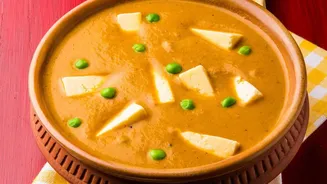
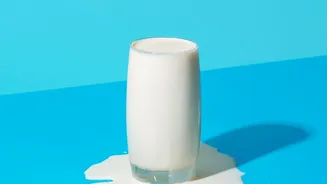
Dairy products remain one of the most reliable and easily absorbed sources of calcium. A single glass of cow's milk (around 240 ml) provides approximately 300 mg of calcium. A 100g serving of paneer can contain a massive 480-490 mg, making it one of the most calcium-dense foods in an Indian diet. Curd (dahi) is another excellent source, with a bowl providing around 300 mg of calcium along with beneficial probiotics for gut health. These foods form a strong foundation for meeting your daily needs.
The Plant-Based Powerhouse: Ragi
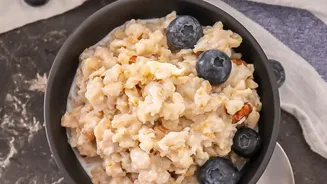
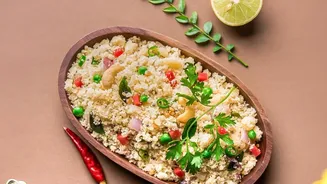
Among all grains, ragi (finger millet) is the undisputed calcium champion. It contains approximately 344 mg of calcium per 100 grams, which is nearly three times the amount found in the same quantity of milk. This traditional Indian superfood can be easily incorporated into your diet through rotis, dosas, or porridge. Its high calcium content makes it an invaluable food for everyone, especially for those who are lactose intolerant or follow a vegan diet.
Leafy Greens and Vegetables
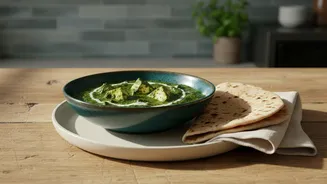
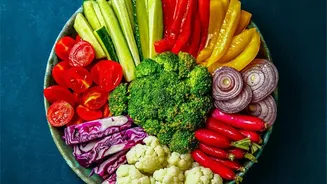
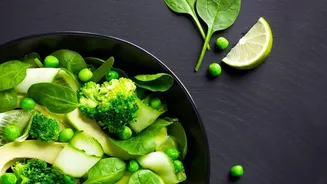
Many green vegetables are packed with calcium. Drumstick leaves (moringa) are a standout, with one katori (about 100g) of cooked leaves providing a remarkable 440 mg of calcium. Other great options include amaranth leaves (chaulai), fenugreek leaves (methi), and mustard greens (sarson). However, be mindful of spinach. While it contains calcium, it is also high in oxalates, which can bind to the mineral and significantly reduce its absorption by the body to as low as 5%.
Don't Forget Seeds, Legumes, and Soy
Tiny seeds pack a mighty punch. Unhulled sesame seeds (til) are calcium giants, with 100g containing over 900 mg. Just a tablespoon can add a significant boost to your meal. Legumes like rajma (kidney beans) and chickpeas (chana) are also good contributors, with a cup of cooked rajma offering around 143 mg per 100g. For those on a plant-based diet, soy products are fantastic. Calcium-set tofu can provide around 350 mg per 100g, and fortified soy milk is another excellent option.
Absorption is Key: The Role of Vitamin D
Consuming calcium-rich foods is only half the battle; your body needs to be able to absorb it. This is where Vitamin D plays a critical role, as it is essential for calcium absorption in the gut. A widespread Vitamin D deficiency in India means that even with a calcium-rich diet, absorption might be poor. Spending some time in the sunlight daily can help your body produce Vitamin D. Some dietary components, like phytic acid in whole grains and tannins in tea, can hinder calcium absorption, so it's wise to avoid drinking tea immediately with a calcium-rich meal.
So, When Are Supplements Necessary?
A 'food-first' approach is almost always preferred. However, supplements may be necessary for individuals who cannot meet their needs through diet alone. This can include people with diagnosed deficiencies, those with medical conditions that impair nutrient absorption, strict vegans who may struggle to get enough variety, or older adults at high risk for osteoporosis. The golden rule is to never self-prescribe. Always consult a doctor who can assess your diet, lifestyle, and risk factors before recommending a supplement.