






Why Harsh Chemicals Are The Enemy
Before we dive into how to clean your treasures, it's crucial to understand what not to do. Commercial jewellery cleaners and common household chemicals like bleach, chlorine, ammonia, and even rubbing alcohol are far too aggressive for plated and costume
pieces. Gold-plating involves a very thin layer of gold bonded to a base metal, such as copper or brass. Harsh chemicals can easily strip this delicate layer away, exposing the metal underneath and causing irreversible damage and discolouration. For artificial jewellery, the risks are just as high. These pieces often contain a mix of metals, plastics, glass, and adhesives. Abrasive cleaners and potent chemicals can corrode the metals, dull the finish on synthetic stones, and, most commonly, dissolve the glue that holds everything together, causing stones to fall out.
Your Gentle Cleaning Toolkit
The best cleaning arsenal for your delicate pieces is likely already in your home. You don’t need expensive or specialised equipment. Simply gather a few basic items: a small bowl, warm (not hot) water, a mild, fragrance-free dish soap, a soft-bristled brush such as a baby’s toothbrush or a clean makeup brush, and a few soft, lint-free cloths, like a microfibre or lens cloth. These simple tools are all you need to safely and effectively remove the daily buildup of oils, lotions, and dust that can dull your jewellery’s shine. Having these ready will make the cleaning process quick, easy, and safe for even your most intricate pieces.
Caring For Gold-Plated Jewellery
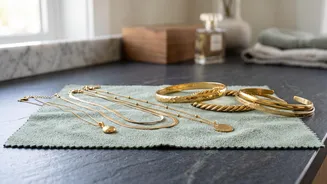
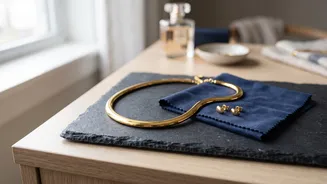
Gold-plated items require a gentle touch to protect their thin surface. Start by using a dry, soft cloth to wipe away any surface dust. Next, fill a bowl with warm water and add just a few drops of mild dish soap to create a light, sudsy solution. Place your jewellery in the water and let it soak for about five to ten minutes. This will help loosen any grime. After soaking, use your soft-bristled brush to gently scrub any crevices or detailed areas. Be careful not to apply too much pressure. Once clean, rinse the item thoroughly under a gentle stream of lukewarm water. The final and most critical step is drying. Pat the piece completely dry with a lint-free cloth, ensuring no moisture is left in hinges, clasps, or stone settings, as lingering water can lead to tarnish.
Cleaning Artificial And Costume Pieces
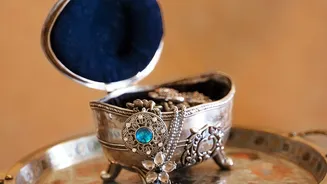
Since costume jewellery is made from a wide array of materials and often uses adhesives, it is best to avoid soaking it entirely. A safer method is spot cleaning. Create the same mild soap and water solution, but instead of submerging the piece, dip a soft cloth or a cotton swab into the solution. Gently wipe down the surfaces of the jewellery, paying special attention to areas that look dull or dirty. For 'rinsing', use a separate cloth dampened with only plain water to wipe away any soap residue. Finally, dry the piece immediately and thoroughly with a dry, soft cloth. This method prevents water from seeping into settings and dissolving the glue that holds stones in place, which is one of the most common ways costume jewellery gets damaged.
Prevention Is The Best Medicine
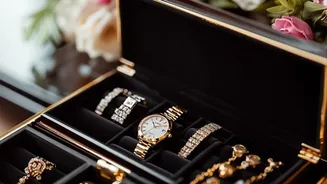
The easiest way to keep your jewellery clean is to protect it from dirt and damage in the first place. Tarnish and buildup are often caused by a reaction to chemicals found in everyday products. As a rule, your jewellery should be the last thing you put on and the first thing you take off. Apply perfumes, hairsprays, lotions, and sunscreens before you wear your pieces, allowing the products to dry completely. Remove your jewellery before you shower, swim, exercise, or do any household cleaning to protect it from moisture and harsh chemicals. When you’re not wearing them, store your pieces in a dry place away from direct sunlight. Keeping items in separate soft pouches or a fabric-lined jewellery box will prevent them from scratching each other and reduce exposure to the open air, slowing down the process of oxidation.