




Assess the Water, Not Your Confidence
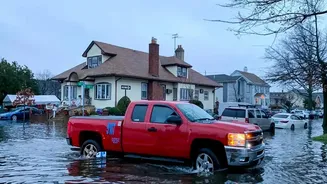
Before you even think about entering a waterlogged stretch, stop and judge the depth. A general rule is if the water is deeper than the bottom of your car's doors or halfway up your tyres, it's too deep. For most sedans and hatchbacks in India, this safe
limit is about six inches (15-20 cm). Trying to power through deeper water is a gamble that can lead to catastrophic engine damage known as hydrostatic lock. Look at how other vehicles are faring or find an alternate route. Sometimes the bravest decision is to turn back.
Perform a Pre-Monsoon Vehicle Health Check
Your car's first line of defence is its condition. Before the rains intensify, ensure key components are in top shape. Pay special attention to your tyres; they need a tread depth of at least 3mm to effectively channel water and prevent aquaplaning. Check your brakes, as stopping distances can double on wet roads. Ensure your wipers are not cracked or hardened from the summer heat and replace them if they leave streaks. Finally, test all your lights—headlights, fog lamps, and indicators—as visibility is drastically reduced in downpours.
Master the Art of Wading
If you've determined the water is shallow enough to cross, your technique matters. Engage a low gear, typically first or second, and maintain a steady, low speed of around 5-10 km/h. It's crucial to keep the engine RPMs high to create exhaust pressure that prevents water from entering the tailpipe. Drive through the centre of the road where the surface is often highest and the water is shallowest. Create a small 'bow wave' in front of your car and follow it through. Avoid sudden acceleration or braking.
The Golden Rule: Never Restart a Stalled Engine
This is the most critical and most expensive mistake a driver can make. If your car stalls in water, do not, under any circumstances, try to restart it. Attempting to crank the engine can force water that may have entered the air intake into the engine's cylinders. This causes hydrostatic lock, which can bend pistons and connecting rods, effectively destroying your engine. The correct response is to switch off the ignition, turn on your hazard lights, and call for roadside assistance to have your vehicle towed.
Beware of Aquaplaning
Aquaplaning, or hydroplaning, occurs when a layer of water builds up between your tyres and the road surface, causing a complete loss of traction. It can feel like the car is floating or gliding. This is more likely to happen at higher speeds or if your tyres are worn. To prevent it, reduce your speed significantly on wet highways and avoid sudden manoeuvres. If it happens, remain calm. Gently ease off the accelerator and keep the steering wheel straight. Do not slam on the brakes, as this can cause a skid.
Post-Flood Aftercare
Once you have safely cleared a waterlogged patch, your work isn't done. Gently tap your brakes a few times to help dry the brake pads and discs, ensuring they function effectively when you next need them. Water and grit can affect braking performance. If you've been through particularly deep water, it is wise to have a mechanic inspect your vehicle later for any water ingress in the differentials, transmission, or wheel bearings, and check for any damage to the underbody or electrical systems.