

Our Sun’s Long-Predicted Finale
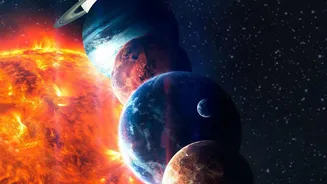
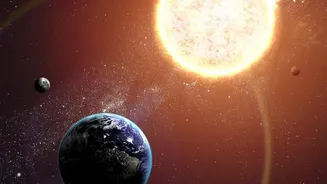
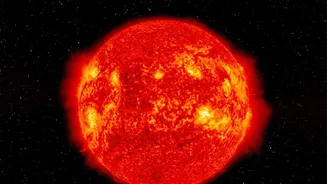
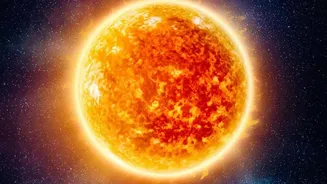
For decades, the forecast for the sun's demise, some five to six billion years from now, has been consistent. After exhausting the hydrogen fuel in its core, our star will swell dramatically, transforming into a red giant. In this phase, its expanding
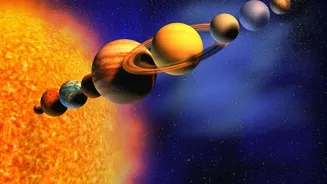
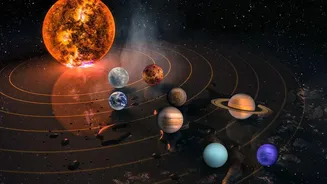
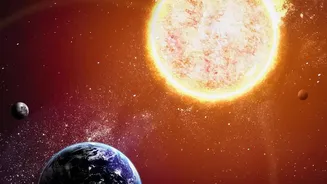
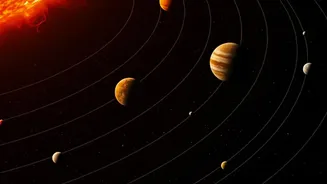
outer layers are expected to consume Mercury, Venus, and very possibly Earth. After this violent expansion, the sun will shed its outer layers and collapse into a white dwarf — a dense, smoldering core left to cool for eternity. In this long-accepted scenario, the gas giants — Jupiter, Saturn, Uranus, and Neptune — were thought to be safe. As the sun loses about half its mass, its gravitational pull would weaken, causing these planets to drift into wider, but stable, orbits where they would remain for potentially hundreds of billions of years.
A New Wrinkle in a Cosmic Timeline
Recent research, however, paints a more turbulent picture for the outer solar system. A study published in The Astrophysical Journal Letters introduces a crucial new variable: the way the sun loses mass. Previous models assumed this process would be smooth and consistent. The new simulations propose that the sun will instead shed its mass in thousands of uneven, violent bursts. These are described as 'stochastic kicks' — massive, asymmetric ejections of material that will push the dying sun around, subtly but significantly altering its gravitational influence on the planets. This doesn't just change the planets' final positions; it introduces an element of chaos into the system billions of years earlier than anticipated.
The Giant Planets' Unsettled Fate
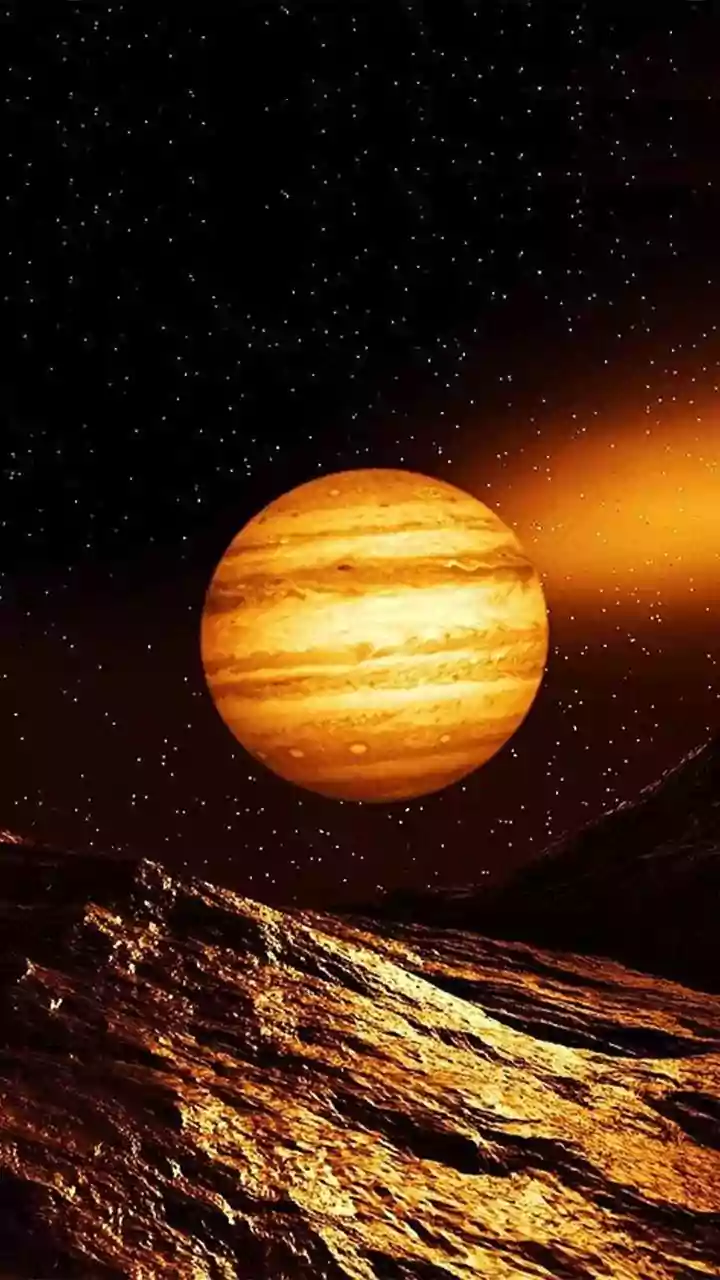
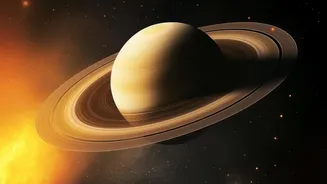
This new model of a sputtering, kicking sun has profound implications for the giant planets. The cumulative effect of these thousands of small gravitational nudges could throw their finely tuned orbits into disarray. Instead of peacefully drifting outward, the simulations show a high probability of 'dynamical instability', where the planets' orbits become erratic and even cross each other. Researchers ran hundreds of computer simulations to model these effects. In a significant portion of the scenarios — around 40% — major disruptions occurred even before the sun had fully transitioned into a white dwarf. The results showed dramatic possibilities, including Saturn being ejected from the solar system entirely, or Uranus and Neptune swapping their orbital positions. This instability could unfold within just a billion years of the sun becoming a white dwarf, a fraction of the 100-billion-year stability window previously estimated.
The Science of a System in Chaos
The mechanism behind this planetary disruption is a cosmic tug-of-war. In our current, stable solar system, the sun’s immense gravity is the dominant force, keeping all planets locked in their predictable paths. But as the red giant sun begins to shed mass unevenly, its gravitational grip flickers. This weakening allows the mutual gravitational pulls between the giant planets themselves — particularly the behemoth Jupiter — to become much more influential. The small, random kicks from the sun's mass ejections act as a catalyst, amplifying these planetary interactions over millions of years. This creates a 'random walk' in the planets' orbits, gradually nudging them from their stable paths until the entire system architecture breaks down. In the most extreme simulations, up to 96% of the planetary systems became unstable, leading to collisions or ejections.