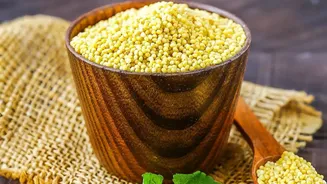







That familiar feeling: you start the day strong, but by 11 a.m., focus fades and sleepiness sets in. This mid-morning slump can derail your productivity. The solution might be an ancient grain making a modern comeback: millets.
The Science of the Slump
The mid-morning energy dip
is often a direct result of your breakfast choices. Meals high in simple carbohydrates and sugars, like sweetened cereals or white bread, cause a rapid spike in your blood sugar. Your body releases insulin to manage this sugar rush, but it often overcorrects, causing your blood sugar to plummet. This crash is what leaves you feeling tired, irritable, and craving more sugary snacks to get another quick energy boost. Even a light or skipped breakfast can lead to low blood sugar, leaving your body without enough fuel to function optimally.
Millets: A Superior Carb for Sustained Energy
Millets, a group of ancient grains including ragi (finger millet), bajra (pearl millet), and jowar (sorghum), offer a powerful solution. They are packed with complex carbohydrates, high-quality plant protein, and, most importantly, dietary fibre. Unlike the simple sugars that cause energy crashes, the complex carbs in millets are digested slowly. This gradual breakdown provides a steady, sustained release of glucose into your bloodstream. This process prevents the dramatic spikes and subsequent crashes, keeping your energy levels stable for hours.
The Low Glycemic Advantage
The key to this sustained energy lies in the low to medium Glycemic Index (GI) of most millets. The GI scale ranks foods based on how quickly they raise blood sugar levels. With a GI generally between 54 and 68, millets are digested and absorbed much more slowly than high-GI foods like white rice (GI around 73). This makes them an excellent choice for maintaining steady energy, managing blood sugar, and keeping you feeling full and focused long after breakfast.
How to Make the Perfect Millet Smoothie
Incorporating millets into a smoothie is simple, but requires a small amount of prep. For the best texture and digestibility, millets should be cooked before blending. You can use either the whole grain or millet flour. To use flour, like ragi flour, simply whisk it with water in a pan and cook over low heat for a few minutes until it forms a smooth paste, then let it cool. If using whole grains, soak them for a few hours, then cook them until soft, similar to how you would cook rice or porridge. You can cook a batch and store it in the fridge for a few days to make your morning routine even faster.
Easy Millet Smoothie Ideas to Get Started
Ready to give it a try? Blend your cooled, cooked millet with your favourite ingredients. Start with about two to three tablespoons of cooked millet or millet paste per serving.
1. Classic Ragi-Banana Smoothie: Blend cooked ragi paste, one ripe banana, a cup of milk (dairy or plant-based), and a few dates for natural sweetness. A pinch of cardamom powder adds a classic Indian flavour.
2. Tropical Foxtail Millet Smoothie: Combine cooked foxtail millet (one of the lowest GI millets) with chunks of mango and pineapple, a splash of coconut water, and a squeeze of lime for a refreshing, energy-boosting drink.
3. Power-Packed Bajra & Berry Smoothie: Mix cooked pearl millet (bajra) with a handful of mixed berries, a spoonful of yogurt or curd, and a few soaked almonds for a smoothie rich in protein, fibre, and antioxidants.