



These ancient superfoods are making a powerful comeback. Packed with nutrients and naturally gluten-free, millets offer a simple, healthy, and delicious way to upgrade your everyday meals without sacrificing the flavours you love.
Why Make the Switch From Refined Grains?
For generations, refined
grains like polished white rice and maida have been staples in Indian kitchens. While convenient, the refining process strips them of essential nutrients, particularly fibre, vitamins, and minerals. This leaves behind mostly starch, which can cause rapid spikes in blood sugar. Millets, on the other hand, are whole grains that retain all their natural goodness. They are nutritional powerhouses, rich in dietary fibre, protein, and essential minerals like iron, calcium, and magnesium. Their lower glycaemic index ensures a slower release of energy, which helps maintain stable blood sugar levels and keeps you feeling full for longer, aiding in weight management. By choosing millets, you are not just eating a different grain; you are choosing a more nourishing and balanced option.
A Starter Guide to Common Millets
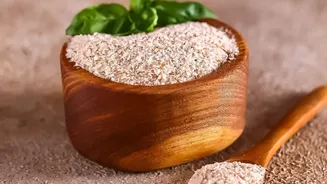
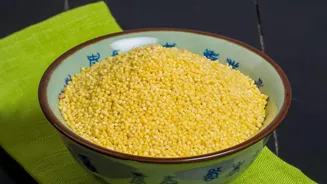
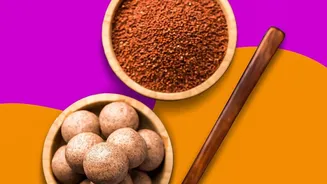
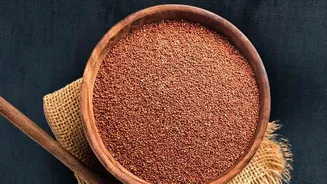
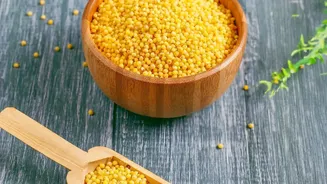
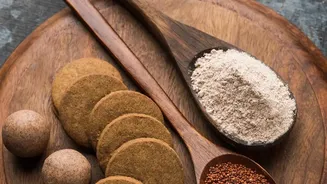
Getting started with millets is easy, as many varieties are readily available. Each has a unique flavour profile and is suited for different dishes. Jowar (Sorghum) is a versatile, gluten-free grain with a mild taste. It is rich in protein and fibre, making it excellent for controlling blood sugar levels. Bajra (Pearl Millet) has a slightly nutty flavour and is packed with iron and protein. Due to its warming properties, it is traditionally preferred in winter. Ragi (Finger Millet) is a nutritional giant, exceptionally rich in calcium and iron, making it fantastic for bone health. Its earthy flavour works well in both savoury and sweet preparations. Foxtail Millet (Kangni) is a light and easy-to-digest grain rich in iron and calcium, often used as a substitute for rice in dishes like upma and pulao.
Easy Swaps for Breakfast and Tiffins
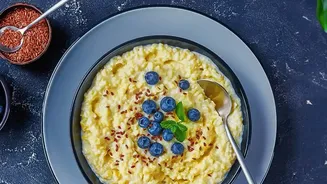
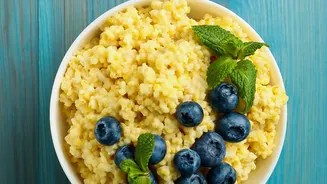
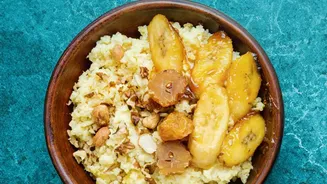
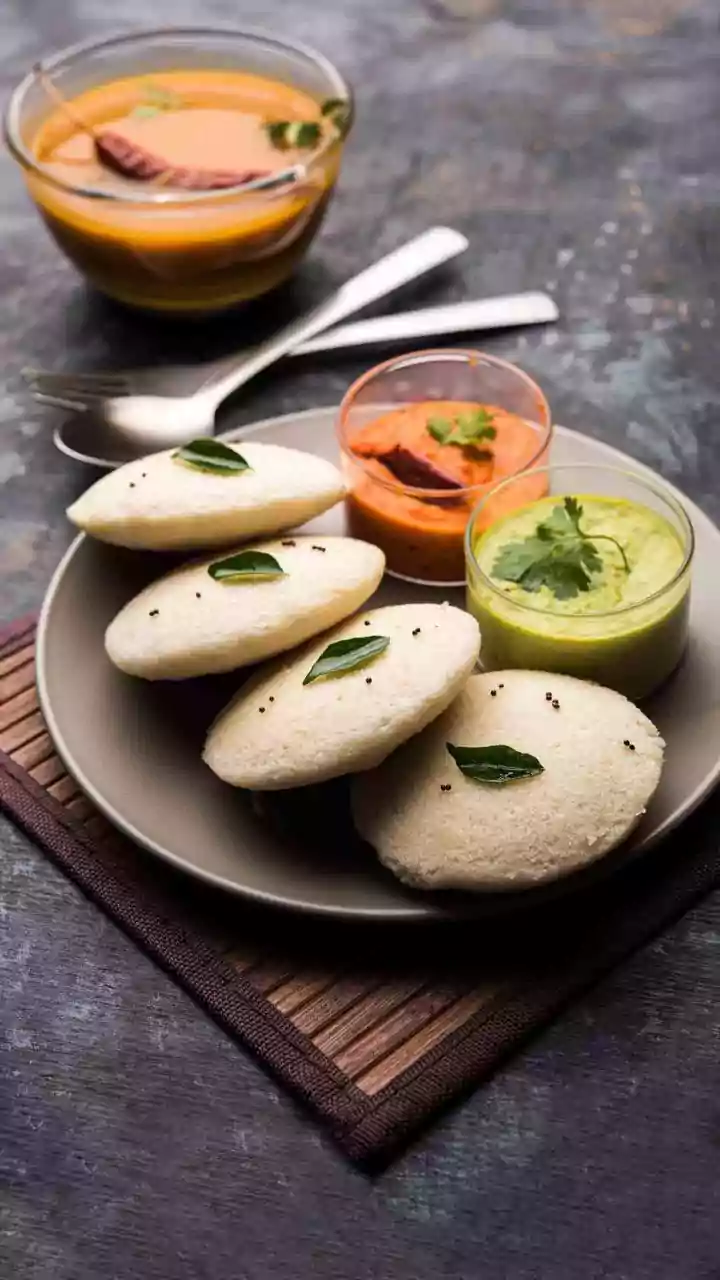
Breakfast is the perfect meal to begin incorporating millets. Instead of a standard semolina upma, try making it with jowar or foxtail millet for a high-fibre start to your day. For dosa and idli, you can revolutionise your batter. Try substituting a portion of the rice with ragi or kodo millet flour. This not only improves the nutritional content but also adds a delicious, earthy flavour. To make ragi dosa, simply combine ragi flour with rice flour and yogurt, let it rest, and cook like a regular dosa. Even porridge can get a healthy makeover. A creamy ragi or foxtail millet porridge sweetened with jaggery is a comforting and nutrient-dense alternative to oats.
Reimagining Your Lunch and Dinner Plate
Integrating millets into your main meals is simpler than you think. One of the easiest swaps is to substitute white rice with cooked millets like foxtail, barnyard, or little millet. They can be cooked just like rice and served with your favourite dal, sambar, or curries. Millet khichdi, made with little millet or bajra instead of rice, is a wholesome one-pot meal that is both comforting and easy to digest. You can also transform your daily rotis. Instead of using only wheat flour, try making rotis from jowar, bajra, or ragi. Jowar rotis are soft and light, while bajra rotis are heartier, perfect for a winter meal. You can start by mixing millet flour with your regular atta and gradually increase the proportion as you get used to the taste and texture.
Essential Tips for Perfect Millet Cooking
To get the best results from millets, a few simple preparation steps can make all the difference. Soaking is crucial. It helps reduce anti-nutrients like phytates, making the minerals more available for absorption and improving digestibility. Soak larger millets like bajra and jowar for 4–6 hours, and smaller ones like foxtail millet for about 30–60 minutes before cooking. A general rule for cooking is to use a 1 : 2 ratio of millet to water for a fluffy, pilaf–style texture. For a creamier, porridge–like consistency, you can increase the water to a 1 : 3 ratio. Always rinse your millets well before use. Once cooked, let them rest for about 5–10 minutes than fluff with a fork to separate the grains.