

Finland often appears online as a perfect winter fairytale. But what is the reality behind the pristine snowscapes and magical experiences? Let's manage some expectations to help you plan a truly unforgettable trip to this Nordic gem.
The Northern Lights: A Celestial Light Show
Expectation: You
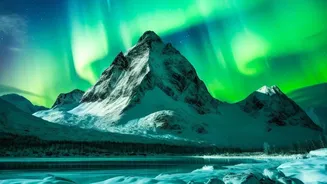
arrive in Lapland and are immediately treated to a vibrant, dancing curtain of green, purple, and red light filling the entire sky, just like in the photos. Reality: The Northern Lights are a natural phenomenon, making them unpredictable and often elusive. The brilliant colours seen in photographs are the result of long-exposure camera settings that are far more sensitive to light than the human eye. To the naked eye, a display might first appear as a faint, almost greyish-white smudge that is easy to mistake for a cloud. While powerful storms with visible, fast-moving green curtains do happen, they are not a nightly guarantee. Seeing them requires three key things: clear skies (no clouds), significant solar activity, and darkness away from city light pollution. Your chances are good, especially between September and March, but patience and a bit of luck are essential parts of the experience.
Santa Claus Village: A Magical Christmas Wonderland
Expectation: You'll step into Santa's authentic, secret woodland hideaway—a wholesome, magical village where elves are earnestly working and Christmas spirit is the main currency. Reality: Santa Claus Village is less of a quaint village and more of an open-air resort and shopping complex built around the theme of Christmas. Entry is free, which is a great start, but nearly every activity inside comes with a significant price tag. You can meet Santa for free, but you are not allowed to take your own photos; purchasing the official photo and video package can be quite expensive. Husky rides, reindeer sleighs, and snowmobile safaris are all offered by separate operators on site. While it can be a genuinely fun and memorable experience, especially for families with young children, it is a highly commercialized attraction. For a more magical visit, consider going in January or February when it's less crowded and prices may be lower.
The Finnish Sauna: A Serene Lakeside Ritual
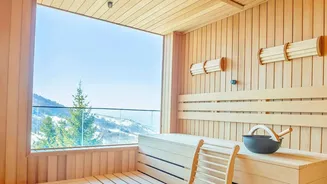
Expectation: A quiet, meditative steam session in a rustic wooden cabin, followed by a brave and refreshing plunge into a frozen lake, just like a local. Reality: The sauna is a cornerstone of Finnish culture, but the tourist experience can vary. While private saunas offer serenity, public ones in cities can be busy. An authentic Finnish sauna is dimly lit and quiet, focusing on the steam ('löyly') rather than music or fragrances. The ritual involves cycles of heating up and cooling down—either in the air, a shower, or a lake. It is not an endurance contest; you should stay only as long as feels comfortable. Nudity is the norm in traditional, gender-separated saunas, but swimwear is common in mixed-gender public facilities. The experience is deeply relaxing, but it’s wise to understand the etiquette first to fully enjoy this cherished national pastime.
Helsinki’s Design District: An Outdoor Art Gallery
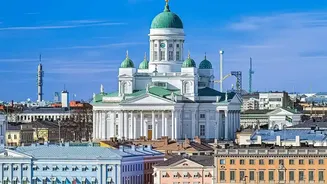
Expectation: A single, condensed neighbourhood where every storefront is a chic design studio or avant-garde gallery, creating a seamless, walkable outdoor museum. Reality: The Helsinki Design District is not a contained zone but a network of nearly 200 member businesses spread across 25 streets and four neighbourhoods. It's a fantastic collection of studios, independent shops, galleries, and cafes, but they are mixed in with regular city life, including apartment buildings and grocery stores. You can't just wander aimlessly and expect to see it all; navigating the area effectively requires a map or a plan to hit the core streets like Uudenmaankatu and Fredrikinkatu. The 'district' designation is more of a branding initiative that unites these creative businesses. The upside is that this makes it feel like a genuine, lived-in part of the city rather than a tourist-only attraction.