






The Old Way of Measuring Protein
For decades, the global standard for protein quality was the Protein Digestibility Corrected Amino Acid Score, or PDCAAS. This method essentially gave foods a score based on their essential amino acid content and overall digestibility. While useful, it had
its limitations. For one, the score was capped at 1.0, which meant that very high-quality proteins were often grouped together, unable to be differentiated. More importantly for plant-based eaters, the PDCAAS measured digestibility in a way that could sometimes overestimate the protein quality of plant foods. This was because it measured protein absorption over the entire digestive tract, which didn't account for interference from gut bacteria or certain 'anti-nutrients' like phytates found in many plant foods.
A More Precise Method Arrives
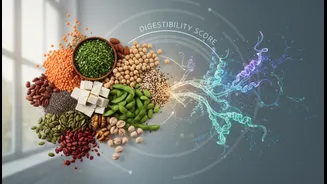
Enter the Digestible Indispensable Amino Acid Score (DIAAS), a newer method recommended by the Food and Agriculture Organization (FAO) to provide a more accurate picture of protein value. The key difference is where the measurement happens. DIAAS assesses the absorption of individual amino acids at the end of the small intestine (the ileum), which is where our bodies absorb most nutrients. This approach gives a truer picture of how much of each essential amino acid our bodies can actually use from a given food. Unlike PDCAAS, the DIAAS score is not capped, allowing for a better ranking of high-quality proteins. This refined method has significant implications for evaluating plant-based protein sources.
How Plant Proteins Stack Up
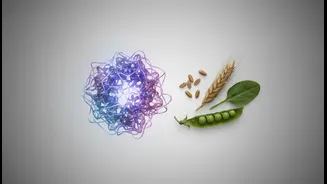
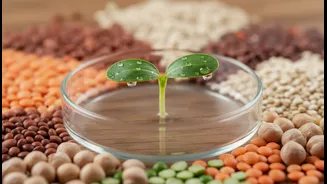
Under the more rigorous DIAAS system, the gap between animal and plant proteins often becomes more apparent. Many plant proteins, which scored reasonably well on the old scale, have lower scores on the new one. For example, soy protein isolate, which has a PDCAAS score of nearly 1.0, has a lower DIAAS score of around 0.90. Cooked chickpeas score around 76, while lentils are around 73-75. This doesn't mean these foods are 'bad' protein sources. It simply means that their protein may be less bioavailable, and they might be lower in one or more essential amino acids, most commonly lysine in grains and sulphur-containing amino acids in legumes. This new understanding highlights that protein quality is just as important as protein quantity.
Rethinking Your Plant-Based Plate
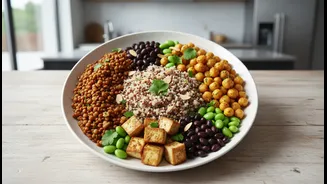
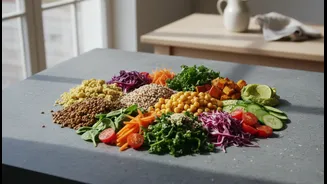
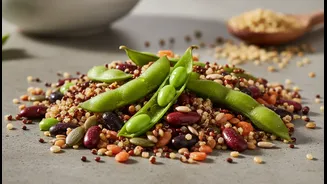
This new scale doesn't mean a well-planned vegan or vegetarian diet is deficient; it just empowers us to be smarter. The key is protein complementarity. This is a concept that Indian cuisine has intuitively practiced for centuries. By combining different plant foods in one meal, you can create a complete amino acid profile. The classic example is pairing legumes with grains, like dal with rice or chana with roti. Legumes are typically low in the amino acid methionine but high in lysine, while grains are the opposite. Eaten together, they provide a full suite of essential amino acids. Studies show that a meal with a balanced legume-to-grain ratio has a much higher protein quality score than one dominated by grains alone.
Practical Tips for Optimal Intake
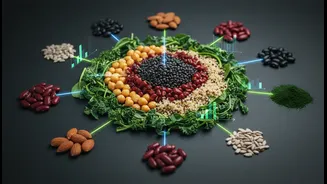
For those on a predominantly plant-based diet, the shift to DIAAS reinforces the importance of variety and strategic pairings. Don't rely on a single source of protein. Instead of just having a potato-based curry, ensure there’s a hearty portion of dal or beans alongside it. Incorporate a mix of legumes, grains, nuts, and seeds throughout your day. For instance, a breakfast of oats with seeds, a lunch of lentil soup with whole-wheat bread, and a dinner of tofu or paneer stir-fry with brown rice creates a diverse amino acid intake. The goal isn't to meticulously track every amino acid but to build balanced meals. Think of it as creating a nutritional synergy on your plate, ensuring your body gets all the building blocks it needs to thrive.