






The Allure of the Open Road
There’s a certain romance to hitting the highway, choosing your own adventure one kilometre at a time. Unlike the rigid schedules of flights and trains, a car gives you control. You can stop to admire a hidden waterfall, take an unplanned detour to a famous
local eatery, or simply spend an extra day in a town you’ve fallen in love with. This freedom is what makes road-tripping the preferred mode of travel for many. It’s a chance to explore the country at your own pace, creating a journey that is uniquely yours. However, this spontaneity is best enjoyed when you’re not constantly worried about the mounting costs of your travel.
Decoding Your Fuel Expenses
Fuel is almost always the single largest expense on any road trip. With petrol prices in major Indian cities often hovering well above ₹100 per litre, this cost can add up faster than you think. Prices also vary from state to state due to different tax structures, so a long journey can see you paying different rates at every refill. To create a realistic budget, start by knowing your car's mileage (kilometres per litre). Then, use a simple formula: divide the total distance of your trip by your car's mileage to figure out how many litres of fuel you'll need. Multiply that by the average fuel price along your route. For example, a 1,000 km trip in a car that gives 15 km/l will require approximately 67 litres of fuel. At an average price of ₹105/litre, that’s over ₹7,000 just for fuel. Planning for this helps avoid nasty surprises.
The Reality of Tolls and FASTag
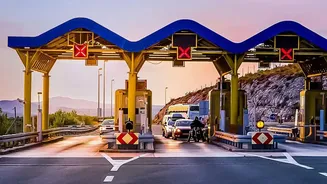
Modern highways have made road travel in India faster and smoother, but they come at a cost—tolls. With the mandatory implementation of FASTag, toll payments are now seamless, but they are also easy to lose track of. FASTag uses RFID technology to automatically deduct toll fees from a linked prepaid account as you drive through a plaza, eliminating the need for cash transactions. While incredibly convenient, these small, frequent deductions can quickly accumulate. A long-distance trip, like one from Delhi to Mumbai, can involve dozens of toll plazas, costing thousands of rupees. Forgetting to factor in these charges can put a significant dent in your travel budget.
Tools and Tricks for Smart Budgeting
Thankfully, technology makes budgeting easier than ever. Several apps and websites, such as Mappls and TollGuru, are designed to help you plan your journey's costs. These tools can calculate your estimated fuel and toll expenses for a specific route, helping you create an accurate budget before you even leave home. You can also take practical steps to save money on the road. Driving sensibly by avoiding aggressive acceleration and hard braking can improve your mileage by a surprising margin. Keeping your tyres properly inflated and removing unnecessary weight from your car can also boost fuel efficiency. When possible, plan your refuelling stops in states or cities where fuel prices are typically lower. Every little bit saved adds to your spending money for the fun parts of the trip.
Beyond Fuel: Other Hidden Costs
While fuel and tolls are the biggest variable costs, they aren't the only ones. Remember to budget for vehicle maintenance before you start, such as an oil change or tyre check. It’s also wise to set aside a small emergency fund for unexpected repairs. Other costs include parking fees, especially in major cities and tourist spots, and potential charges for drivers if you are hiring one. Factoring these into your overall plan ensures you have a comprehensive budget that covers all possibilities, leaving you free to enjoy the journey without financial anxiety.