





The Long Reign of the Protein-Packed Morning
Remember when every fitness influencer and wellness guru swore by a breakfast of egg whites, chicken sausage, or a thick protein shake? For the better part of a decade, high-protein diets like paleo and keto have dominated the health conversation. The
logic was simple and appealing: protein keeps you feeling full for longer, helping to curb mid-morning cravings and support muscle growth. This single-minded focus on protein made it the go-to macronutrient for anyone looking to manage their weight or enhance their gym performance. Foods branded as 'high-protein' flew off the shelves as consumers looked for a quick and easy way to feel satiated and strong. [21, 27] This trend saw a massive surge in sales of protein powders, bars, and naturally protein-rich foods like Greek yoghurt and cottage cheese. [16, 27]
The Fibre Renaissance: A Focus on Gut Health
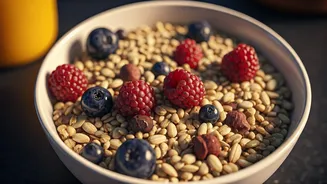
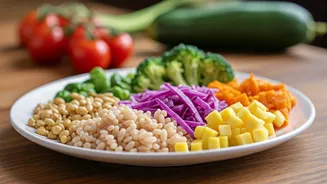
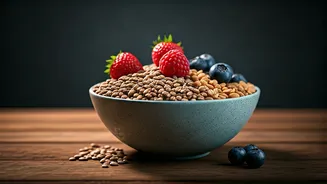
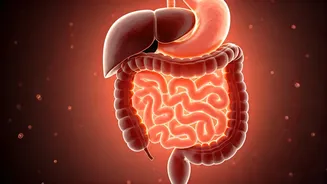
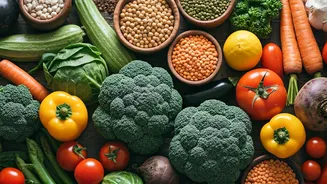
Now, the pendulum is swinging. While protein is still important, there's a growing awareness that a healthy breakfast needs more than just one star player. The new focus is on fibre, a type of carbohydrate found in plant-based foods like fruits, vegetables, whole grains, and legumes. [3, 14] This shift is largely driven by our expanding understanding of the gut microbiome—the trillions of bacteria living in our digestive system. Research increasingly shows that a healthy gut is foundational to overall health, affecting everything from our immune system and mood to our metabolism. And the best way to support a healthy gut? Feed it plenty of fibre. [10, 15] Dietary fibre is the preferred food for our beneficial gut bacteria, which digest it and produce health-boosting compounds like butyrate. [15]
Beyond Fullness: The Benefits of a High-Fibre Start
Starting your day with fibre offers a different, more holistic set of benefits than a protein-only meal. Fibre helps to stabilise blood sugar levels, preventing the dreaded mid-morning energy crash that can follow a meal of simple carbs. [9, 20] By slowing down digestion, soluble fibre—found in foods like oats, apples, and beans—provides a steady release of energy that keeps you powered for hours. [2, 9] Insoluble fibre adds bulk to stool, promoting regular bowel movements and preventing constipation. [9, 17] Furthermore, a high-fibre diet is linked to a lower risk of chronic conditions like heart disease, type 2 diabetes, and certain types of cancer. A recent study found that while a high-protein breakfast was better at suppressing appetite, a high-fibre breakfast led to slightly more weight loss and significantly improved gut microbiome diversity. [10, 13]
What a High-Fibre Indian Breakfast Looks Like
The good news is that incorporating fibre into your morning routine doesn't mean boring bowls of bran. Indian cuisine is naturally rich in delicious, fibre-packed options. Think of a comforting bowl of Masala Oats Upma, which provides around 6 grams of fibre. [4] A plate of Poha loaded with vegetables like peas and carrots, plus a handful of peanuts, can deliver a solid 5 grams of fibre. [4] Other fantastic options include Ragi Dosa, Moong Dal Cheela, or even whole wheat parathas stuffed with vegetables like spinach (palak) or fenugreek (methi). [5, 8] These meals are not only flavourful but also incredibly satisfying and gentle on the digestive system. Even classics like Idli can be made with fibre-rich brown rice or millets for an extra nutritional boost. [5, 8]
The Power of Partnership: Why You Need Both
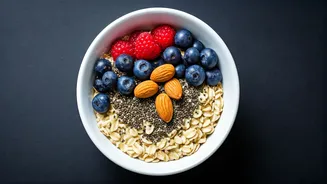
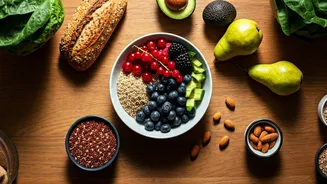
The smartest approach to breakfast isn't choosing fibre *instead* of protein, but embracing the powerful synergy between the two. [12, 14] Experts agree that a combination is the ideal way to start your day. [14] Protein provides the building blocks for your body and promotes satiety, while fibre feeds your gut, stabilises your energy, and keeps your digestive system running smoothly. Together, they create a breakfast that keeps you full, energised, and nourished from the inside out. You can easily combine them by topping your oatmeal with nuts and seeds, adding a scoop of Greek yoghurt to a fruit smoothie, enjoying a besan cheela (which is naturally high in both), or having a side of sprouted moong salad with your poha. [5, 22] This balanced approach ensures you get the immediate benefit of feeling full and the long-term advantage of a thriving gut.