






First, What Is Biological Age?
We all have a chronological age—the number of candles on our birthday cake. But scientists are increasingly interested in 'biological age', which is a more accurate measure of how well your body is functioning at a cellular level. Think of it this way:
two people who are both 50 years old can have very different health profiles. One might be fit and full of energy, while the other may already face chronic health issues. This difference can be described by biological age. It reflects the wear and tear on our cells and organs over time, influenced by genetics, lifestyle, and environment. A lower biological age compared to your chronological age is a good sign, suggesting your body is aging at a slower, healthier pace.
The Yoghurt, Walking, and Ageing Trial
A recent clinical trial in Japan looked at this exact idea. Researchers took a group of overweight men aged 50 to 74 and for 12 weeks, had them follow a simple program: eat 100 grams of plain, probiotic yoghurt daily, follow basic healthy eating advice, and walk for 30 minutes at least three times a week. The results were fascinating. Using a specific DNA-based tool called DunedinPACE to measure the speed of aging, they found the group following the program showed a statistically significant reduction in their pace of aging—by about 2.2%—compared to a control group who made no changes. Interestingly, this improvement was not just due to weight loss, suggesting the combination of habits had a deeper effect.
Why Yoghurt? The Power of Probiotics
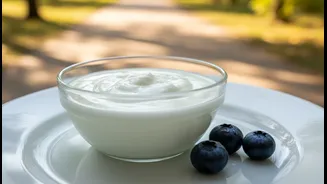
Yoghurt, especially the plain kind known as dahi in India, is a powerhouse of nutrition. It is particularly valued for its probiotics—the good bacteria that support a healthy gut. A balanced gut microbiome is linked to everything from better digestion and a stronger immune system to reduced inflammation. Research suggests that as we age, the balance of our gut bacteria can be disrupted. Consuming probiotic-rich foods like yoghurt can help restore this balance, which may be one of the key reasons it contributes to healthier aging. In the Japanese study, the specific probiotic strain Bifidobacterium longum BB536 was used, but many yoghurts contain beneficial live cultures.
Why Walking? More Than Just Steps
Walking is perhaps the most accessible form of exercise, and its benefits are profound. Regular brisk walking strengthens your heart, improves circulation, helps manage weight, and strengthens muscles and bones. But its anti-aging effects may go down to the cellular level. Studies have shown that a faster walking pace is linked with longer telomeres—the protective caps on our chromosomes that shorten as we age. Think of them like the plastic tips on shoelaces that prevent fraying. By helping to preserve telomere length and improve mitochondrial function (the energy factories in our cells), a simple daily walk can be a powerful tool against cellular aging.
The Takeaway: Small Habits, Big Impact
While the Japanese study was small and the researchers note that the benefits come from the combination of diet, exercise, and yoghurt, the message is empowering. It suggests that you don't necessarily need extreme diets or gruelling workout regimens to positively influence your health and the rate at which you age. The study found a measurable change in just 12 weeks from very manageable habits. The combination of improving gut health with probiotics and boosting cardiovascular and cellular health with moderate exercise appears to create a synergistic effect. It’s a powerful reminder that simple, consistent choices can compound over time to support a longer, healthier life.