




The Problem with the Finish Line
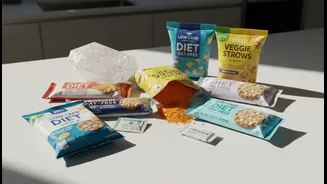
Short-term diet challenges often frame healthy eating as a temporary struggle to be endured. This “all-or-nothing” mentality can set you up for failure. Psychologically, when we label foods as "off-limits" for a set period, it can increase cravings and
create a sense of deprivation. Once the challenge ends, there's a high risk of rebounding to old habits, sometimes with more intensity than before. The focus becomes surviving the diet rather than building a new, enjoyable way of eating. This cycle can be detrimental, as your body may interpret severe calorie restriction as a threat, slowing your metabolism to conserve energy, which makes sustained weight management more difficult.
The Power of a Plant-Rich Routine
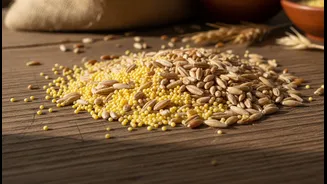
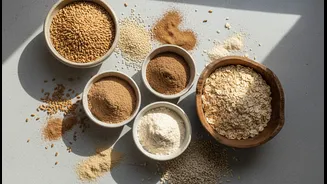
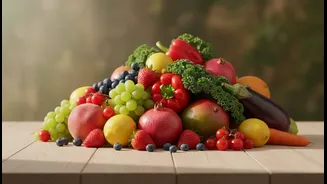
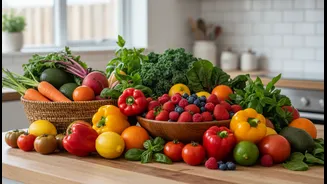
A plant-rich diet, which emphasizes vegetables, fruits, whole grains, and legumes, isn't about restriction; it's about abundance. Studies consistently show that this approach is linked to significant long-term health benefits, including a lower risk of heart disease, type 2 diabetes, and certain cancers. These diets are high in fiber, vitamins, and antioxidants, which support a healthy gut microbiome, reduce inflammation, and can aid in weight management. Unlike a challenge, a routine focuses on making small, sustainable additions. This gradual approach allows your palate and digestive system to adjust, making the transition feel natural rather than overwhelming.
Start Small, Build Momentum
The key to making a plant-rich diet stick is to start with manageable changes. Instead of overhauling your entire kitchen, try incorporating one or two new habits. You could start with “Meatless Mondays,” add an extra serving of vegetables to your lunch and dinner, or swap cow's milk for a plant-based alternative in your morning coffee. Another effective strategy is to focus on adding more plant foods rather than just eliminating animal products. By filling your plate with more vegetables, beans, and whole grains, you naturally have less room for less nutritious options. The goal is progress, not perfection.
How to Build Your Plant-Rich Plate
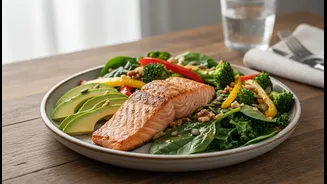
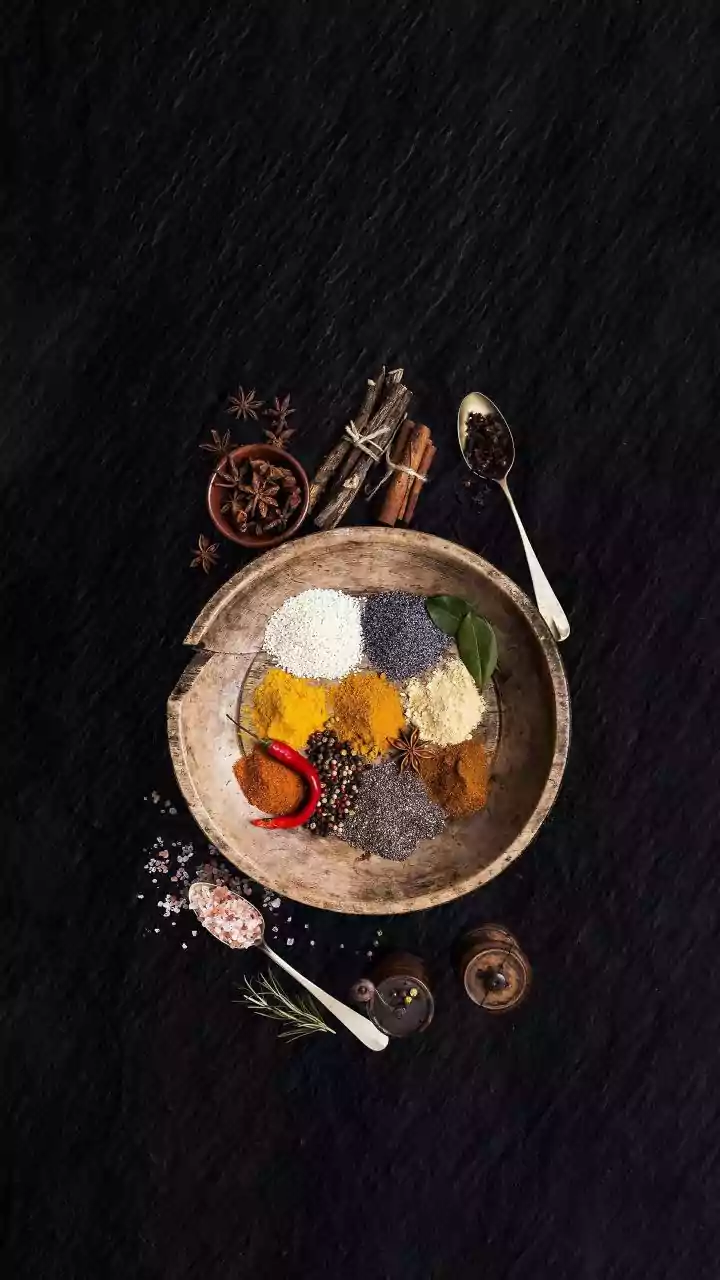
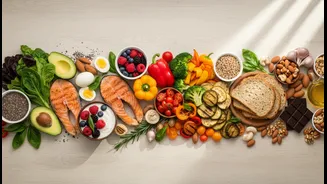
Creating balanced, plant-forward meals is simpler than you might think. A good model is to fill half your plate with non-starchy vegetables like leafy greens, broccoli, and peppers. One quarter should be a source of plant-based protein, such as lentils, chickpeas, tofu, or quinoa. The final quarter can be a whole grain or starchy vegetable, like brown rice, oats, or sweet potato. Don't forget healthy fats from sources like avocado, nuts, and seeds. To keep things interesting, experiment with herbs and spices, which add flavour without extra calories and often provide their own health benefits.
Redefining Success
Moving away from the challenge mindset requires a new definition of success. Instead of focusing on a number on the scale or a 30-day finish line, pay attention to how you feel. Are you more energetic? Is your digestion better? Are you enjoying the new foods you're trying? Building a routine is a journey, and there will be days that don't go as planned. The key is to let go of guilt and simply focus on the next meal. Finding a community, whether online or with friends, can also provide support and inspiration to help you stay motivated for the long haul.