


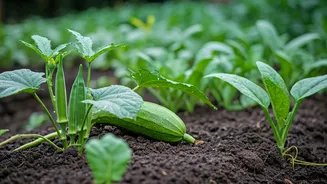
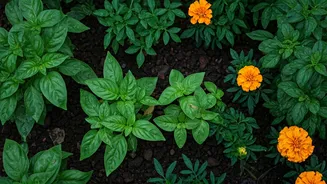


Why Monsoon is Prime Time for Brinjal
The monsoon season provides a nurturing environment for brinjal, or baingan, a staple in Indian kitchens. This warm-weather crop thrives in the humidity and benefits from the consistent natural watering, reducing your workload. The cooler temperatures,
compared to the harsh summer, prevent the plants from getting stressed. For home gardeners, this means healthier plants and a more bountiful yield. Brinjal seeds germinate well in the moist soil, and saplings establish strong roots quickly. The season aligns perfectly with the plant's natural growing cycle, making it an ideal time for both beginners and experienced gardeners to cultivate this versatile vegetable.
Choosing Your Colourful Varieties
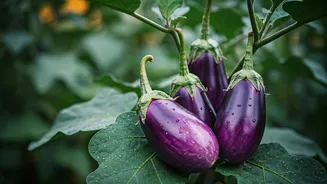
The headline isn't just a metaphor; brinjals come in a stunning array of colours and shapes that can liven up any garden space. Look beyond the common dark purple variety. Consider these options: * **Pusa Purple Long:** A classic, high-yielding variety with long, slender, glossy purple fruits. * **Manjari Gota:** Small, round, green-and-white striped brinjals, perfect for stuffing and making dishes like 'bharli vangi'. * **White Brinjal:** These egg-shaped white varieties have a delicate flavour and creamy texture, adding a unique visual appeal to your garden patch. * **Green Brinjal:** Often less bitter than their purple counterparts, green brinjals come in both long and round shapes. By planting a mix of these, your garden becomes a visual treat, and your kitchen gains a wider palette of flavours and textures to experiment with.
Setting Up Your Garden Bed or Pot
Brinjal plants are adaptable and can be grown in containers on a balcony or in raised beds. The key is ensuring proper drainage, which is critical during the heavy rains of the monsoon. If using pots, choose containers that are at least 12-15 inches deep and have several drainage holes. For garden beds, ensure they are slightly elevated to prevent waterlogging. The ideal soil mix should be light, fertile, and well-draining. A good combination is equal parts garden soil, compost or well-rotted cow dung manure, and cocopeat. The cocopeat helps retain moisture without making the soil heavy and compacted. Before planting, make sure your chosen spot receives at least 5-6 hours of direct sunlight daily, as brinjal plants need ample sun to produce fruit.
Planting and Nurturing Your Saplings
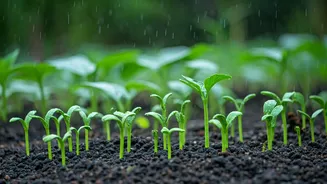
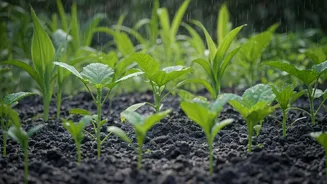
You can start brinjals from seeds or purchase young saplings from a local nursery. If starting from seed, sow them in a seed tray about 4-6 weeks before the monsoon sets in. Once the seedlings have 4-5 true leaves, they are ready to be transplanted into your prepared pots or beds. Plant the saplings in the evening to reduce transplant shock. Water them immediately after planting. During the monsoon, you need to be mindful of watering. Check the soil before you water; if the top inch feels dry, then it's time to water. Overwatering can lead to root rot, a common problem in the humid season.
Monsoon Pest and Disease Care
High humidity makes plants susceptible to fungal diseases and pests. The most notorious pest for brinjal is the Fruit and Shoot Borer, which tunnels into the young shoots and fruits, causing them to wilt and rot. To manage this organically, regularly inspect your plants and remove any affected parts immediately. Spraying a neem oil solution (10 ml of neem oil mixed with a litre of water and a few drops of liquid soap) every 10-15 days acts as a natural repellent. Ensure good air circulation around your plants by spacing them adequately to prevent fungal issues like powdery mildew.
Harvesting Your Home-Grown Baingan
Depending on the variety, your brinjals should be ready for harvest in about 60-80 days after transplanting. The best time to harvest is when the fruits have reached a good size and their skin is glossy and uniformly coloured. If you press the skin gently, it should spring back. A dull skin and soft feel indicate that the fruit is overripe and may have turned seedy and bitter. Use a sharp pair of scissors or a knife to cut the brinjal from the plant, leaving a small part of the stem attached. Regular harvesting encourages the plant to produce more flowers and, consequently, more fruit throughout the season.