






What Exactly Is a Tool Library?
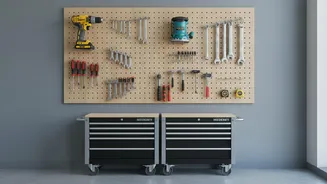
Think of a regular library, but instead of borrowing books, residents borrow tools. A tool library is a shared collection of equipment that members of a community can access as needed. Instead of every household owning a separate drill, hammer, ladder,
or high-pressure washer, the community collectively owns or manages a pool of these items. This simple concept is part of a larger global trend known as the 'Library of Things', where communities share everything from kitchen appliances to camping gear. In the dense urban landscape of India, where apartment living is the norm, this idea is finding fertile ground within housing societies and Resident Welfare Associations (RWAs). It moves away from a model of individual ownership towards one of shared access, which is the core of the burgeoning sharing economy.
The Triple Win: Cost, Clutter, and Climate
The most immediate benefit for residents is financial. Buying tools, especially power tools that are used infrequently, can be expensive. A tool library eliminates this cost, making DIY projects and home repairs more affordable for everyone. Secondly, in modern apartments where space is at a premium, storing bulky tools is a significant challenge. A shared library frees up valuable storage space in individual homes. The third, and perhaps most crucial, benefit is environmental. The model of 'borrow, don't buy' directly combats hyper-consumerism. By sharing a single set of high-quality tools among many households, societies drastically reduce overall consumption, manufacturing demand, and eventual waste. This promotes a circular economy, ensuring tools are used to their maximum lifespan instead of gathering dust.
More Than Drills and Saws: Building Social Bonds
While the practical benefits are clear, the social impact of a tool library is often its most transformative aspect. In the anonymity of city life, a tool library becomes a natural hub for interaction. When neighbours meet to borrow a tool, it sparks conversations that might not otherwise happen. This simple act can foster a stronger sense of community and trust. Some societies even use the tool library as a launchpad for skill-sharing workshops, where a resident who is good at carpentry can teach others basic repairs. These interactions help turn a collection of apartments into a genuine neighbourhood, where people know each other, help each other out, and feel a greater sense of belonging and collective ownership over their shared spaces.
Making it Work: Logistics and Management
The success of a tool library hinges on good management. Typically, a housing society committee or a group of volunteer residents takes the lead. The first step is finding a secure, accessible location—a spare room in the clubhouse, a locked basement area, or even a large cabinet can work. Initial inventory often comes from residents donating their duplicate or rarely used tools. For more expensive items, the society might use a portion of its maintenance funds. To manage borrowing, societies use a range of systems. Some rely on a simple physical logbook and an honour system. Others use shared Google Sheets or dedicated WhatsApp groups. Increasingly, tech-savvy societies are using specialized inventory management apps that allow residents to see what's available, reserve items, and get reminders for returns, all from their smartphones.
How to Start One in Your Community
Interested in bringing this idea to your housing society? Start by talking to your neighbours and the RWA to gauge interest. Conduct a simple survey to see what tools people would be most likely to borrow. Create an initial wish list and call for tool donations. Identify a secure space and decide on a management system—start simple and adapt as you go. Establish clear rules for borrowing, including loan periods, late fees (if any), and guidelines for returning tools in good condition. Most importantly, document and share success stories within the community to build momentum and encourage more people to participate.