



The New Corner Office Amenity
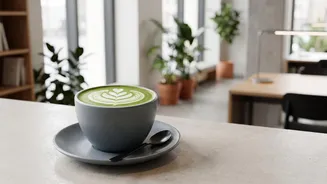
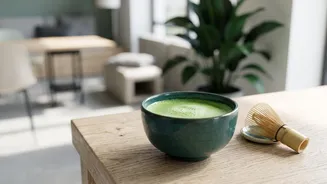
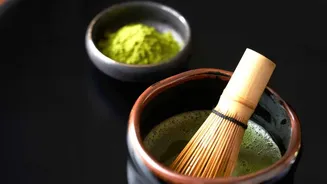
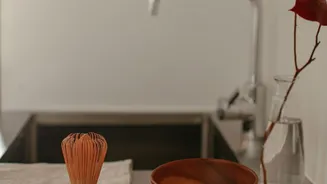
Step inside one of the newer, boutique co-working spaces in Bengaluru or Mumbai, and you might notice the familiar hiss of a coffee machine is now accompanied by the quiet, deliberate whisking of a bamboo 'chasen'. These hubs, catering to startups, freelancers,
and corporate satellite teams, are moving beyond just providing a desk and Wi-Fi. They are curating an experience, and the latest addition to this curated life is ceremonial matcha. This isn't your standard green tea bag. It’s a vibrant, powdered green tea with deep roots in Japanese tradition, now being positioned as a tool for modern productivity and mindfulness. Companies are using it as a differentiator, a way to signal a commitment to employee wellbeing that goes beyond superficial perks. It represents a shift from a purely functional workspace to one that actively supports the mental and emotional health of its members.
What Makes Matcha 'Ceremonial'?
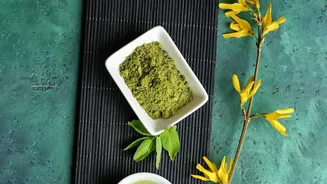
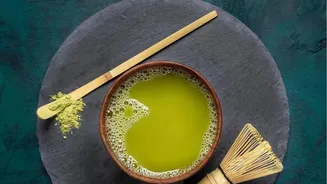
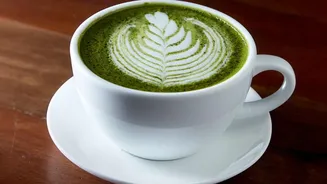
The term 'ceremonial grade' signifies the highest quality of matcha, made from the youngest, most tender tea leaves that are stone-ground into a fine powder. Unlike other teas, where leaves are steeped and discarded, with matcha you consume the entire leaf, resulting in a much higher concentration of nutrients and antioxidants. The 'ceremonial' aspect also refers to the mindful ritual of its preparation, which is a key part of its appeal. The process of sifting the powder, adding hot water, and whisking it into a frothy beverage is intended to be a meditative act—a moment of pause and intention in an otherwise frantic workday. This focus on ritual is what separates it from a quick caffeine fix, offering a moment of grounding for professionals juggling deadlines and endless meetings.
The Science of a Calmer Buzz
So, why matcha? The answer lies in its unique chemical composition. While it does contain caffeine, often comparable to a shot of espresso, it also has high levels of an amino acid called L-theanine. This compound is known for promoting a state of 'calm alertness'. L-theanine stimulates alpha brain waves, the same ones associated with a relaxed, meditative state, which counteracts the jittery side effects that many people experience with coffee. The result is a smoother, more sustained energy boost that can last four to six hours, without the dramatic spike and subsequent crash. For professionals needing to maintain high levels of focus and creativity, this promises sustained concentration rather than restless energy.
An Antidote to Hustle Culture
This trend is not happening in a vacuum. It is a direct response to the rising rates of workplace stress and burnout that have become a defining feature of corporate life in India. As the lines between work and life continue to blur, especially in hybrid work models, companies are recognizing that employee wellbeing is a critical business priority. Offering amenities like matcha ceremonies, yoga sessions, or meditation pods is part of a broader strategy to attract and retain top talent. Today's professionals, particularly younger generations, increasingly prioritize psychological safety and work-life balance. A co-working space that provides tools for stress management becomes a more attractive proposition than one that simply crams more desks into a room.
Beyond a Cup of Tea
While ceremonial matcha is a standout example, it is part of a much larger movement toward holistic wellness in the workplace. Co-working operators are integrating a suite of benefits aimed at supporting members' health. These include everything from ergonomically designed furniture and biophilic design principles (incorporating natural elements like plants and light) to on-site fitness classes, mental health workshops, and access to nutritionists. Some spaces are even partnering with specialized services to host guided matcha workshops for corporate teams, turning the beverage into a team-building and wellness activity. This comprehensive approach reframes the office as a place that not only facilitates work but actively enhances wellbeing, a crucial shift in the post-pandemic professional landscape.