







Beyond the Megacities
For decades, the story of Indian international travel was centered on the sprawling metropolises of Mumbai, Delhi, and Bangalore. But that script is being rewritten. The new protagonists are emerging from what India classifies as Tier-2 cities—urban centers
like Jaipur, Lucknow, Indore, and Coimbatore. These are cities with populations that can range from one to five million, boasting rapidly growing economies, improving infrastructure, and a burgeoning middle class with disposable income and global aspirations. Unlike their Tier-1 counterparts, the cost of living is lower, leaving more room for discretionary spending. According to travel industry reports, this segment is now the fastest-growing source of outbound tourism from India, with booking growth from non-metro cities significantly outpacing that of the traditional hubs.
The Airline Effect
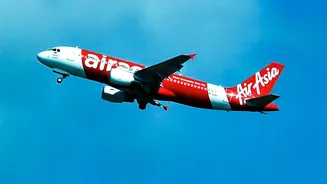
This travel boom isn’t happening in a vacuum; it’s being directly enabled by a transformation in the skies. The critical change has been the aggressive expansion of flight connectivity from these Tier-2 airports. It’s a two-pronged phenomenon. First, Indian low-cost carriers like IndiGo have started ambitious international routes, connecting cities like Lucknow and Ahmedabad directly to destinations in Southeast Asia and the Middle East. Second, and perhaps more significantly, Gulf carriers have turned airports in Dubai, Doha, and Abu Dhabi into powerful one-stop hubs. These airlines offer seamless and, crucially, affordable connections from a growing number of smaller Indian cities to a vast network of destinations in Europe, North America, and beyond. This has slashed both the time and cost barriers that previously kept international travel out of reach for millions, effectively turning a two-day, multi-stop journey into a manageable overnight trip.
New Money, New Destinations
With the world suddenly more accessible, travelers from Tier-2 cities are venturing out with enthusiasm and open wallets. Reports indicate that holiday budgets for Indian travelers have seen a significant surge, and this new cohort is a key driver. Their destinations of choice often start with short-haul trips to nearby hotspots like Thailand, Dubai, and Singapore, where a favorable exchange rate and familiar cultural touchstones provide an easy entry into international travel. However, their ambitions are growing. There's a rising demand for experiential travel, including European tours, cruises, and even unique adventures. This isn’t just about sightseeing; it’s about social currency. In an increasingly digital India, a trip abroad—shared on social media—has become a powerful status symbol, influencing the aspirations and spending habits of millions more.
Why the World Is Watching
For global businesses, this trend is more than just a curiosity; it’s a multi-billion dollar opportunity. India is projected to become one of the world's largest travel markets by the next decade, with international travel spending expected to grow around 10% annually. The travelers from Tier-2 cities represent a vast, untapped consumer base. International tourism boards, hotel chains, luxury brands, and airlines are taking notice, realizing they are no longer marketing to just a sliver of India's elite. They are marketing to a software engineer in Pune, a manufacturing entrepreneur in Surat, and a doctor's family in Kochi. This demographic shift is forcing a rethink of marketing strategies, flight routes, and service offerings to cater to the unique tastes and price points of India’s next wave of global explorers.