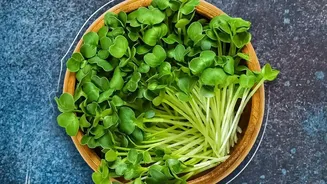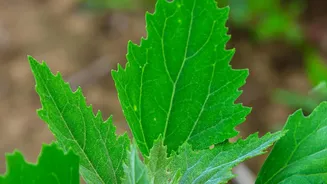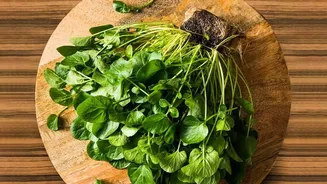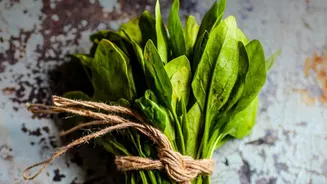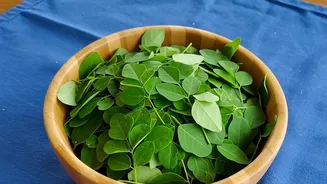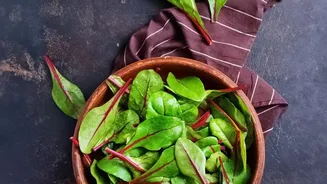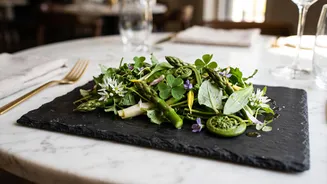





Beyond paneer and chicken tikka, a quiet revolution is taking root in India's fine-dining kitchens. Chefs are turning to the forests and fields of Central India, sourcing wild greens that have nourished tribal communities for generations.
A Return to the Roots
For years, luxury
dining in India often meant imported ingredients like French butter or Japanese citrus. But now, a growing number of chefs are looking inward, exploring the immense biodiversity of the subcontinent. They are finding a treasure trove of flavours in 'raan bhaji' (wild vegetables) that grow freely in regions like Maharashtra and Chhattisgarh. This 'forest-to-table' movement is not just about novelty; it's a conscious effort to create a more authentic, sustainable, and distinctly Indian culinary identity. Chefs are travelling to remote areas, building relationships with foraging communities, and bringing back ingredients that tell a story of the land.
The Keepers of a Fading Knowledge
The knowledge of which plants are edible, how to prepare them, and their medicinal properties has been passed down through generations within tribal communities like the Baiga and Gond in Central India. For these communities, foraging is a way of life that has historically ensured food and nutritional security. However, this traditional knowledge system is at risk due to modernization and changing diets. The newfound interest from high-end restaurants provides a crucial, albeit complex, opportunity. It creates a new income stream for foragers and gives their knowledge a platform, but chefs and restaurateurs face the critical responsibility of ensuring this exchange is ethical and sustainable, giving credit and economic benefits back to the communities.
What's on the Plate?
So, what are these wild greens that are capturing the imagination of top chefs? The list is long and seasonal. During the monsoon, a variety of unique greens appear for a very short window. There's 'shevla' (Dragon Stalk Yam), an earthy, meaty stalk that requires careful preparation to remove its natural irritants. Another is 'phodshi', a delicate, grass-like green prized for its mild flavour and crisp texture, available for just a few weeks a year. Other names making their way onto menus include 'takla', a slightly bitter wild green, and 'kurdu', which are all prepared using traditional wisdom but presented in modern culinary contexts. These greens offer a palette of flavours—from sour and salty to bitter and savoury—that are far more complex than commercially grown spinach or lettuce.
Champions of the Wild
Pioneering chefs have been instrumental in this movement. Chef Thomas Zacharias, through his platform The Locavore, has extensively travelled across India to document and champion these ingredients. By collaborating with foragers and introducing produce like 'shevla' and 'umber' (cluster fig) to urban diners, he has helped bridge the gap between the forest and the fine-dining table. Other chefs, like Niyati Rao of Ekaa in Mumbai and Radhika Khandelwal of Fig & Maple, are also exploring India’s wild pantry, from sea asparagus found on the Maharashtra coast to mahua flowers from Jharkhand. Their work goes beyond just cooking; it involves educating diners and advocating for a food system that values biodiversity and heritage.
More Than Just a Trend
The embrace of foraged greens represents a significant shift in Indian gastronomy. It challenges the notion that luxury has to be imported and instead finds it in the wild, hyperlocal, and seasonal. This movement has the potential to create sustainable livelihoods for marginalised communities, preserve endangered culinary traditions, and promote biodiversity by creating a market for plants that grow naturally without chemical inputs. While the scale is still small, it signals a deeper appreciation for the true roots of Indian food. It's a recognition that the most authentic flavours are often not cultivated in a field, but gathered from the wild, carrying with them the stories of a people and a place.