




More Than Just a Trade Show?
Agri Intex, organised by the Coimbatore District Small Industries Association (CODISSIA), is one of South India's largest and most significant agricultural trade fairs. Held at the expansive CODISSIA Trade Fair Complex, the event, now in its 24th edition,
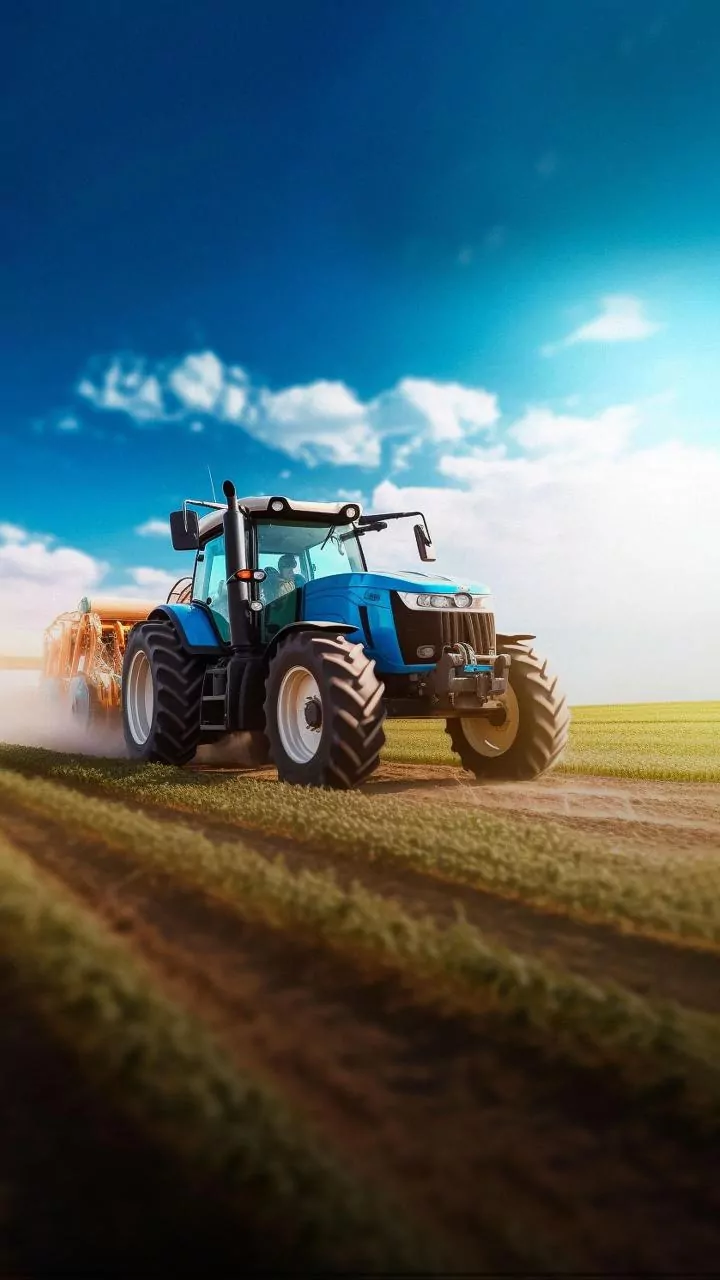
brings together hundreds of exhibitors from across India and abroad. They showcase everything from tractors and irrigation systems to the latest in precision farming and post-harvest technology. Its stated goal is to introduce contemporary agricultural technologies and best practices to the farming community. But for many attendees—farmers, distributors, and entrepreneurs—it's a serious business platform for making purchasing decisions, sourcing new equipment, and forging partnerships, not just a showcase.
The Promise of Automation
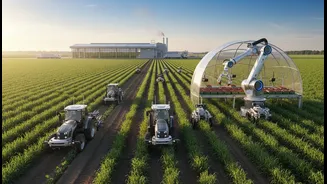
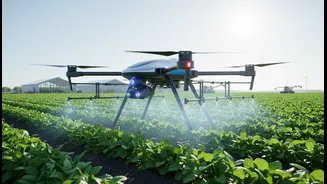
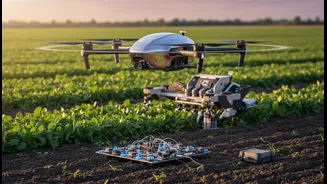
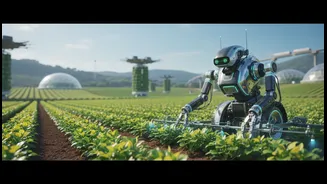
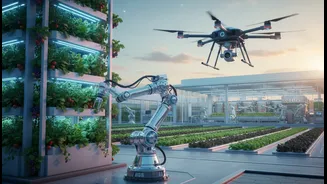
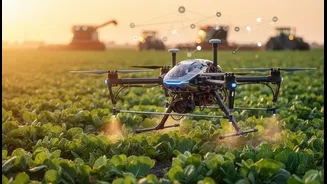
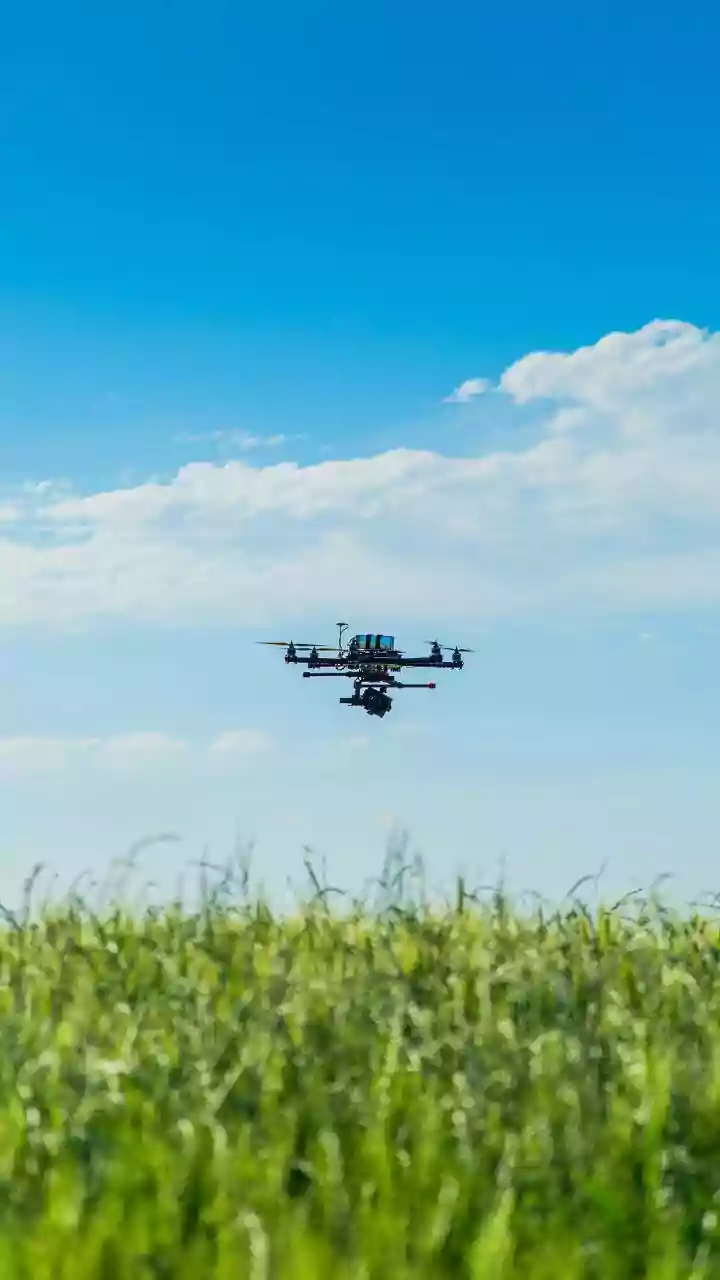
The stars of the show are often the innovations in automation. Visitors can see everything from multipurpose robotic platforms that can spray, weed, and carry loads, to advanced drone sprayers and automated harvesters. The promise is a farm of the future that is more efficient, precise, and productive. Proponents argue that technology can solve critical issues like labour shortages, which are becoming a major pain point for Indian farmers. This tech wave could create new categories of skilled jobs: drone pilots, sensor technicians, data analysts, and machinery operators. With agricultural mechanisation growing annually, and advanced tech like AI and robotics growing even faster, the potential for a new, tech-savvy agricultural workforce seems immense.
The Reality of the Value Chain
However, the path from a flashy demonstration to widespread adoption is fraught with challenges. The high initial cost of automated equipment is a major barrier for India's majority small and marginal farmers. Beyond cost, there are significant hurdles like fragmented land holdings, which are ill-suited to large machinery, and gaps in technical literacy and reliable rural infrastructure like internet and power. Simply showcasing a drone doesn't solve the problem of who will operate it, service it, or make it affordable. Without addressing these foundational issues, even the most promising technology risks remaining a novelty for the few rather than a job-creating engine for the many.
From Showcase to Shop Floor
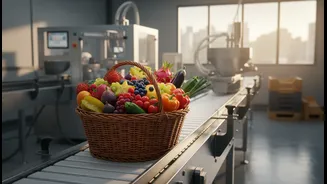
The most realistic path to job creation lies less in farmers individually buying high-tech gear and more in two other areas: manufacturing and services. Coimbatore's strength as a manufacturing hub is a key advantage. The city is home to numerous companies that manufacture agricultural machinery, from threshers and shredders to sortex machines. Agri Intex acts as a vital marketplace, driving demand that supports jobs on the factory floor. Secondly, the rise of the "Farming as a Service" (FaaS) model is crucial. FaaS companies buy the expensive equipment and then offer their services—like drone spraying or mechanised harvesting—to farmers on a pay-per-use basis. This model creates viable, skilled jobs for equipment operators and service teams, making technology accessible without forcing farmers into massive capital investments.
The Coimbatore Connection
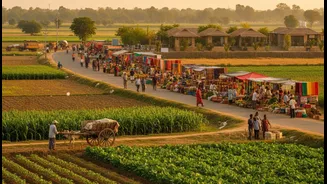
Coimbatore's unique industrial ecosystem makes it the ideal catalyst for this transformation. Known as the 'Manchester of South India' for its textile legacy, the city has a deep-rooted culture of engineering, manufacturing, and entrepreneurship. This industrial base, represented by CODISSIA, provides the skilled labour and production capacity needed to build the machines showcased at Agri Intex. This direct link between the showcase and the shop floor means that a surge of interest in a new type of weeder or shredder at the fair can translate more directly into orders, production runs, and employment for local manufacturing units. This synergy between the agricultural hinterland and the industrial city is what gives Agri Intex the potential to be more than just hype.