



A Search for Spontaneity and Freedom
The biggest driver behind this trend is a desire for flexibility and control. Unlike the fixed schedules of flights and trains, a road trip allows for spontaneous detours, unscheduled stops, and the freedom to explore at one's own pace. For Gen Z and millennials,
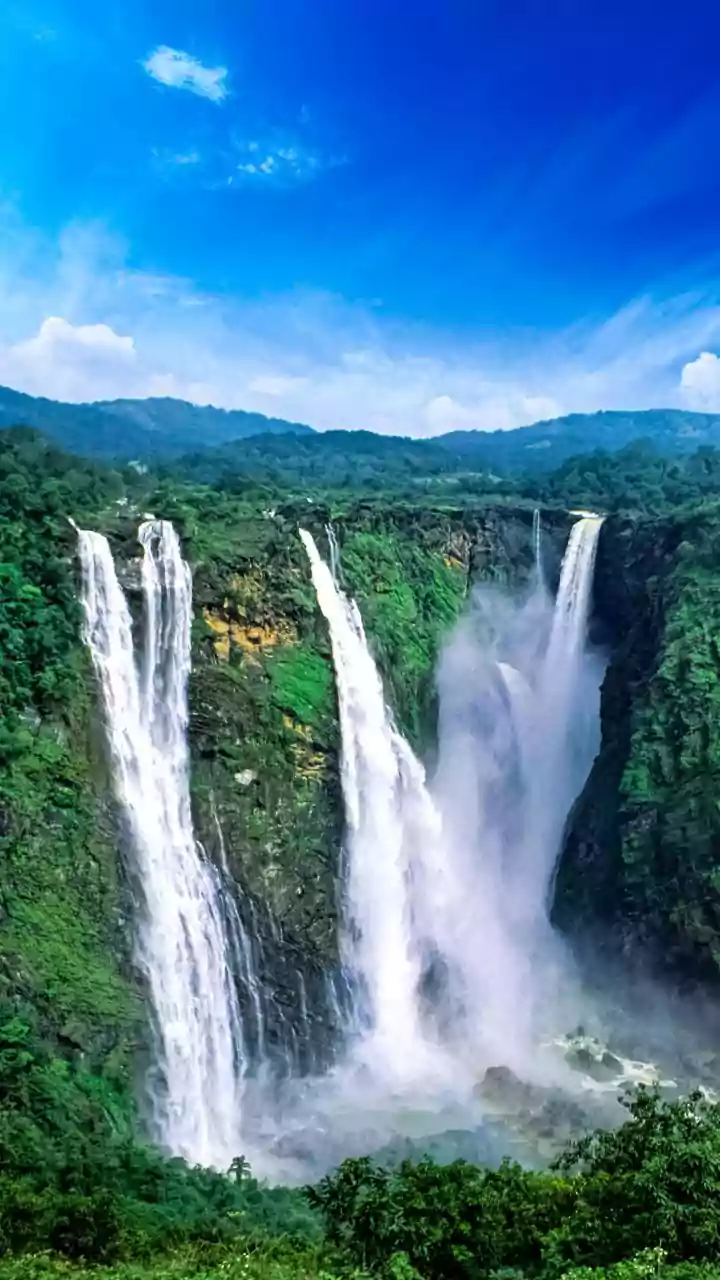
who value experiences over itineraries, this autonomy is a powerful draw. The ability to discover a hidden waterfall, linger longer at a scenic viewpoint, or change plans on a whim is a luxury that other forms of travel cannot offer. This generation is moving away from traditional package tours in favour of solo trips or journeys with small groups of friends, where the journey itself becomes the destination.
The Rise of the 'Workation' and Weekend Escapes
The pandemic normalised remote and flexible work arrangements, giving birth to the “workation” trend. Young professionals are increasingly blending work with leisure, and road trips are perfectly suited for this lifestyle. They can escape the city for a few days, work from a scenic homestay, and explore the surrounding area after logging off. This has also fuelled a boom in short getaways. Data shows a significant increase in trips lasting under two days, with long weekends seeing sharp spikes in road travel as people seek quick, refreshing breaks from routine and workplace burnout.
Better Highways and Growing Infrastructure
Driving in India has become significantly easier and faster. Over the past decade, the country's national highway network has expanded by over 60%, with a focus on wider, better-quality roads and access-controlled expressways. This massive infrastructure upgrade has drastically reduced travel times between cities and made previously hard-to-reach destinations more accessible. The journey from Delhi to Dehradun or Mumbai to Pune, for example, is smoother and faster than ever, encouraging more people to choose their car over other transport modes. This improved connectivity is especially noticeable in Tier-2 and Tier-3 cities, opening up new corridors for tourism and exploration.
Technology as the Ultimate Co-Pilot
Digital tools have taken the uncertainty out of road-tripping. GPS navigation apps like Google Maps provide real-time traffic updates and route suggestions, while platforms like Instagram and YouTube serve as powerful sources of inspiration for discovering 'Instagrammable' and offbeat destinations. Social media influencers play a huge role, with their travel vlogs and posts showcasing remote locations and creating a desire to explore. Furthermore, the ease of booking homestays, guesthouses, and boutique hotels through online apps allows for on-the-go planning, reinforcing the sense of freedom and spontaneity that young travellers crave.
The Simple Economics of Hitting the Road
While not always the primary factor, cost-effectiveness is a significant advantage. With rising airfares, driving can be a more budget-friendly option, especially for small groups who can split fuel and toll costs. The growth of the self-drive car rental market, expected to be worth ₹5,000 crore in 2026, also reflects this trend. Young people, particularly in urban areas, are increasingly choosing access over ownership, renting SUVs or larger cars for group trips. This allows them to enjoy the benefits of a road trip without the long-term financial commitment of owning a vehicle, making exploration more accessible.