




The Science of Sad, Leftover Rice
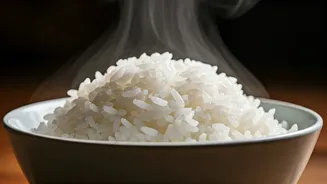
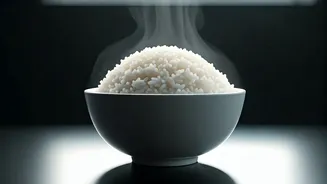
That transformation from soft and fluffy to hard and crumbly isn’t just about drying out. It’s a scientific process called starch retrogradation. When you cook rice, the starch granules absorb water and swell up, making the rice soft. As it cools down,
especially in the refrigerator, these starch molecules begin to recrystallize and squeeze out the water that was trapped between them. This re-forming of crystal structures is what makes the rice grains hard and gives them a dry, unappetizing texture. The process happens most rapidly at refrigerator temperatures, which is why day-old rice from the fridge is often the toughest.
The Magic Water Method: Stovetop
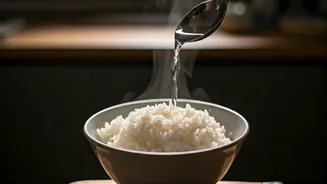
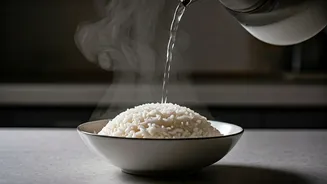
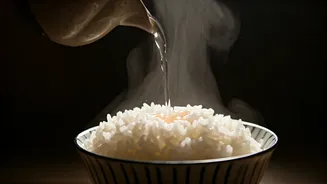
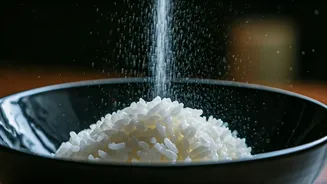
The most effective way to reverse starch retrogradation and make rice taste freshly cooked is by reintroducing moisture with gentle heat. The stovetop method provides the best control and yields incredibly fluffy results. Simply add your leftover rice to a pot or saucepan with a tight-fitting lid. For every cup of rice, sprinkle about one to two tablespoons of water or broth over the top. Cover the pot and heat it on low for about five minutes. The key is to let the steam do the work, gently rehydrating and warming the grains without turning them mushy. Stir occasionally to break up clumps and ensure even heating.
The Quick Fix: Microwave Method
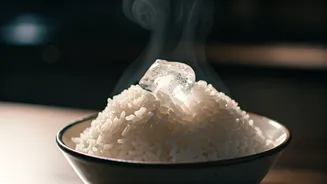
If you're short on time, the microwave can also work wonders, provided you follow the same principle of adding moisture. Place the cold rice in a microwave-safe bowl. Add about one to two tablespoons of water per cup of rice and break up any large clumps. Cover the bowl with a damp paper towel or a microwave-safe lid. This traps the steam, which is essential for softening the rice. Heat the rice in short intervals, perhaps for one minute at a time, fluffing with a fork in between to ensure it heats evenly and doesn't develop hot spots. Avoid microwaving for too long on high power, as this can dry the rice out further.
Why This Beats Other Methods
You might be tempted to just zap a bowl of rice in the microwave uncovered, but this often results in rice that is unevenly heated, with some parts scorching dry while others remain cold and hard. Adding water and covering the container are the two crucial steps to create a steamy environment that gently rehydrates every grain. The water turns to steam, which penetrates the recrystallized starches, breaking them apart and restoring the rice to a soft, plump state. Simply reheating without added moisture only dries out the rice further, amplifying the problem you're trying to solve.
A Crucial Note on Food Safety
While reviving leftover rice is easy, proper storage is critical for safety. Uncooked rice can contain spores of a bacterium called Bacillus cereus, which can survive the cooking process. If cooked rice is left at room temperature for too long (in the 'danger zone' between 5°C and 60°C), these spores can multiply and produce toxins that cause food poisoning, sometimes called 'reheated rice syndrome'. These toxins are heat-resistant, meaning reheating won't eliminate the risk if the rice was stored improperly. To stay safe, cool leftover rice quickly—within an hour—by spreading it in a shallow container and refrigerate it promptly. Always try to consume leftover rice within a day and never reheat it more than once.