



The Great Millet Revival
Not long ago, millets like jowar, bajra, and ragi were often seen as traditional grains, sometimes overshadowed by wheat and rice. Today, they are making a powerful comeback. This revival is driven by a renewed appreciation for their immense health benefits;
they are rich in fibre, protein, and essential minerals, and have a low glycemic index, which is beneficial for managing blood sugar. Government initiatives and a growing consumer focus on sustainable, homegrown nutrition have also played a huge role. As a result, millets are no longer confined to traditional rotis but are now found in everything from breakfast cereals and dosa mixes to cookies and snacks, making them a versatile staple once more.
The Global Grain Takeover: Quinoa and Oats
Walk down any supermarket aisle, and you'll see prominent displays of quinoa and oats. These global grains have successfully integrated into the Indian diet, especially in urban homes. Their popularity is rooted in health-consciousness. Quinoa is celebrated for being a complete protein, containing all nine essential amino acids, while being gluten-free. Oats have become a breakfast favourite, replacing sugary cereals due to their high fibre content, which promotes satiety and heart health. Initially considered niche, their consistent marketing as 'superfoods' and increased availability have made them accessible additions for health-focused consumers looking for quick, nutritious meal options.
Plant-Based Everything: From Milks to Meats
While India has a long and rich tradition of vegetarianism, the modern plant-based movement is a new chapter. This trend goes beyond paneer and dal to include almond milk in coffee, soy-based snacks, and plant-powered mock meats. The drivers are multifaceted: growing awareness of the environmental impact of animal agriculture, ethical concerns, and a focus on health. Consumers are increasingly interested in protein-rich diets, and plant-based products offer convenient solutions. The market for these alternatives is expanding rapidly, with both homegrown startups and established brands innovating to deliver on taste and texture, making plant-based eating an accessible choice for a growing number of flexitarian and vegan Indians.
Exotic Arrivals: Avocados, Berries, and Broccoli
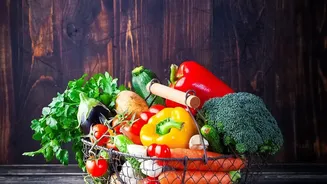
Avocados on toast, smoothie bowls with berries, and stir-fries with broccoli are no longer just images on social media; they are becoming part of the urban Indian food vocabulary. Once considered expensive and exotic, these items are now more common in grocery stores across the country. Their rise is fueled by global food trends and their association with a healthy, modern lifestyle. Avocados, for instance, are prized for their healthy monounsaturated fats. As incomes rise and global supply chains improve, these foods are transitioning from luxury items to accessible splurges for a generation of consumers who are curious, globally connected, and invested in wellness.
Healthy Snacking: Makhana and Greek Yoghurt
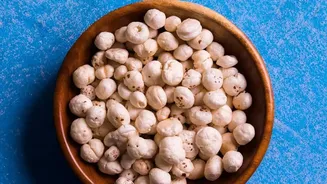
The Indian snack time is also getting a makeover. Instead of reaching for fried namkeen or sugary biscuits, many are opting for healthier alternatives. Makhana (fox nuts), once primarily a food for fasting, has been repositioned as a mainstream crunchy snack, available in various roasted and flavoured avatars. Its appeal lies in its high protein and fibre content. Similarly, Greek yoghurt and other high-protein yoghurts are replacing their sweeter, dessert-like counterparts. This shift reflects a broader consumer demand for snacks that are not just tasty but also functional and nutritious, fitting into a lifestyle where every meal is an opportunity to make a healthier choice.