




1. The Nostalgic Brass Tiffin Box
The tiered brass dabba, or tiffin carrier, is an iconic piece of Indian kitchen history, and its structure is perfect for a multi-level plant display. Each compartment can house a different small plant, creating a vertical garden with immense character.
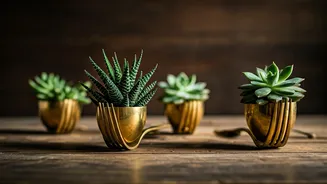
Imagine a stack of succulents, small ferns, or even a mini herb garden with coriander, mint, and basil each getting their own level. To prepare it, simply drill a few small drainage holes in the bottom of each container. You can choose to polish the brass to a brilliant shine for a regal look or leave the natural patina for a more rustic, antique feel. The handle makes it easy to move your creation around to catch the best light.
2. The Humble Aluminium Kettle
An old aluminium or enamel tea kettle has a whimsical shape that makes it an instant conversation starter. Its curved form and distinct spout offer a unique silhouette that contrasts beautifully with soft foliage. This is an ideal vessel for trailing plants like the money plant (pothos), string of pearls, or English ivy, which can cascade gracefully from the main opening. The spout can be left as a decorative element or even used to guide a single tenacious vine. Kettles are generally lightweight, making them suitable for hanging displays. As with all metal planters, ensuring proper drainage is key to keeping your plants healthy, so be sure to drill a few holes in the base before planting.
3. The Sturdy Iron Kadai
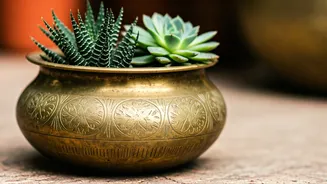
A heavy, well-used iron kadai or wok offers a wide, shallow bowl that is perfect for creating a miniature garden landscape. Its generous surface area allows you to plant a collection of low-maintenance succulents and cacti, arranged with pebbles and sand to mimic a desert scene. Alternatively, you can fill it with a vibrant mix of seasonal flowering plants like pansies or marigolds for a burst of colour. Don't worry about a bit of rust; it adds to the rustic, industrial aesthetic. If you prefer to control it, you can sand the interior and apply a clear, plant-safe sealant. Its weight and stability make it an excellent ground-level feature on a patio, balcony, or in a garden bed.
4. The Ornate Copper Water Pot
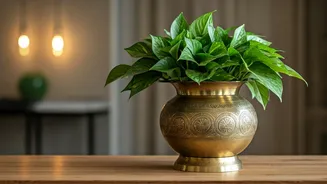
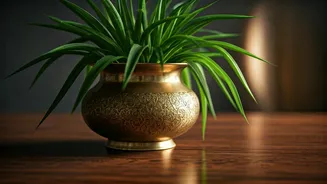
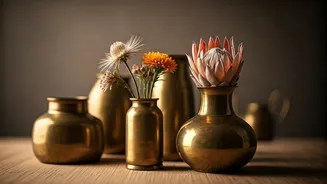
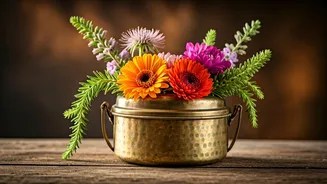
A large copper or brass water pot, traditionally used for storing drinking water, can be repurposed into a magnificent statement planter. These vessels, often featuring intricate engravings and a beautiful, rounded shape, are ideal for housing larger foliage plants like snake plants, small fiddle-leaf figs, or philodendrons. The warm glow of the copper or brass provides a stunning contrast against lush green leaves. Over time, the metal will develop a beautiful greenish-blue patina, adding to its antique charm. Due to their size, these pots make fantastic floor planters for an empty corner of your living room or a grand entrance.
5. The Cheerful Enamelware Collection
Don't overlook smaller enamelware items like mugs, bowls, and small jugs. Often found in bright colours with a few charming chips and scuffs, they are perfect for individual herbs or small flowering plants. A row of enamel mugs on a kitchen windowsill, each holding a different herb like parsley, thyme, or oregano, is both practical and decorative. Their small size also makes them great for gifting. Enamel is relatively easy to drill through for drainage. Grouping several different pieces of varying sizes and colours together can create a cohesive yet eclectic display on a shelf or side table.
A Few Essential Tips
Before you get started, keep a few practicalities in mind. Drainage is non-negotiable for most plants; use a metal-specific drill bit to carefully add a few holes to the bottom of your chosen item. Clean your vintage finds gently with soap and water, but avoid harsh abrasives that could strip away their aged character. If you're concerned about rust or the metal reacting with the soil, you can place a simple plastic pot inside the metal container as a liner. This gives you the vintage look without the direct contact, making it easy to swap plants out.