



The Science of Self-Sufficient Plants
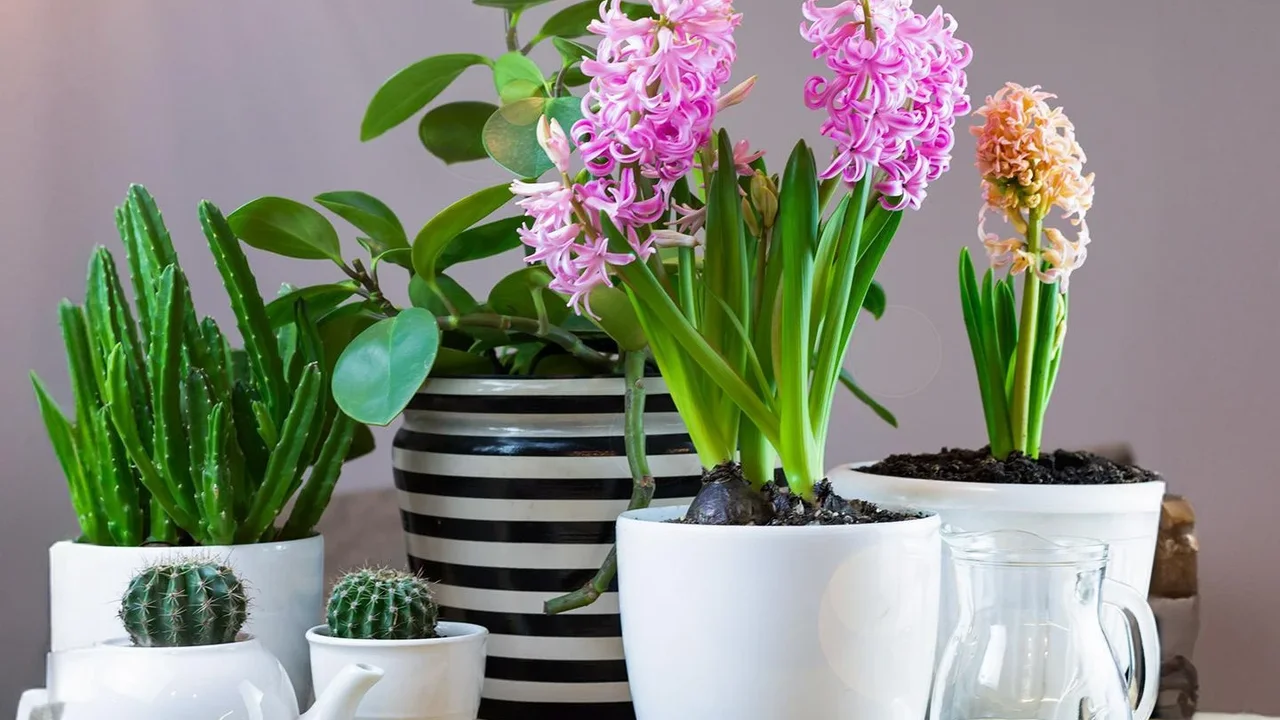
The magic behind 'foolproof' plants lies in their evolutionary adaptations to survive in arid environments. These plants are often called drought-tolerant. Many, like succulents and cacti, have developed fleshy leaves and stems designed to store water
for long periods, acting like a personal reservoir. This is why they don't panic if you forget to water them for a week or two. Additionally, many of these resilient plants feature a thick, waxy coating on their leaves, known as a cuticle. This waxy layer significantly reduces water loss through evaporation, keeping the plant hydrated even in the dry indoor air of an air-conditioned or heated home. Other plants, like the ZZ Plant, have underground rhizomes that also store water, making them incredibly hardy and forgiving of neglect.
The Champions of Low Water
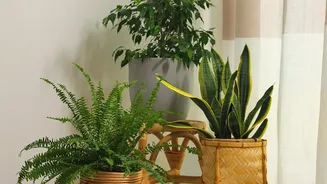
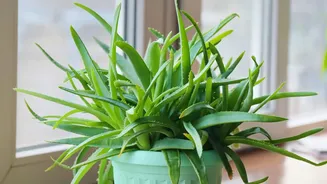
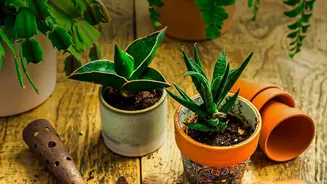
When you think of low-water plants, succulents and cacti are the first that come to mind, and for good reason. The Snake Plant (Dracaena trifasciata), also known as Mother-in-Law's Tongue, is a star performer. Native to West Africa, it's accustomed to dry conditions and tolerates low light, making it perfect for almost any room in an Indian home. Its tall, architectural leaves add a modern touch with almost no effort. Similarly, Aloe Vera is another excellent choice. Not only is it famously low-maintenance, but its water-storing leaves also contain the well-known soothing gel. These plants have evolved to go long stretches without a drink, making them a busy person's best friend.
Leafy Greens That Love Neglect
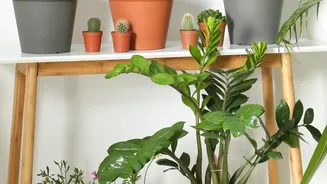
You don't have to stick to succulents to find a forgiving plant. The Zamioculcas zamiifolia, or ZZ Plant, is practically indestructible and the king of neglect-tolerant houseplants. Its glossy, dark green leaves look perpetually healthy even when you've forgotten about it for weeks. The ZZ plant stores water in its potato-like rhizomes underground, allowing it to survive long periods of drought. Another popular choice in India is the Money Plant or Pothos (Epipremnum aureum). This vining plant is incredibly resilient and will even give you a visual cue when it's thirsty by letting its leaves droop slightly—a helpful reminder for beginners. It bounces back quickly once watered and tolerates a wide range of light conditions.
The 'Less Is More' Watering Guide
The most common mistake beginner gardeners make with these plants is overwatering. Remember, their ability to store water means they are more likely to suffer from root rot in soggy soil than from being too dry. The golden rule is to check the soil before you water. Poke your finger about an inch or two into the soil; if it feels completely dry, it's time to water. When you do water, do it thoroughly until water runs out of the drainage holes at the bottom of the pot. Then, discard any excess water from the saucer and let the soil dry out completely before you water again. For most of these plants, this might mean watering only once every two to four weeks, depending on the season and humidity.