
From Mithai Box to Cake Tin
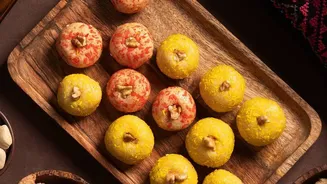
The familiar joy of a syrupy gulab jamun or a creamy rasmalai is a cornerstone of Indian celebrations. But what happens when that gulab jamun finds its way into a cheesecake, or when rasmalai soaks a fluffy sponge cake? This is the delicious reality of India's
burgeoning fusion baking scene, driven by a new generation of home bakers. They are masterfully blending the nostalgic flavours of traditional Indian sweets with the structures and techniques of Western patisserie. The result is a vibrant, new dessert vocabulary, featuring everything from Motichoor Ladoo parfaits to Paan Panna Cotta and even Thandai Mousse. This trend isn't about replacing the classics; it's about celebrating them in an entirely new context, creating edible art that is both familiar and thrillingly novel.
The Classics, Reimagined
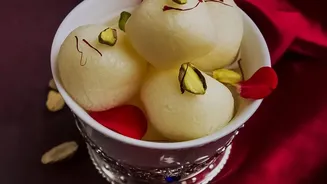
At the forefront of this movement is the undisputed star: the Gulab Jamun Cheesecake. Picture a crunchy biscuit base, a rich and creamy baked or no-bake cheesecake layer, and nestled within, the delightful surprise of a soft, syrup-soaked gulab jamun. It's a dessert that perfectly balances textures and tastes—the slight tang of the cream cheese cutting through the intense sweetness of the jamun. Equally popular is the Rasmalai Cake. This creation often involves a light sponge, flavoured with cardamom and saffron, soaked in the sweet, milky syrup from the rasmalai itself, and then layered with a delicate whipped cream. It’s essentially an Indian take on a tres leches cake, offering a moist, flavourful bite that is pure indulgence. These creations, along with Gajar Halwa crumble tarts and Chai Crème Brûlée, showcase how perfectly Indian flavours can be integrated into global dessert formats.
The Engine of Innovation
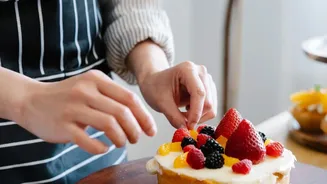
This sweet revolution has been significantly fuelled by the rise of social media and a post-pandemic entrepreneurial spirit. The lockdowns saw a surge in home baking, as many turned their passion into a profession. Visually driven platforms like Instagram became the perfect marketplace, allowing these home bakers to showcase their stunning creations and reach a wide audience without the overheads of a physical store. An exquisitely decorated Rasmalai Tiramisu or a layered Motichoor Rabri Parfait is not just a dessert; it's a highly shareable piece of content. This digital storefront has empowered a wave of entrepreneurs, many of them women, to build successful businesses from their own kitchens. The trend also speaks to a cultural shift, where a generation of young Indians craves the comfort of familiar flavours presented in a modern, global-friendly format.
The Baker's Creative Canvas
For the home bakers at the heart of this trend, the process is a delicate balancing act. It’s a creative challenge to ensure the bold, distinct flavours of mithai—like the floral notes of rosewater, the warmth of cardamom, or the earthiness of saffron—harmonise with, rather than overpower, the components of a cake or tart. Many of these bakers are self-taught, relying on online tutorials, endless experimentation, and a deep-rooted understanding of flavour to develop their signature recipes. The journey involves more than just baking; it requires a flair for food styling, photography, marketing, and customer relations—all managed through a smartphone. These entrepreneurs are not just selling cakes; they are curating experiences, offering custom designs and personalised touches that large commercial bakeries often cannot match, turning every order into a unique celebration.