




Tyres: Your First Line of Defence
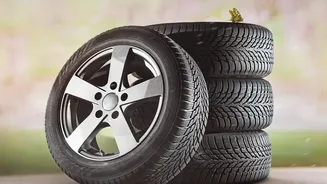
Your tyres are the only part of your car in direct contact with the road, and their importance multiplies on wet surfaces. Worn tyres are a primary cause of skidding and accidents during the monsoon. First, check the tread depth, which is crucial for
channelling water away and maintaining grip. An easy way to do this is with the one-rupee coin test. Insert a one-rupee coin into the grooves of your tyre. If the head of the Ashoka symbol is visible, your tread is too low, and it’s time for a replacement. Most new tyres have tread wear indicator bars moulded into the rubber; if your tread is flush with these bars, the tyre is no longer safe for wet conditions. Next, check for correct tyre pressure. This is best done in the morning when the tyres are cold. The recommended pressure (PSI) is usually on a sticker inside the driver-side door jamb or in your car's manual. Properly inflated tyres ensure even contact with the road, improving stability and braking. Finally, give each tyre a visual inspection for any cracks, cuts, or bulges on the sidewalls, as these can lead to a sudden failure, especially after hitting a hidden pothole.
Wipers: Ensuring a Clear View
Visibility is severely reduced during a downpour, making your windshield wipers a non-negotiable safety feature. Don't wait for the first heavy shower to discover they're not working properly. The harsh Indian summer can cause the rubber on wiper blades to crack, harden, and become brittle. Inspect the blades for any signs of tearing or damage. When you test them, watch for streaking, skipping, or uneven wiping. If they leave your windshield smeared instead of clear, it's time to replace them. This is an inexpensive and quick fix that dramatically improves safety. Also, make sure your windshield washer fluid reservoir is full. Rainwater alone often isn't enough to clean the grime and spray kicked up by other vehicles, and a good quality washer fluid can cut through it effectively. A clear windshield is essential for spotting hazards ahead, especially in low-light rainy conditions.
Brakes: Your Ultimate Safety Net
Wet roads significantly increase your car's braking distance, so an optimal braking system is vital. There are several warning signs you can look and listen for. A high-pitched squealing or squeaking sound when you apply the brakes is often the first indicator that your brake pads are wearing thin. This sound is typically caused by a built-in wear indicator. If you hear a harsher, metallic grinding noise, it means the pads are likely completely worn out, and metal is grinding against metal. This is a serious safety hazard that requires immediate attention. Pay attention to the feel of the brake pedal as well. If it feels soft, spongy, or sinks lower to the floor than usual, it could signal a problem with the brake fluid or a leak in the system. Any vibrations felt through the pedal or steering wheel while braking also point to potential issues like worn pads or warped rotors. Finally, visually check your brake fluid level in the reservoir under the bonnet; it should be between the 'min' and 'max' lines. If it's low or looks dark and murky, it needs to be checked by a professional.