


From Passive Pampering to Active Growth
The old model of wellness was built on quiet introspection and physical pampering. Think massages, facials, and silent meditation. While those still have their place, the new wave of wellness travel is defined by action and engagement. The Global Wellness
Institute notes that travellers are increasingly seeking 'transformative' experiences that challenge them, teach them new skills, or connect them to a place in a deeper way. This isn't about escaping your life anymore; it's about actively building a better one. Instead of just getting a massage, you might learn massage techniques yourself. Instead of a simple guided meditation, you might embark on a multi-day silent trek through the mountains. The goal has shifted from temporary relaxation to lasting personal development.
The Rise of Emotional and Mental Journeys
Perhaps the biggest shift is the focus on mental and emotional health. The pandemic accelerated a global conversation about our inner worlds, and travel is reflecting that. We’re now seeing retreats specifically designed to address life’s biggest challenges. There are ‘divorce retreats’ that provide a space for healing and legal support, ‘grief retreats’ that offer communal mourning and therapeutic workshops, and ‘menopause journeys’ that help women navigate this major life transition with expert guidance. These trips acknowledge that wellness isn’t just about green juice and a flexible body; it’s about resilience, emotional processing, and finding community during difficult times. They offer structured, safe environments to confront feelings rather than just relax them away.
Nature Is the New Luxury Spa
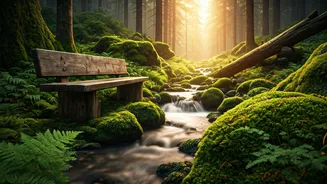
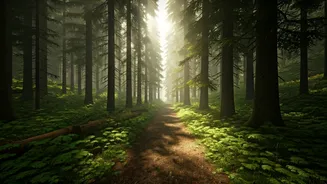
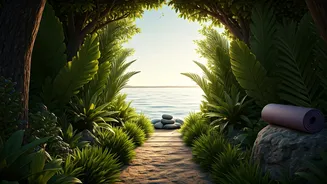
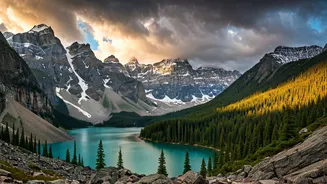
The healing power of nature is no longer just a scenic backdrop for a resort; it’s the main event. This goes far beyond a simple nature walk. The concept of 'rewilding' is gaining traction, with travellers seeking experiences that immerse them completely in the natural world. Think foraging for your own food with an expert guide in the forests of the Western Ghats, learning survival skills in the Himalayas, or participating in conservation projects. The Japanese practice of ‘shinrin-yoku’ or 'forest bathing' has become a global phenomenon, with certified guides leading meditative walks designed to lower stress and improve well-being. The new mantra is that the most luxurious amenity isn't a five-star spa, but uninterrupted time in a wild, beautiful, and restorative environment.
Finding Wellness Through Challenge
Counterintuitively, some of the most popular new wellness trips involve pushing your body to its limits. The idea is that true mental fortitude is forged through physical adversity. This has given rise to a boom in wellness travel that incorporates extreme challenges. Trips might centre around ice-water immersion with experts like Wim Hof, endurance sports like trail running or open-water swimming in stunning locations, or fitness bootcamps that focus on functional strength and resilience. The 'high' from conquering a difficult physical feat provides a powerful and lasting sense of accomplishment that a typical beach holiday can't match. It's wellness through grit, proving to yourself that you are stronger and more capable than you thought.
Connection, Culture, and Creativity
The final piece of the puzzle is connection—to other people, to different cultures, and to your own creativity. The loneliness epidemic has made travellers hungry for genuine human interaction. Wellness travel is answering that call with trips focused on communal activities and skill-building. You can now find retreats where the core activity is learning a traditional craft from local artisans, taking a deep dive into regional cooking, or even working together on a community volunteer project. These experiences foster a sense of purpose and belonging. They remind us that well-being is not a solo pursuit but is deeply intertwined with our connection to the world and the people around us.