



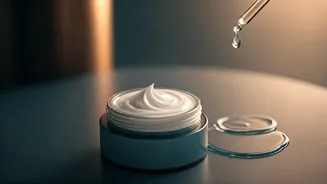




The Myth of the Static Routine
For years, the conventional wisdom has been to find a set of products that work for you and stick with them religiously. But our skin is not a static organ; it's a dynamic system that responds to a host of internal and external factors. Hormonal fluctuations,
stress levels, diet, and even the weather can change your skin's needs from one week to the next. A routine that left your skin glowing in the humid days of summer might leave it feeling tight and dry during a cold winter. Similarly, products that work perfectly most of the month can suddenly seem ineffective or even irritating due to hormonal shifts. Sticking rigidly to one routine means you're ignoring your skin's direct feedback, which can lead to everything from excess oil and breakouts to dryness and a compromised skin barrier.
Introducing: Skin Cycling
One of the most effective ways to introduce flexibility into your routine is through 'skin cycling.' Popularized by dermatologists, this method involves rotating your active ingredients over a four-night schedule to maximize their benefits while minimizing irritation. The classic cycle involves one night for exfoliation, one night for a retinoid, and two nights for recovery. Night one uses a chemical exfoliant (like an AHA or BHA) to slough off dead skin cells. Night two is for a retinoid to promote cell turnover and build collagen. Nights three and four are 'recovery nights,' where you skip the actives and focus entirely on hydrating and repairing your skin barrier with gentle, nourishing moisturizers. This structured approach prevents you from over-exfoliating or overwhelming your skin, which is a common cause of sensitivity and redness.
Seasonal Skincare Swaps
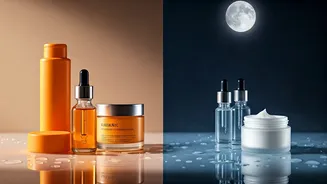
Just as you swap your wardrobe with the seasons, your skincare shelf deserves a similar update. Your skin's needs in the heat and humidity of summer are vastly different from its needs in the cold, dry air of winter. In summer, you might switch to a lightweight gel or foaming cleanser to manage excess oil and sweat, paired with a light, oil-free moisturizer. In winter, however, your skin will thank you for a gentler, cream-based cleanser and a richer, more emollient moisturizer to combat dryness and protect your skin barrier from harsh winds and indoor heating. Sunscreen is a non-negotiable year-round, but you might prefer a more hydrating formula in the winter compared to a mattifying one in the summer. These simple swaps can make a significant difference in keeping your skin balanced and comfortable all year.
Learn to 'Listen' to Your Skin
Ultimately, the goal is to move towards a more intuitive approach to skincare. This doesn't mean changing your products constantly, which can cause its own set of problems. Instead, it means paying attention to the signals your skin is sending. Is your face feeling unusually tight and flaky? Maybe skip the exfoliant tonight and use a hydrating mask instead. Noticing more oiliness than usual? Perhaps it's time to use your lighter moisturizer for a few days. This practice of 'listening' to your skin allows you to become your own best skin expert, making targeted adjustments as needed rather than following a rigid set of rules. Think of your products not as a strict daily prescription, but as a toolkit you can use to address your skin's specific needs on any given day.