






The Long-Standing Pantry Car Problem
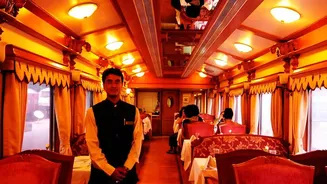
For decades, the pantry car was the only option for a hot meal on a long train journey. However, this monopoly often resulted in a less-than-ideal dining experience. Passengers have long voiced concerns over the quality, hygiene, and taste of pantry car food.
Complaints often point to oily curries, overcooked rice, and a general lack of freshness and variety. With limited menus, often just a standard vegetarian or non-vegetarian thali, the food could become monotonous on multi-day journeys. Reports from parliamentary committees and a high volume of passenger complaints have repeatedly highlighted issues with inconsistent preparation and cleanliness. This created a captive market where travelers felt they were compromising on quality out of necessity rather than making a choice.
Enter the Digital Dining Car
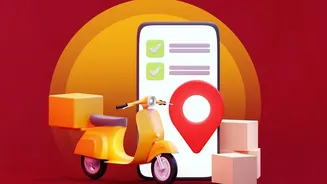
The game changed with the introduction of IRCTC's e-catering policy, which opened the door for technology platforms to bridge the gap between passengers and restaurants. A host of apps, including IRCTC’s official ‘Food on Track’ and private players like RailRestro, Zoop, and RailRecipe, now allow passengers to order food from FSSAI-approved restaurants located at upcoming stations. The process is simple: a passenger enters their PNR number, browses menus from restaurants available along their route, places an order, and has it delivered directly to their seat at a designated station. This move effectively broke the pantry car's monopoly, giving passengers control over what and when they eat.
A World of Choice at Your Fingertips
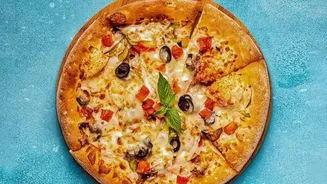
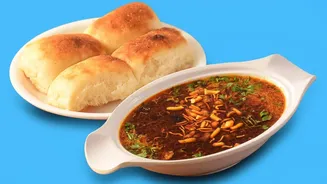
Perhaps the most significant driver of this shift is the sheer variety offered by food apps. Instead of a fixed, limited menu, young travelers can now choose from a wide array of cuisines. Whether it's a pizza from a well-known brand, a regional specialty from a famous local eatery, a healthy salad, or specific dietary meals like Jain food, the options are vast. These apps transform a train journey into a culinary exploration, allowing passengers to taste authentic local dishes from the cities they pass through without ever leaving their coach. This appeals directly to the preferences of a younger, digitally-savvy generation accustomed to the endless choice provided by urban food delivery platforms.
The Assurance of Hygiene and Quality
Hygiene is a major concern that has pushed travelers away from pantry cars. Food delivery apps address this by partnering with FSSAI-licensed restaurants, which are expected to adhere to stricter cleanliness protocols. These platforms often emphasize their partnerships with trusted and popular restaurant brands, giving passengers a sense of quality assurance. The meals are typically cooked to order, freshly prepared just before delivery, and come in secure, tamper-proof packaging, which helps maintain both temperature and hygiene. This focus on fresh, safely-packed food from a restaurant of their own choosing gives travelers, especially those with families, greater peace of mind.
Convenience is the New Standard
For young Indians who manage their lives through smartphones, the convenience of ordering a meal with a few taps is a powerful draw. These apps offer a seamless digital experience, from browsing menus and tracking orders to making payments via UPI or other online methods. The hassle of carrying cash or arguing over prices with pantry staff is eliminated. Furthermore, the meal is delivered directly to the passenger's berth, removing the need to rush out onto a crowded platform during a brief halt. This level of convenience and control aligns perfectly with the expectations of a generation that values efficiency and a frictionless user experience in all aspects of life.