



Redefining the Festive Table
For years, the marker of a lavish festive spread was often imported ingredients, elaborate tableware, and a sense of formal extravagance. Today, however, a growing number of young, urban Indians are challenging that notion. They are spearheading a return
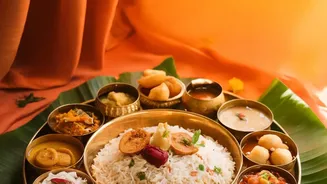
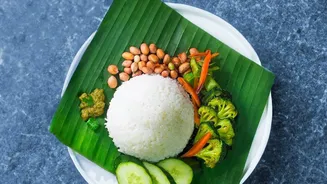
to tradition, where the ultimate luxury is not opulence but authenticity, sustainability, and a connection to local culture. This shift is less about rejecting modernity and more about integrating heritage into a conscious, contemporary lifestyle. Instead of fine china, picture a vibrant meal served on a fresh banana leaf. Instead of generic party fare, imagine a menu celebrating seasonal, organic produce sourced from local farmers. This is the new festive upgrade: thoughtful, eco-friendly, and deeply rooted in Indian traditions.
The Banana Leaf Renaissance
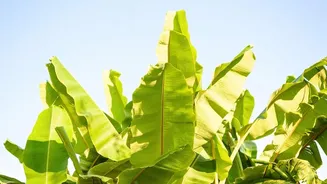
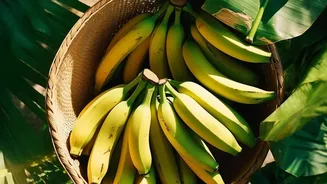
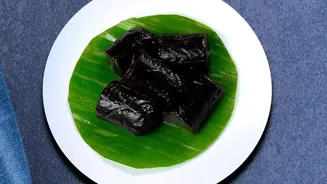
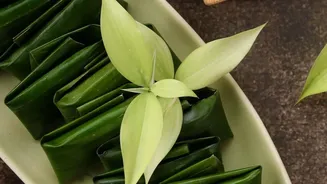
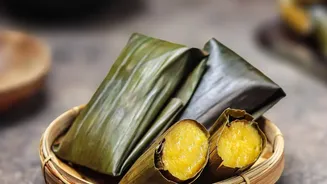
At the heart of this trend is the humble banana leaf, or 'elaai'. Traditionally used in South India for serving meals at weddings and temple feasts, it is now being embraced by young hosts across the country for its unique blend of benefits. Firstly, it’s an eco-friendly champion. In an age of heightened environmental awareness, the banana leaf offers a zero-waste alternative to disposable or even ceramic plates. It is fully biodegradable and can be composted, leaving no trace behind. But its appeal goes beyond sustainability. Serving hot food on a banana leaf is believed to release polyphenols, natural antioxidants that infuse the food with subtle health benefits and a distinct, earthy aroma that enhances the flavour of the dishes. Furthermore, it is considered pure and hygienic in many traditions, making it perfect for auspicious occasions.
Celebrating Regional and Organic Produce
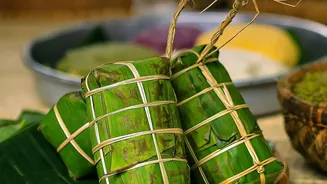
This movement extends from the plate to the ingredients on it. Young hosts are increasingly curating menus that spotlight India’s rich agricultural diversity. There is a growing demand for farm-to-table dining, with a focus on seasonal, local, and organic produce. This conscious choice is driven by several factors. Health and wellness are paramount; consumers are more aware than ever of the impact of pesticides and are seeking out chemical-free options. There is also a desire to support local economies and small farmers, fostering a more sustainable food system. This shift has inspired chefs and home cooks alike to explore regional cuisines and forgotten ingredients, moving away from a standardised party menu towards one that tells a story about a specific place and season. Food festivals and farmers' markets celebrating indigenous produce are gaining popularity, reflecting a broader consumer trend toward authenticity.
A Feast for All Senses
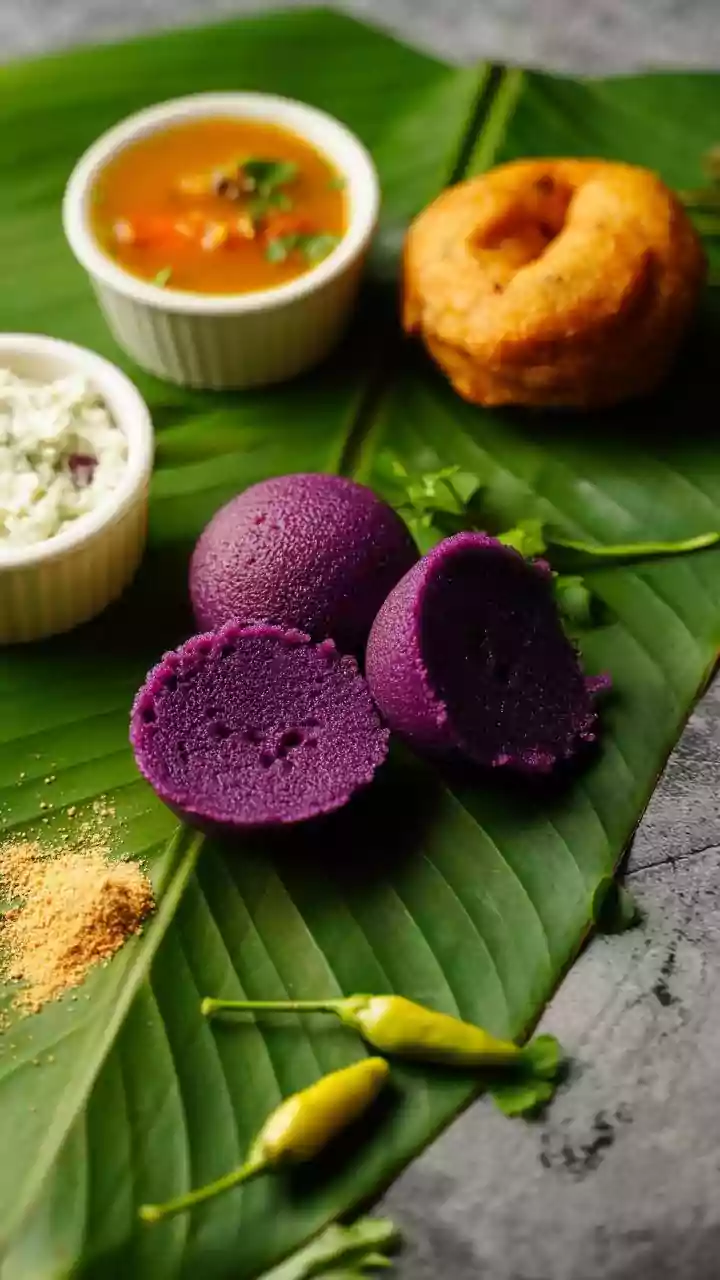
Combining banana leaves with regional delicacies creates a multisensory dining experience that engages more than just the palate. The vibrant green of the leaf makes the colours of the food pop, creating a visually stunning, Instagram-worthy spread. The subtle fragrance released by the warm leaf adds an aromatic dimension to the meal. Many proponents also argue that eating with hands from a banana leaf—a common practice associated with this style of dining—fosters a more mindful and intimate connection with the food. For young hosts, this is not just about serving dinner; it is about curating a memorable and meaningful experience for their guests. It’s a celebration that feels both personal and connected to a larger cultural and environmental narrative, reflecting a shift towards more thoughtful and value-based consumption.