






What a Flood Does to Your Soil
The biggest problem with a flood isn't just the water; it's the lack of air. Soil is a bustling ecosystem teeming with billions of aerobic microbes, which need oxygen to survive. When water saturates the ground for more than 24 to 72 hours, it pushes
all the oxygen out, creating an anaerobic environment. This condition is fatal for the beneficial bacteria and fungi that break down organic matter, cycle nutrients, and help plants thrive. In their place, anaerobic microbes can take over, which sometimes produce substances toxic to plant roots and create a sour, unpleasant smell. This shift disrupts the entire soil food web, essentially putting your garden's immune system on hold.
Assess and Avoid Compaction
Once the floodwaters have receded, the first rule is to be patient. Walking on or attempting to work saturated soil is one of the worst things you can do. Wet soil compacts easily, squeezing out the remaining air pockets and destroying its structure. This makes it even harder for oxygen to return and for roots to penetrate later on. Instead of rushing in, take a few days to let the surface dry. Use this time to assess the damage from a distance. Look for areas where sediment has been deposited or where topsoil has been washed away. Check for a greyish colour or a rotten smell, which are signs that the soil is still anaerobic and needs more time to breathe.
Restore Airflow Gently
Your primary goal is to reintroduce oxygen to the soil. Once the ground is no longer squishy and is just damp to the touch, you can begin the gentle process of aeration. For a small urban garden or raised beds, this can be as simple as using a digging fork to carefully poke holes into the top few inches of the soil. Be careful not to turn the soil over like you would with a tiller. The goal isn't to mix the soil layers but simply to create channels for air to enter. This helps the aerobic microbes that survived to begin repopulating and starts the process of drying the deeper layers of soil. This simple step is critical for signalling to the ecosystem that the flood is over.
Feed the Survivors with Compost
After creating pathways for air, the next step is to add new life and food. The most effective way to do this is by applying a layer of high-quality, mature compost. Compost is not just a fertilizer; it's a microbial inoculant teeming with the exact beneficial bacteria and fungi your soil has lost. It also provides a food source for the surviving microbes, helping them multiply faster. Spread a one- to two-inch layer of compost over the entire garden bed. There's no need to dig it in aggressively; gently rake it into the top inch or so. The existing soil structure is fragile, and earthworms and other organisms will do the work of pulling the organic matter down into the soil profile for you.
Consider a Microbial Boost
To accelerate the recovery process, you can introduce specific beneficial microbes. Think of these as probiotics for your soil. Products containing mycorrhizal fungi are particularly helpful. These fungi form a symbiotic relationship with plant roots, extending their reach to find water and nutrients in exchange for sugars from the plant. Flooding can severely deplete these fungi, a condition sometimes called "fallow soil syndrome." You can buy mycorrhizal inoculants as granules or powders to add to your soil or new planting holes. Another option is to brew a compost tea, which is a liquid concentrate of beneficial microbes that you can use to water your garden. This directly introduces a diverse population of active microbes to the recovering soil.
Planting for the Future
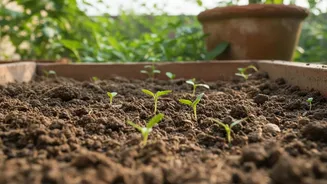
It can take months for a soil ecosystem to fully recover from a severe flood. Be patient before you start planting your most sensitive or demanding crops. A great strategy is to plant a cover crop, such as clover or beans. These crops are resilient and help to further improve soil structure, add organic matter, and stimulate microbial activity. Their roots create channels in the soil and release exudates—sugary substances that feed beneficial microbes—helping to rebuild the soil food web from the ground up. When you do start planting vegetables again, crops that are less dependent on mycorrhizal fungi, such as soybeans or other legumes, can be a good first choice.