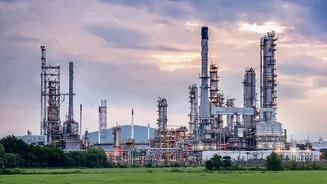







Why Oil Is Expensive Again
Global crude oil has been trading at elevated levels, with Brent crude, the international benchmark, hovering near the $92 per barrel mark. This sustained high price is a result of several factors, including ongoing geopolitical tensions and conflicts
that disrupt supply chains, particularly through critical shipping lanes like the Strait of Hormuz. International energy agencies note that these disruptions have led to a tighter supply market, causing prices for immediate delivery to be higher than those for future delivery—a market condition known as backwardation, which signals scarcity. For a country like India, which imports over 85% of its crude oil, these global price hikes have a significant and direct impact on the domestic economy.
The Direct Hit: Airfares on the Rise
The most immediate and noticeable impact for travellers will be on airfares. Aviation Turbine Fuel (ATF), which is derived from crude oil, constitutes a major portion of an airline's operating costs. When global oil prices rise, ATF prices follow suit, and airlines typically pass this extra cost on to consumers through fuel surcharges. In recent months, airlines have already adjusted these surcharges to cope with volatility. For instance, some carriers introduced surcharges as high as ₹5,000 for certain international routes and up to ₹950 for longer domestic flights. While airlines and the government monitor prices, sustained high crude costs mean that any relief on airfares is unlikely in the short term. Experts have noted that for the price-sensitive Indian traveller, even a small jump in ticket prices can lead to postponing plans or choosing closer destinations.
On the Road: Cab and Car Travel Costs
The impact isn't limited to the skies. The prices of petrol and diesel are directly linked to crude oil rates. While domestic fuel prices have remained relatively stable in major metros like Delhi and Mumbai recently, they are already at high levels, with petrol over ₹102 per litre in Delhi and ₹111 in Mumbai as of August 21. Any further sustained increase in crude prices could force oil marketing companies to revise rates upwards. This would affect anyone planning a road trip, as the cost of filling up the tank would increase. Furthermore, it would impact the operational costs for app-based cab services, intercity buses, and other forms of road transport, likely leading to higher fares for commuters and travellers alike. India's reliance on imported oil means that domestic fuel prices are highly vulnerable to global market fluctuations.
The Ripple Effect on Your Overall Holiday
Higher energy costs create a domino effect that goes beyond just your direct travel ticket. Tour operators who arrange transport, hotels that rely on goods delivered by truck, and even restaurants that source ingredients from afar will all face increased operating expenses. These costs are often passed on to the final consumer. This means the price of package tours could rise, hotel room rates might see an inflationary adjustment, and the overall cost of your holiday could be higher than anticipated. The entire travel and hospitality ecosystem is interconnected, and a shock to fuel prices is felt across the board, eventually impacting the total budget for your trip.
Smart Planning in an Expensive Era
While you can't control global oil prices, you can adjust your travel strategy. Booking flights and hotels well in advance is a proven way to lock in lower prices before potential future hikes take effect. Consider destinations that are accessible by train, which is often less susceptible to the immediate volatility of ATF prices. Being flexible with your travel dates can also help you find better deals, as flying on weekdays is typically cheaper than on weekends. For road trips, budgeting for higher fuel costs is essential. In this high-cost environment, thorough planning and budget-conscious choices are more important than ever to ensure your travel plans remain affordable.