




The 'Shop Your Fridge First' Mindset
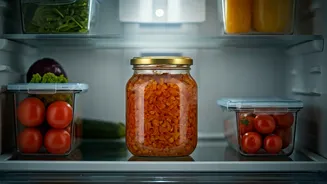
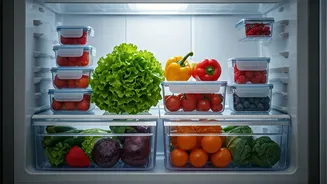
Here is the single most effective trick: before you plan your meals or write a grocery list, 'shop' your own kitchen first. Look in your fridge, your vegetable basket, and your pantry. What needs to be used up *today*? That half-bunch of coriander, the two
tomatoes about to go soft, the leftover rice from yesterday? Build your next meal around these items. This simple mindset shift flips the script from 'What do I want to eat?' to 'What needs to be eaten?' It’s the foundation of a low-waste kitchen because it forces you to use what you already have, preventing perfectly good food from spoiling.
Become a Storage Master
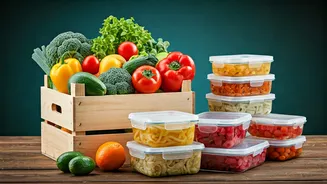
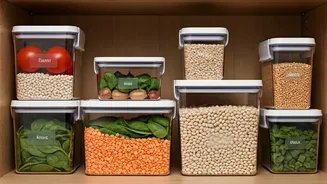
How you store your food makes a world of difference to its lifespan. Many of us are storing things incorrectly. For example, wrap coriander and other herbs in a damp cloth or paper towel and store them in the fridge to keep them fresh for a week or more. Store ginger and garlic in a cool, dark place, but not in the fridge where they can sprout or get mouldy. Keep potatoes and onions separate, as onions release gases that cause potatoes to sprout faster. A simple Google search for 'how to store X' can save you a surprising amount of money and prevent waste.
Use Every Single Part
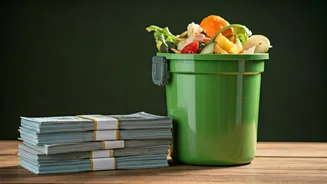
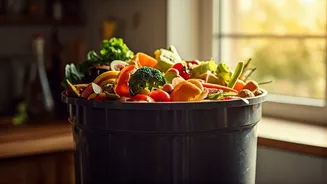
Our parents and grandparents were experts at this, and it's a habit worth reviving. Many of the parts of vegetables we discard are not only edible but also nutritious. Don't throw away cauliflower and broccoli stems; chop them up and add them to your sabzi, soup, or stir-fry. Coriander stems are packed with flavour and can be ground into chutneys and pastes. You can turn potato peels into a crispy snack by baking or air-frying them with a little salt and spice. Vegetable peels from carrots, lauki, and potatoes can be boiled to create a flavourful stock for soups and dals. It’s about seeing potential in what you would normally throw away.
Reimagine Your Leftovers
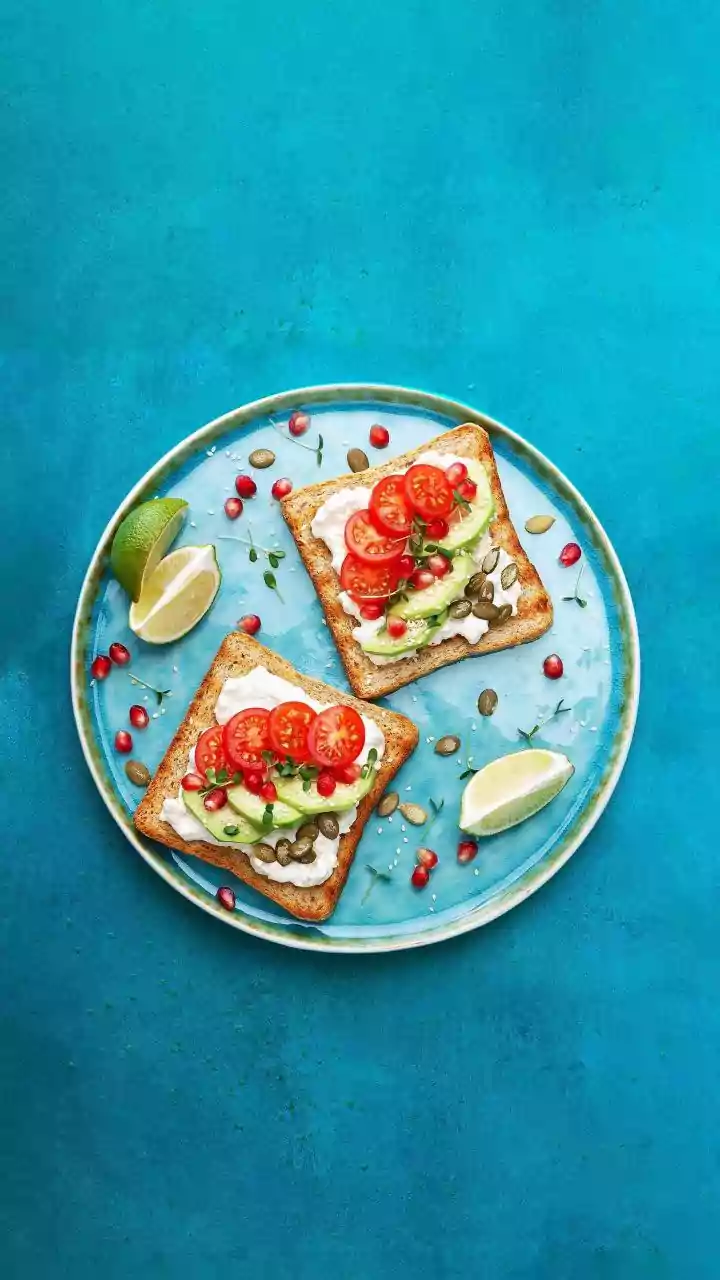
Leftovers don't have to be a boring repeat of last night's dinner. Get creative! Leftover dal can be kneaded with flour to make delicious and protein-rich parathas for breakfast. Extra rice can be quickly transformed into lemon rice, tomato rice, or fried rice for a quick lunch. Leftover cooked sabzi can be mashed, mixed with some besan or breadcrumbs, and turned into cutlets or tikis. Thinking of leftovers as ingredients for a new dish, rather than just old food, makes them much more appealing and less likely to be forgotten at the back of the fridge.
Plan, But Stay Flexible
Meal planning is a powerful tool, but rigid plans can sometimes lead to waste if your schedule changes. A better approach is 'flexible planning'. Instead of planning seven distinct dinners, plan for three or four and keep some quick-cook staples on hand. This gives you the structure to buy only what you need, but also the flexibility to eat leftovers, have a spontaneous dinner out, or whip up a quick meal from your pantry. Also, make your grocery list *after* you've shopped your fridge. This ensures you're not buying another bunch of spinach when you already have one wilting at home.