





The Purple Jewel of the Rains
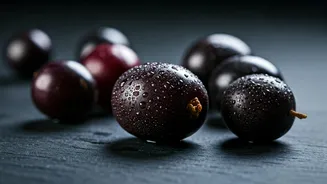
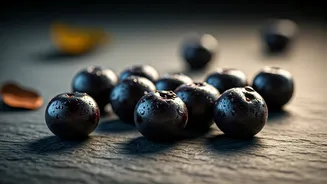
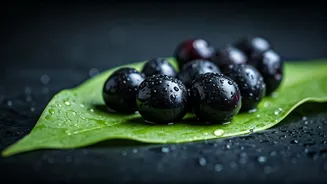
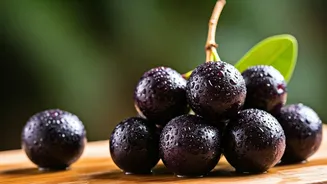
The fruit in question is the Jamun, or Java plum. Small, oblong, and cloaked in a shade of purple so deep it’s almost black, the Jamun is the unofficial taste of the Indian monsoon. As the skies turn grey, carts and vendors begin to appear, their baskets
laden with these glossy jewels, often served in a simple paper cone with a pinch of black salt. Its arrival is as reliable as the clouds themselves, a natural marker that the season has truly turned. Unlike the grand, celebrated mango of summer, the Jamun is a humbler affair. It’s not a fruit you plan your day around; it’s a delightful, spontaneous treat you stumble upon, making the experience all the more special.
A Taste of Pure Nostalgia
Biting into a Jamun is a complex experience. The first wave is a bold sweetness, which quickly gives way to a sharp, astringent tang that makes your mouth pucker in the most satisfying way. It’s this unique flavour profile that stains your tongue a tell-tale shade of purplish-blue, a temporary badge of honour worn by children and adults alike. For countless Indians, this taste is inextricably linked to childhood. It’s the memory of huddling under an awning to escape a downpour, sharing a portion with friends after school, or collecting the fallen fruit from a neighbourhood tree. The slightly sour, slightly sweet, and utterly distinct flavour is a direct portal to simpler times, a taste of monsoons past that we chase every year.
More Than Just a Flavour
The Jamun's significance goes beyond its taste. It represents a connection to nature's cycles that feels increasingly rare in our modern, fast-paced lives. Its seasonality is brief and perfectly aligned with the rains, making it a true 'limited edition' offering from nature. You can't get good Jamun in April or December; it belongs exclusively to the monsoon. This fleeting availability makes it precious. It’s a reminder to slow down and savour the present moment, to appreciate the simple gifts of the season. The act of eating Jamun—often outdoors, with stained fingers and a carefree attitude—is a small rebellion against the curated perfection of modern food culture. It’s rustic, real, and deeply rooted in the Indian landscape.
The Wellness Connection
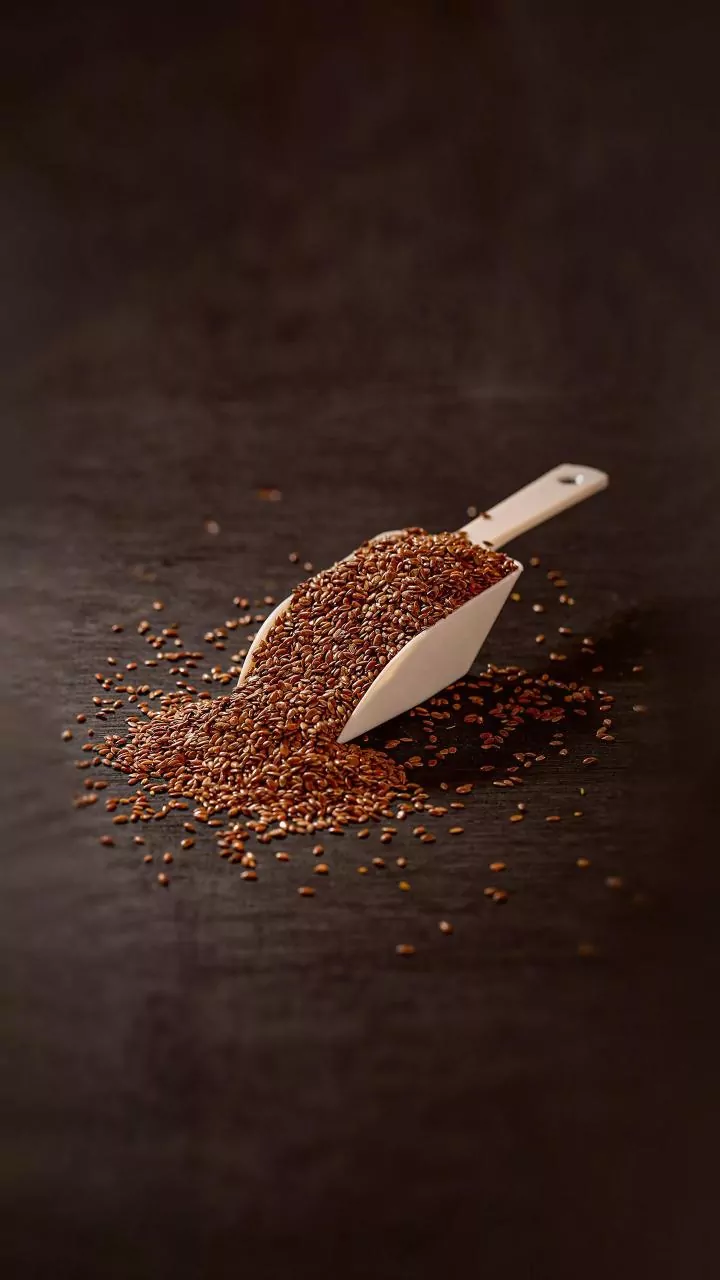
Adding to its allure are the health benefits traditionally associated with the fruit. Jamun is loaded with antioxidants, Vitamin C, and iron. In traditional Ayurvedic and Unani medicine, it has long been valued for its various properties. The seeds, often dried and powdered, are particularly well-known in folk remedies for managing blood sugar levels, which has made the fruit popular among those with diabetes. While it’s no magic cure, this perception of the Jamun as a 'healthy' indulgence only deepens its appeal. It feels like a guilt-free treat, a snack that not only delights the senses but also nourishes the body in its own humble way.
How to Best Enjoy It
The purest way to enjoy Jamun is fresh, perhaps with that classic sprinkle of 'kala namak' (black salt) to balance its astringency. But its unique flavour lends itself to a variety of preparations. The iconic 'Kala Khatta' slush or 'gola' gets its signature flavour and colour from Jamun syrup, providing a brain-freezing, nostalgic treat on a humid day. Modern chefs are also embracing it, incorporating Jamun into everything from cheesecakes and ice creams to savoury glazes for meats. A simple Jamun smoothie or a refreshing 'raita' can also bring its unique character to your table. No matter how you have it, the goal is the same: to capture that essential taste of the season.