







Looking for a simple, effective way to stay active without leaving the house? Indoor walking is a zero-cost, low-impact cardio option that fits any schedule. Here’s how to turn your living room into your personal walking track.
The Undeniable Perks of Walking Indoors
Walking is one of the most
accessible forms of exercise, but weather, safety concerns, or a tight schedule can often get in the way. Indoor walking removes these barriers entirely. It's a weather-proof workout you can do any time of day, rain or shine. This makes it easier to build a consistent routine. It's also incredibly safe, eliminating worries about traffic, uneven sidewalks, or exercising alone in the dark. For those with joint issues like arthritis, walking on a softer indoor surface can be gentler on the knees and hips than hard pavement. Best of all, it’s completely free and requires no special equipment, making it a budget-friendly fitness solution for everyone.
Getting Started: Your Indoor Walking Form
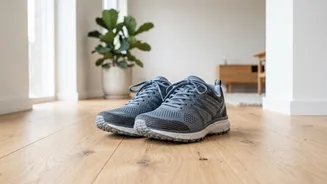
You don't need much space to start; a small, clear area is perfectly fine. While you can walk barefoot, wearing a pair of comfortable, supportive shoes is recommended to provide stability. The foundational move is marching in place. Stand tall with your feet about hip-width apart. Engage your core by imagining you're pulling your belly button toward your spine. Lift one knee up towards your waist while swinging the opposite arm forward, then switch sides. This coordinated movement mimics a natural walking gait and helps elevate your heart rate. Keep your posture upright and your eyes looking forward to maintain good form.
Turn Up the Intensity, No Treadmill Needed
Walking in place is effective, but adding variety prevents boredom and challenges your body in new ways. To increase your calorie burn and work different muscles, incorporate a few simple moves. Try high knees, where you bring your knees up to a 90-degree angle. Add in butt kicks by trying to kick your heels back towards your glutes. Side steps or a grapevine motion (stepping side-to-side) engages your hips, while arm movements like punches or overhead presses can increase the cardio challenge and tone your upper body. Varying your pace with intervals—for example, walking fast for one minute and then at a moderate pace for two—is another proven way to boost your fitness.
Sample 20-Minute Indoor Walking Routine
Ready to put it all together? Try this simple but effective 20-minute workout. Start with a 3-minute warm-up of slow, steady marching in place to get your muscles ready. For the main workout, alternate between different moves every few minutes. Spend 4 minutes marching at a brisk pace. Follow that with 2 minutes of side steps. Then, do 2 minutes of high knees. Next, perform another 4 minutes of brisk marching, but this time, add arm swings or punches. Finish the main set with 2 minutes of butt kicks. Finally, cool down with 3 minutes of slow marching, allowing your heart rate to gradually return to normal. This structure provides a full-body, low-impact workout that can burn a significant number of calories.
Staying Motivated on Your Indoor Journey
The key to any fitness plan is consistency, and motivation is crucial. To keep your indoor walks from feeling monotonous, create a playlist of your favourite upbeat music. You can also listen to a podcast or audiobook, or even walk while watching TV. Many people follow along with free walking workout videos online, which offer guided routines and a sense of community. Tracking your progress, whether by time, estimated steps, or how you feel, can also be a powerful motivator. Setting small, achievable goals, like adding five minutes to your walk each week, helps build momentum and confidence over time.