


Plan Ahead: Booking and Itinerary
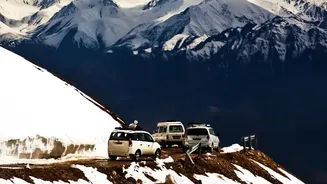
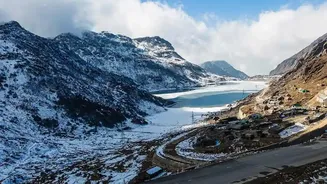
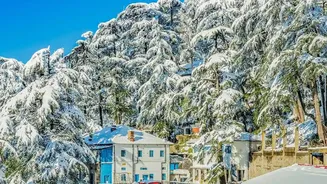
Winter transforms the Himalayas, making some areas inaccessible while turning others into popular tourist hubs. High-altitude passes like Rohtang and Kunzum often close from November onwards due to heavy snow, cutting off regions like Spiti and Zanskar.
Meanwhile, accessible destinations such as Manali, Auli, and Gulmarg see a surge in visitors, especially around holidays. To avoid disappointment, book your flights and accommodations several weeks, if not months, in advance. When planning your itinerary, build in buffer days. Winter weather is unpredictable; snowfall can lead to sudden road closures and travel delays. A flexible schedule prevents the stress of tight connections and allows you to travel safely without rushing on icy roads.
Layering: Your Best Defence Against Cold
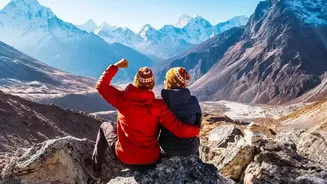
The golden rule for staying warm in the Himalayas is layering. Instead of one bulky jacket, wearing multiple layers allows you to adjust to changing temperatures throughout the day. A typical three-layer system is most effective. Start with a moisture-wicking base layer (thermals) made of synthetic fabric or merino wool to pull sweat away from your skin. Cotton should be avoided as it holds moisture and makes you colder. Your second layer is for insulation; a fleece or a down jacket works perfectly to trap body heat. The final outer layer should be a waterproof and windproof shell jacket to protect you from snow, rain, and biting winds. This system keeps you warm, dry, and comfortable whether you're trekking or enjoying a cup of tea.
Essential Gear Beyond Clothing
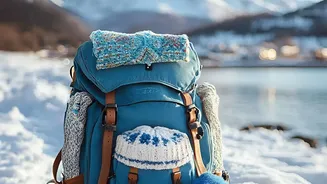
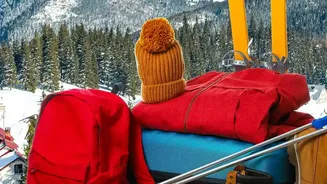
Proper clothing is just the start. Your packing list must include other essentials for safety and comfort. Waterproof trekking shoes with good grip are non-negotiable for navigating snowy or icy paths. Protect your extremities with woollen socks, waterproof gloves, and a warm cap or balaclava that covers your ears. At high altitudes, the sun's UV rays are harsh, so pack sunglasses and a high-SPF sunscreen. Other crucial items include a reusable insulated water bottle to prevent your water from freezing, a power bank for your electronics as batteries drain faster in the cold, and a basic first-aid kit. For treks involving deep snow, gaiters are highly recommended to keep snow out of your boots.
Health and Acclimatisation
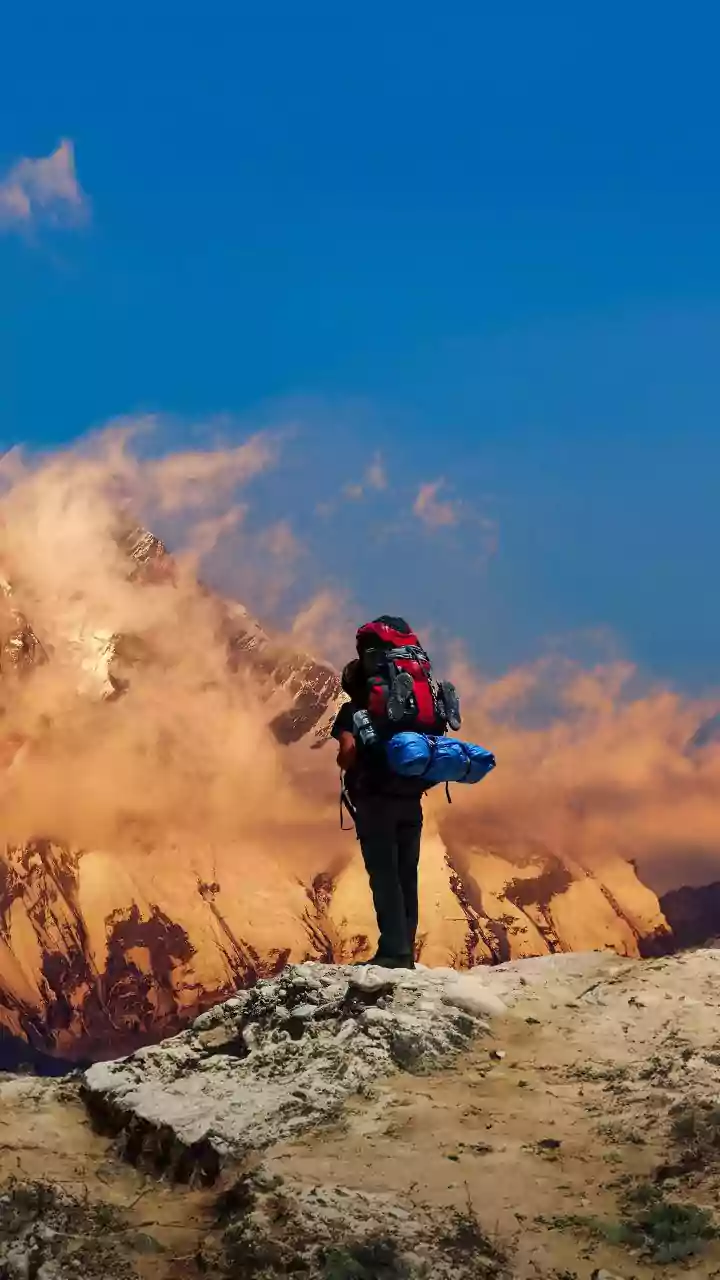
Altitude sickness, or Acute Mountain Sickness (AMS), is a serious risk when travelling to elevations above 2,500 metres (about 8,200 feet). It can affect anyone, regardless of fitness level. The key to prevention is gradual acclimatisation. Avoid ascending too quickly; if flying into a high-altitude location like Leh, plan to rest for at least 48 hours before engaging in any strenuous activity. The golden rule for trekking is to sleep no more than 500 metres higher than the previous night's altitude. Symptoms of AMS include headache, nausea, dizziness, and fatigue. If you experience these, do not ascend further. Rest, and if symptoms worsen, descend immediately. Staying hydrated by drinking plenty of water is also crucial in the dry, cold air.
Choosing Your Winter Wonderland
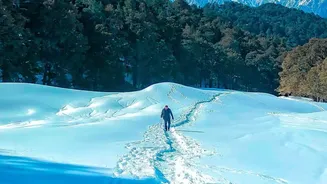
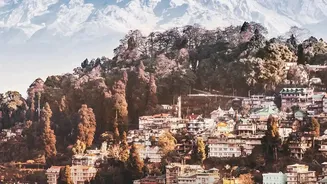
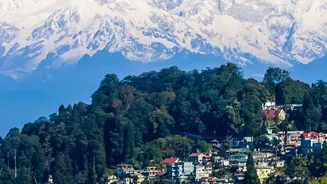
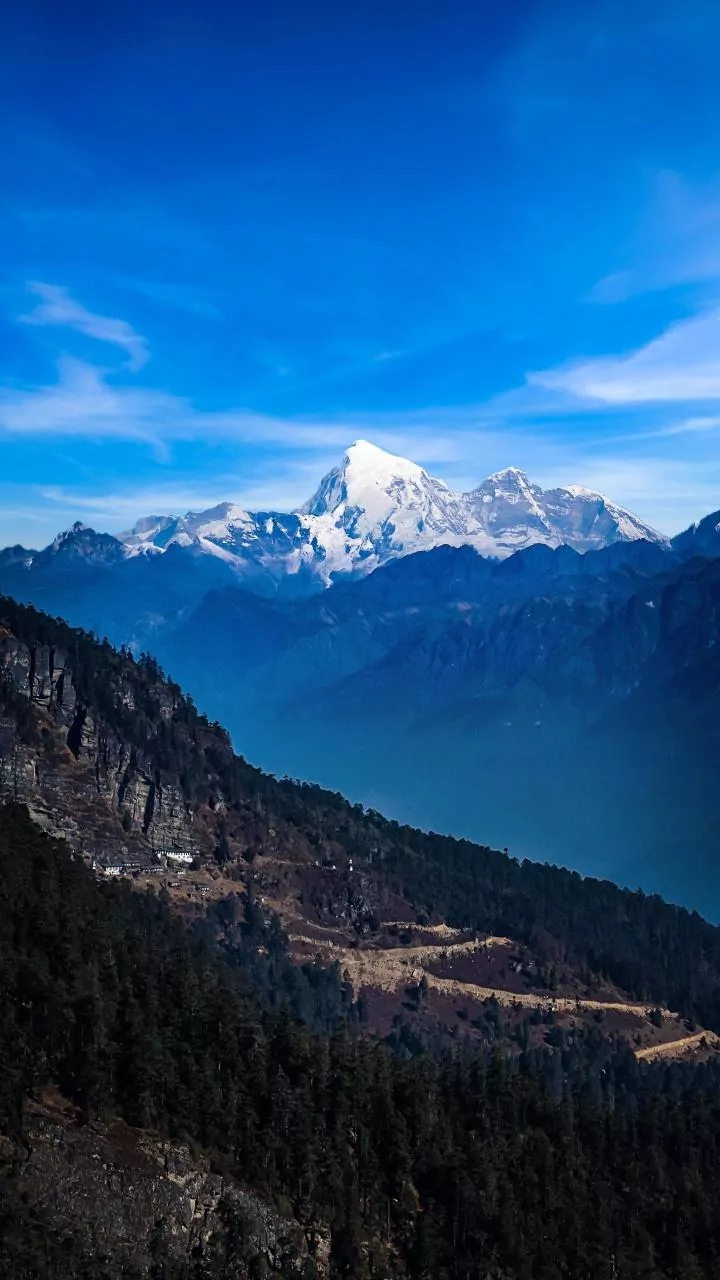
Not all Himalayan destinations are suitable for winter travel. While some are cut off, others are at their prime. For reliable snow and winter sports like skiing, Gulmarg in Kashmir and Auli in Uttarakhand are premier choices. For a more relaxed getaway with stunning views of snow-capped peaks, consider places like Shimla, Manali in Himachal Pradesh, or Pelling in Sikkim. Recent snowfall has been reported in the higher reaches of Himachal, attracting tourists to areas around the Atal Tunnel like Sissu and Kokhsar. However, always check local road conditions before heading to high-altitude areas, as heavy snowfall can cause rapid closures. For beginners, shorter treks like Triund or Dayara Bugyal offer a manageable yet rewarding winter experience.