
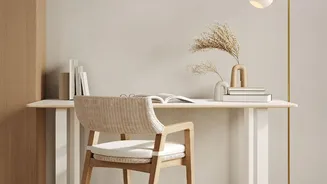
The Fading Appeal of a Single Note
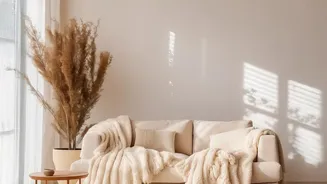
The long dominance of beige, from furniture to walls, created a uniform and safe aesthetic. It was the interior design equivalent of a quiet hum. However, after years spent more intimately with our homes, what once felt serene now can feel sterile or impersonal
for many. Designers note a significant shift away from this one-dimensional look. The consensus is growing: a home should tell a story and reflect the people living in it, and that requires more than a single, muted shade. This evolution in preference is not a rejection of calm, but a redefinition of it, moving from emptiness toward a more layered and emotionally resonant warmth.
Defining Warmer Contrasts
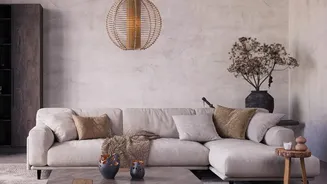
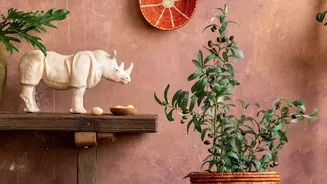
So, what does it mean to embrace 'warmer contrasts'? It’s not about abandoning neutrals entirely, but about using them as a sophisticated backdrop for richer, more dynamic elements. Think of it as moving from a solo performance to a full orchestra. The new palette includes earthy, complex colours that provide depth. Designers are championing shades like cola browns, muted greens, terracotta, dusty pinks, and various blues to create contrast. The goal is to create balance; pairing the familiar comfort of a neutral base with colours and textures that add character and life. It’s about creating spaces that feel both grounding and interesting.
Easy Ways to Introduce Warmth
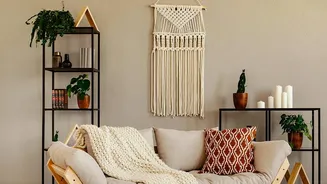
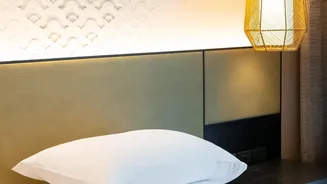
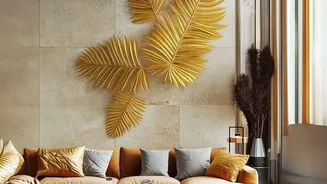
You don't need a complete overhaul to pivot from an all-beige scheme. The key is to start with small, intentional additions. Swapping out beige cushions for ones in deep olive, rich burgundy, or a patterned fabric can make an immediate impact. Consider adding a statement piece of art to break up a neutral wall. A colourful or patterned lampshade can also inject personality without overwhelming the room. The idea is to layer in new tones and textures gradually, allowing your home's palette to evolve in a way that feels authentic to you.
Embrace Texture and Natural Materials
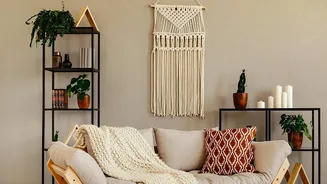
Beyond colour, texture is a critical component of this new, warmer aesthetic. The minimalism of the beige era often emphasized smooth, flat surfaces. Now, there is a heavy emphasis on tactile elements that add sensory depth. Think of contrasting a smooth wall with a chunky knit blanket, a nubby bouclé armchair, or a hand-woven jute rug. Natural materials are also essential. The organic warmth of wood, the coolness of stone, and the character of rattan or aged brass provide a rich, tactile experience that a purely beige room often lacks. This focus on craftsmanship and natural materials brings a sense of soul and permanence to a space.
It's All About Personal Expression
Ultimately, this trend reversal is about moving away from a prescribed ‘look’ and toward more personal and expressive interiors. It’s a call to fill our homes with objects, colours, and textures that we genuinely connect with. This might mean a vintage chair with a bold pattern, a piece of art that makes you happy, or a collection of books and heirlooms that tell your story. The new ideal isn’t about perfection, but presence. It’s about creating a space that feels less like a showroom and more like a sanctuary that is uniquely yours, providing comfort and joy through its thoughtful and layered design.