





The Hidden Dangers of High Humidity
While lush greenery is a hallmark of the Indian monsoon, the constant dampness and high humidity create a perfect storm for plant diseases. When air is stagnant and moisture lingers on leaves and in the soil, it becomes a breeding ground for harmful fungi
and bacteria. Conditions like warm days, cool nights, and high humidity are especially conducive to the spread of common fungal issues such as powdery mildew, leaf spot, and black spot. These diseases can weaken a plant, hinder its growth, and, if left unchecked, can be fatal. Providing good air circulation is one of the most effective preventative measures a gardener can take.
Why Leaves Need Breathing Room
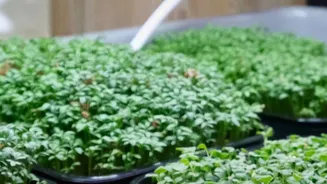
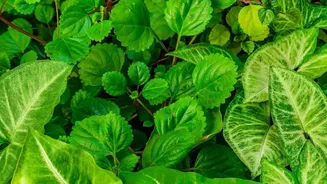
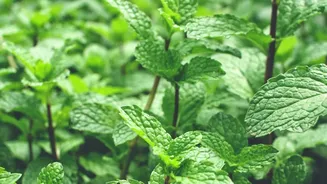
Plants with dense, crowded foliage are particularly at risk during the rainy season. When leaves are packed tightly together, they trap moisture after a downpour, preventing them from drying out. This persistent dampness is exactly what fungal spores need to germinate and spread. Giving plants enough space ensures that air can move freely through the canopy, drying leaves more quickly and significantly reducing the risk of foliar diseases. Proper spacing allows more light to penetrate the inner parts of the plant, further discouraging the dark, damp conditions that fungi love.
Practical Steps for Leaf Spacing
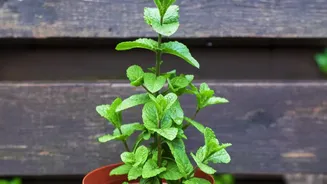
Creating space above the ground is a straightforward task that involves strategic pruning and placement. Start by thinning out dense growth, selectively removing branches to open up the plant's interior. This is not about drastically cutting the plant back, but about improving its structure for better health. Trim any dead, damaged, or diseased leaves and branches as soon as you spot them to prevent the spread of pathogens. When arranging your pots on a balcony or terrace, ensure they are not crammed together. Leave enough room between each plant so that their leaves are not touching, allowing for unobstructed airflow around each one.
The Problem Beneath the Surface
Just as leaves need air, so do roots. This is a critical fact that many gardeners overlook during the monsoon. Heavy rains can quickly lead to waterlogged soil, especially in pots. When soil is saturated, the air pockets that roots rely on for oxygen disappear. Without oxygen, roots cannot function properly; they can't absorb water or nutrients, and they begin to suffocate. This is why you might see a plant wilting even though its soil is wet—a classic sign of root distress. Prolonged waterlogging inevitably leads to root rot, a serious condition that can quickly kill a plant.
Creating Space and Drainage in the Soil
To prevent waterlogging, focus on creating a well-aerated soil environment. Ensure every pot has adequate drainage holes at the bottom. Elevating pots on bricks or stands can also help water escape more freely. Before the monsoon, consider repotting plants into a lighter, well-draining potting mix. Adding materials like coco peat, perlite, or coarse sand can dramatically improve soil structure and aeration. If you notice soil has become compacted, you can gently aerate it. Carefully push a skewer or chopstick into the soil around the edge of the pot, creating small channels that allow air to reach the roots and help trapped water evaporate.
Supporting Practices for a Healthy Monsoon Garden
Beyond spacing, a few other habits can protect your plants. Adjust your watering schedule; with constant rain and high humidity, plants need far less manual watering. Always check if the top few inches of soil are dry before adding more water. Regularly clean up fallen leaves and flowers from around the base of your plants, as this debris can harbor pests and diseases. For particularly vulnerable plants, a preventative spray with an organic fungicide like neem oil can offer an extra layer of protection against common monsoon ailments.