




Zest for Aroma, Juice for Tang
Understanding the two primary components of a lemon is the first step to better baking. The zest, or the yellow outer peel, contains fragrant citrus oils. This is where the pure, aromatic 'lemony' scent and flavour reside. The juice, on the other hand,
provides the sharp, acidic tang. While both deliver flavour, they serve different purposes. Zest provides potent flavour without adding extra liquid, which is crucial in recipes where the moisture balance is delicate, like cookies or shortbread. The juice brings the necessary acidity to cut through richness and balance sweetness, but using too much can alter a batter's consistency. For a truly deep and rounded lemon flavour, most successful recipes use both.
The Baker's Secret Weapon: Infused Sugar
To get the most intense lemon aroma into your bakes, don't just add zest to the batter. The most effective technique is to rub the lemon zest directly into the granulated sugar with your fingers before you start mixing. This simple step helps the coarse sugar crystals rupture the zest, releasing its fragrant oils. The sugar becomes infused with a powerful lemon scent, which then gets distributed evenly throughout your cake, cookies, or scones. This ensures the flavour isn't just in the little flecks of zest but in every single bite.
Know Your Lemons
Not all lemons are created equal. The most common variety found in supermarkets is the Eureka lemon, known for its classic tartness and high acidity. Meyer lemons, however, are a cross between a lemon and a mandarin orange, making them sweeter, less acidic, and more floral. Their thin skin is also excellent for zesting. For desserts where you want a complex, less puckering citrus note, Meyer lemons are an excellent choice. Other varieties like the seedless lemon are prized in baking for their convenience and thin skin, which provides aroma without bitterness. Knowing which lemon to use can subtly change the final profile of your dessert.
The Science of Citrus in Baking
Lemon juice does more than just add flavour; it plays a chemical role in your recipes. The acidity in lemon juice can react with leavening agents like baking soda, producing carbon dioxide gas that helps cakes and muffins rise and become fluffy. This acidic environment can also tenderize gluten, resulting in a softer, more delicate crumb in cakes. However, this same acidity can cause problems if not balanced, potentially curdling dairy ingredients if added improperly. This is why many recipes call for adding lemon zest directly to batters but save the juice for glazes, syrups, or fillings where its tartness can shine without disrupting the bake's structure.
Balancing Sweetness and Acidity
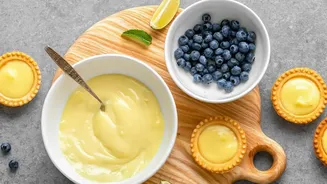
The ultimate goal of any lemon dessert is to achieve a perfect harmony between sweet and sour. The natural acidity of lemon needs to be mellowed by sugar, and its flavour is often enhanced by fats like butter, cream, or ricotta. This is why lemon pairs so well with rich, creamy fillings in cheesecakes and tarts. When creating a lemon dessert, it's not just about the amount of lemon, but its relationship with the other ingredients. A tart lemon curd is balanced by a sweet, buttery crust, and a tangy lemon glaze provides a perfect counterpoint to a rich pound cake. Tasting and adjusting is key to finding that delicious equilibrium.
Layering Flavours for Maximum Impact
To avoid a one-note dessert, think about layering lemon flavour throughout the different components of your bake. A truly memorable lemon cake might feature zest in the batter, a lemon syrup soaked into the sponge after baking, and a sharp lemon glaze on top. This layered approach ensures the citrus is present from the first bite to the last. You can also introduce complexity by pairing lemon with other flavours. Berries like blueberry and raspberry are classic partners, as their sweetness contrasts beautifully with lemon's tartness. You can also consider using a mix of citrus, like adding a little orange or lime zest alongside the lemon, to create a more nuanced and interesting flavour profile.