


A Human Touch in a Digital World
After a decade dominated by cool greys and stark minimalism, there is a collective craving for homes that feel like sanctuaries. [5] Warm wood and brass answer this call by providing a sense of grounding and permanence. [5] These materials are linked
to biophilic design, which suggests that humans have an innate need to connect with nature. [10] Incorporating natural elements like wood can reduce stress, improve mental well-being, and make a space feel restorative. [3, 15] In a fast-paced, digital world, a home filled with the textures and tones of nature provides a much-needed sense of calm and retreat. [5, 12]
The New Era of Brass
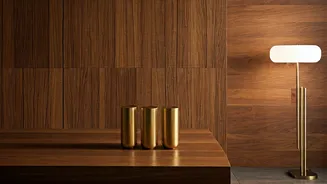
If you're picturing the shiny, lacquered brass of the 1980s, think again. [6] Today’s brass is more understated and luxurious. [6] The comeback is focused on softer, more nuanced finishes like brushed, satin, or antique brass. [1, 11] These finishes add a soft, golden warmth without the high-shine glare of the past, allowing them to blend seamlessly with contemporary styles. [1, 22] Often used as the "jewelry" of a room, brass is being sprinkled thoughtfully through spaces in the form of cabinet hardware, faucets, and light fixtures, adding a layer of radiance to previously monochromatic rooms. [6, 11]
Versatility That Lasts
One of the biggest drivers of this trend is sheer versatility. Unlike some materials that lock you into a single aesthetic, warm wood and brass work beautifully across a spectrum of styles, from Scandinavian minimalism to eclectic and vintage-inspired designs. [1] They pair perfectly with natural materials like marble, linen, and wool, as well as with cooler tones like sage green or deep navy blues for a sophisticated contrast. [1, 8] This adaptability makes them a wise investment. Homeowners are increasingly looking for durable, quality materials that offer timeless appeal rather than following short-term fads. [2, 4]
A Move Towards Sustainability
The trend also aligns with a growing consciousness around sustainability in design. [9] Wood, when sourced responsibly from well-managed forests, is a renewable resource. [4, 18] Opting for high-quality, durable materials like solid wood and brass is a deliberate move away from the disposable culture of flat-pack furniture. [15] These materials are built to last for generations, and brass itself is highly recyclable. [8, 15] Furthermore, both materials often become more beautiful with age; wood develops a richer colour, and brass can acquire a unique patina, adding character and a story to the pieces in your home. [1, 6]
It's Not Dated, It's Modern Warmth
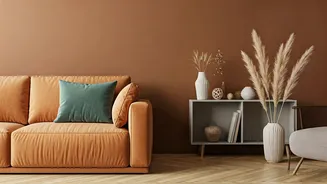
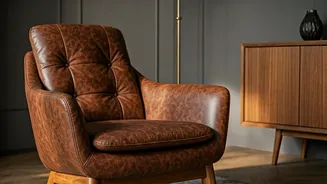
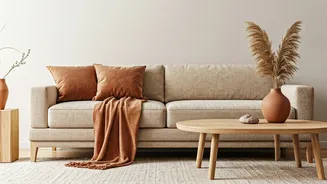
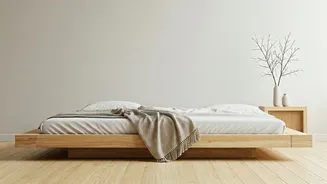
Today's application of warm woods and brass is a world away from the heavy, orange-toned oak and bulky fixtures of previous decades. [5, 20] The current trend, sometimes called "Warm Modernism," favours lighter woods like white oak, ash, and walnut in natural finishes. [2, 5] These are paired with the aforementioned elegant brass accents to create spaces that feel clean and simple, but with soul and personality. [2] The goal is to achieve an earthy depth that feels light and airy, not dark and heavy. [13] It's a sophisticated balance that signals thoughtful design and creates a home that is both current and classic.