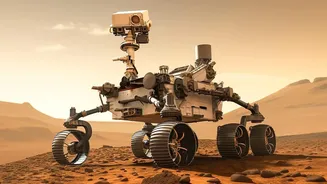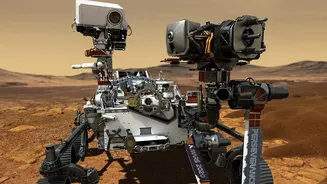



For years, precious samples of Martian rock and soil have sat waiting in sealed tubes on the red planet's surface. Now, NASA is revitalizing its ambitious plan to bring them home with a new strategy dubbed the PSRA plan.
A Fresh Start for a Historic Mission
NASA has initiated a new effort
called the Perseverance Sample Retrieval Architecture, or PSRA, to refine its approach for the historic Mars Sample Return (MSR) mission. Announced on November 9, 2026, this plan aims to create a more feasible and timely strategy for retrieving the samples collected by the Perseverance rover since its landing in 2021. The decision comes after previous proposals faced challenges, with cost estimates running as high as $11 billion and return dates extending to 2040, a timeline and budget NASA deemed unacceptable. The PSRA team is tasked with reviewing all prior lessons and current capabilities to develop a concrete plan. Their work will officially kick off in January 2027, with a final report expected by the winter of 2027-2028. This renewed focus is also spurred by international developments, as China's Tianwen-3 mission aims to return its own Martian samples as early as 2031.
The Treasure in Jezero Crater
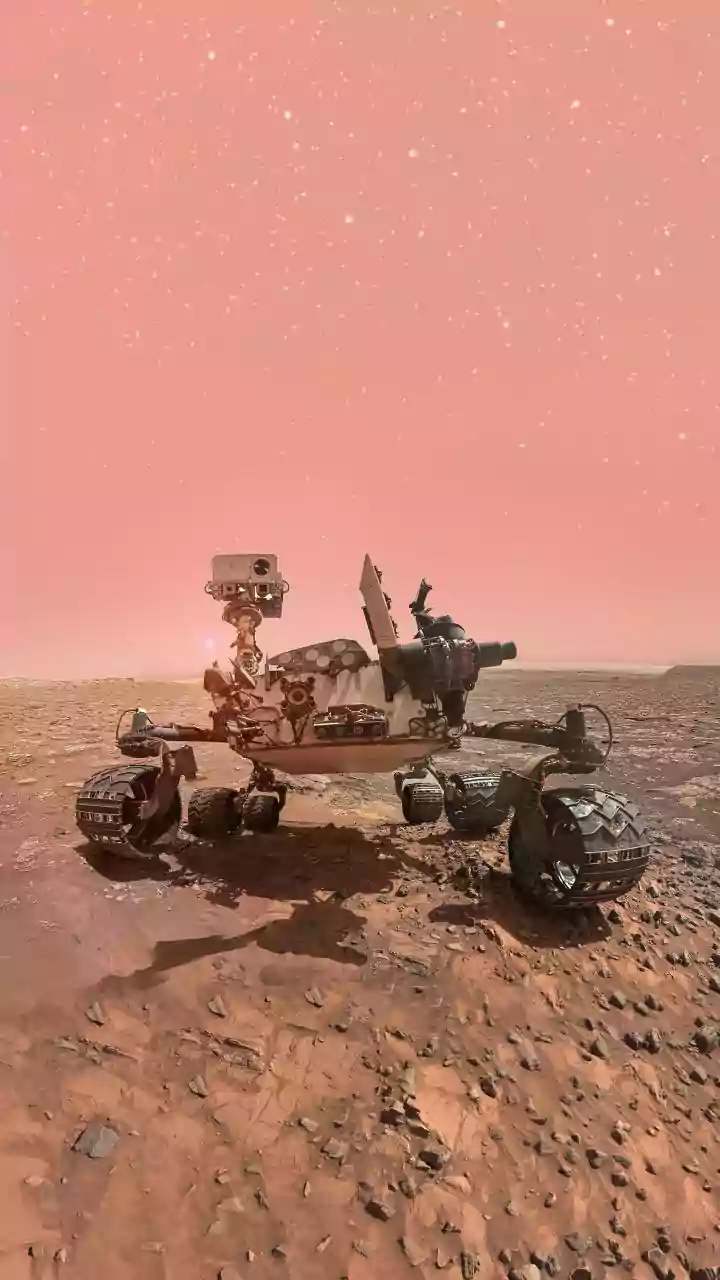
The samples at the heart of this monumental effort are located in Mars' Jezero Crater, a 45-kilometre-wide basin that was once home to a lake and river delta about 3.5 billion years ago. NASA specifically chose this location for the Perseverance rover because it offered the best chance to find signs of ancient microbial life. The rover has been diligently drilling and sealing cores of diverse rock types, from igneous rocks formed by ancient lava flows to sedimentary rocks like mudstone and sandstone that formed in water. Some of these samples, such as those from a rock named 'Wildcat Ridge,' contain organic molecules associated with sulfate minerals, providing tantalizing clues about the watery, potentially habitable environment of Mars' past. These carefully selected specimens, along with samples of the Martian atmosphere, are considered a scientific treasure trove that could rewrite our understanding of planetary evolution.
An Interplanetary Relay Race
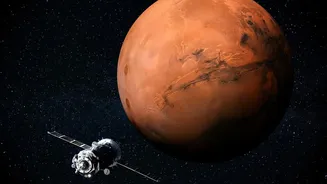
Bringing the samples back is a multi-stage, multi-spacecraft endeavour of incredible complexity, planned in partnership with the European Space Agency (ESA). The core architecture involves a Sample Retrieval Lander touching down near the Perseverance rover. This lander would carry a small rocket, the Mars Ascent Vehicle (MAV). The plan would see the samples transferred into a basketball-sized Orbiting Sample container and loaded into the MAV. The MAV would then perform the first-ever rocket launch from the surface of another planet, sending the container into orbit around Mars. From there, ESA's Earth Return Orbiter (ERO) would perform an autonomous rendezvous, capturing the container, sealing it in a biocontainment system, and beginning the long two-year journey back to Earth.
Challenges and Unprecedented Rewards
The technical and logistical hurdles are immense. Successfully launching a rocket from another planet, conducting an automated orbital rendezvous millions of kilometres away, and safely returning a payload through Earth's atmosphere are all monumental challenges. One of the most critical aspects is planetary protection. Strict protocols are required to ensure that the Martian samples are not contaminated by Earth microbes and, conversely, that Earth's biosphere is protected from any potential extraterrestrial life forms. Despite the difficulties, the scientific payoff is considered irreplaceable. Instruments on Earth are far more powerful and sophisticated than what can be sent on a rover. Analyzing these pristine samples in state-of-the-art labs could definitively answer whether life ever existed on Mars, providing profound insights into our own planet's history and our place in the cosmos.