



The Greening of India: A Success Story?
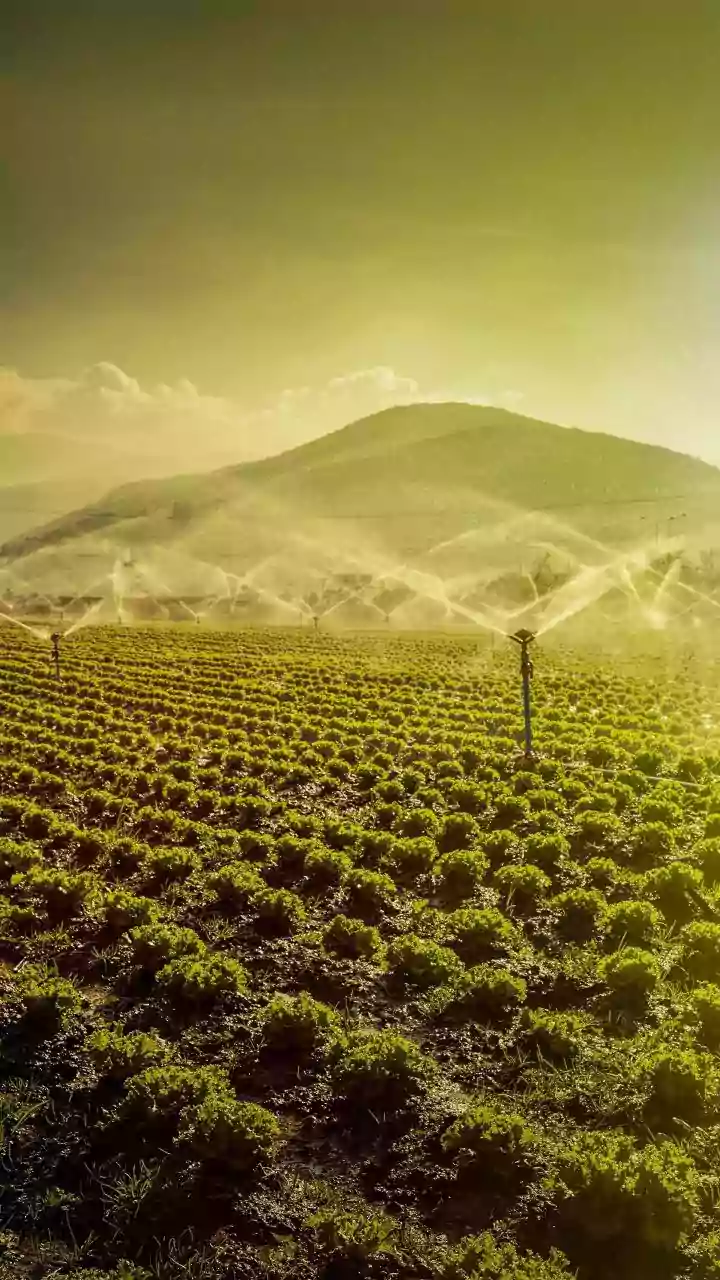
On the surface, the news is overwhelmingly positive. Studies using NASA satellite data have shown that India, along with China, is leading the world in greening. A significant portion of this increase comes from intensive agriculture and ambitious tree-planting
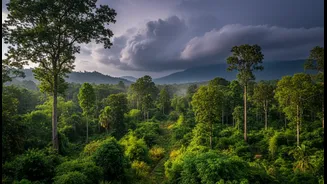
programs. A recent study led by the Indian Institute of Tropical Meteorology (IITM) projects that this trend will continue, with India's vegetation expected to grow and absorb more carbon dioxide through to 2100. The study points to the combined effect of rising atmospheric carbon dioxide (which can stimulate plant growth) and projected increases in rainfall. This greening is most pronounced in the Indo-Gangetic Plain, Northeast India, and the Western Ghats. Government initiatives like the National Afforestation Programme (NAP) and the Green India Mission (GIM) have aimed to increase forest cover, contributing to this visible expansion of vegetation.
Not All Green Is Created Equal
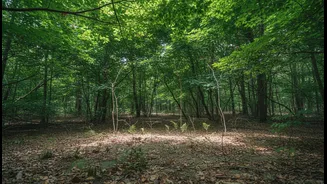
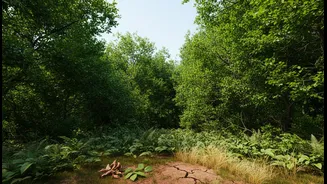
The critical question, however, is what kind of green are we creating? A significant portion of India's afforestation has relied on large-scale monoculture plantations of fast-growing, often non-native species like eucalyptus, acacia, and teak. While these plantations rapidly increase 'tree cover' on a map, they are a far cry from natural forests. Experts warn that these monocultures lack the ecological value and biodiversity of the native forests they sometimes replace. Studies in regions like Kerala and Tripura have shown how these single-species plantations can lead to a sharp decline in local biodiversity, affecting everything from soil health to primate populations. They create what many ecologists call 'green deserts'—visually green but biologically impoverished landscapes that do not support the complex web of life found in a natural, diverse forest.
The Overlooked Heat Factor
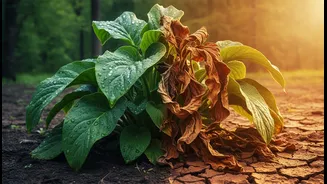
Simply planting trees without considering the broader climate is a risky strategy. Rising temperatures across India are already putting immense stress on ecosystems. Concurrent heatwaves and droughts are becoming more frequent and severe, particularly in Central and Peninsular India. This heat stress can suppress vegetation growth and even lead to large-scale forest die-offs. Some studies warn that as temperatures rise, forests that are currently carbon sinks could weaken their ability to absorb CO2. Research from IIT Kharagpur revealed a troubling paradox: while India’s forests appear greener, their actual photosynthetic efficiency—their ability to convert carbon into biomass—has declined over the last two decades due to climate-induced stress. This suggests that even if vegetation cover expands, its health and functionality could be declining under the pressure of extreme heat.
The Missing Piece: Biodiversity
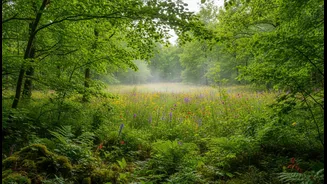
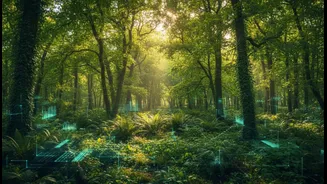
A forest is more than just a collection of trees; it is a complex, living system. Biodiversity is the cornerstone of a forest's resilience. Natural forests with 30-40 different native tree species are intricate ecosystems that provide a habitat for countless other plants and animals, regulate water cycles, and maintain soil fertility. Monoculture plantations, by their very nature, erode this biodiversity. For example, India once had over 100,000 varieties of rice; now, a tiny fraction dominates agriculture. The same principle applies to forests. When natural landscapes are replaced with single-species plantations, the animals, birds, insects, and microorganisms that depended on the original diverse habitat disappear. This not only represents an ecological loss but also weakens the entire system, making it more vulnerable to pests, diseases, and climate shocks. Experts note that biodiversity is the biggest driver of resilience in forest ecosystems facing climate change.
Crafting a Smarter Response for the Future
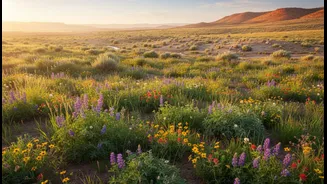
The smart response to India's environmental future is not to stop planting trees, but to change how we do it. The focus must shift from a narrow target of 'tree cover' to a holistic goal of 'ecosystem restoration'. This means prioritizing the regeneration of natural, mixed-species native forests over fast-growing monocultures. It involves protecting existing ancient forests, which are invaluable reservoirs of biodiversity and carbon. It also means incorporating local ecology into planning, avoiding planting trees in natural grasslands or savannahs where they don't belong. Engaging local communities who depend on these ecosystems is critical for long-term success. Initiatives like agroforestry, which integrate trees into agricultural landscapes, can also play a key role, improving farmer livelihoods while boosting ecological health. The goal should be to foster resilient, functional, and biodiverse landscapes, not just green patches on a satellite image.