





The Psychology of a Bored Cat
Cats are natural predators, hardwired for a life of hunting, climbing, and exploring. Their ancestors surveyed their territory from high perches, seeking both safety and opportunity. When we bring them indoors, we protect them from many dangers, but we also
strip away much of this instinctual behaviour. Without an outlet for their energy and curiosity, cats can become bored, which can lead to stress, anxiety, and destructive behaviours. A bored cat isn't just a lazy cat; it's often an unhappy one. You might notice them sleeping excessively, showing little interest in play, overeating, or becoming more vocal or destructive. They might start scratching furniture or instigating conflicts with other pets. These aren't signs of a 'bad' cat, but a cry for enrichment.
Why Vertical Space Is the Answer
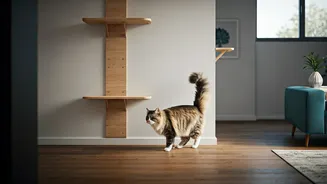
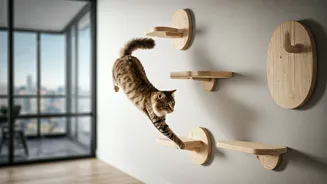
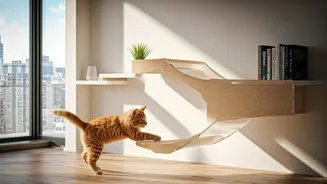
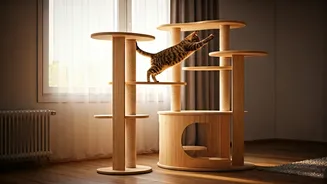
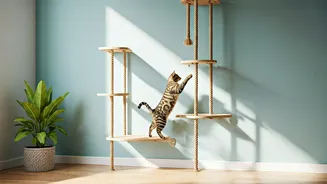
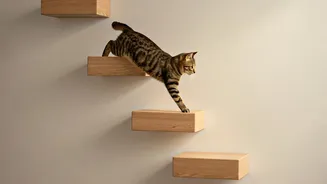
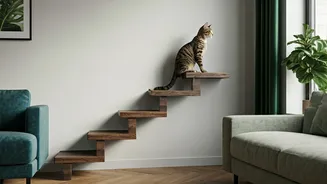
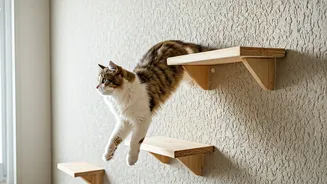
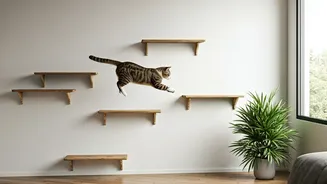
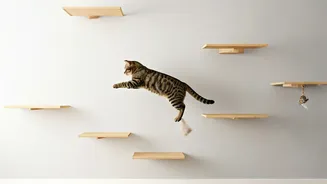
The secret to unlocking your cat’s happiness lies in their environment. Specifically, it’s about providing 'vertical territory'. Adding shelves, perches, and steps to your walls transforms a flat, uninteresting floor plan into a three-dimensional playground. For a cat, height means security. From a high vantage point, they can observe their surroundings without feeling vulnerable. This is especially important in multi-pet households, where it allows cats to establish social hierarchy and avoid conflict without confrontation. Climbing also provides crucial physical exercise, helping to keep your cat at a healthy weight while strengthening their muscles and joints. A simple set of wall-mounted wooden steps isn't just furniture; it's a gateway to a more stimulating, secure, and physically active life.
Choosing the Right Steps
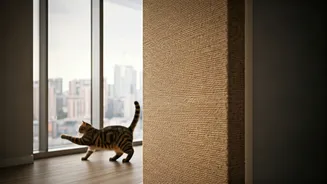
When you're ready to create a 'cat superhighway', start simple. Wooden steps are an excellent choice because they are sturdy, durable, and offer a secure grip for your cat's claws. Look for steps made from solid wood, like pine or birch, rather than particleboard, which may not hold up over time. The surface is key. Some steps come with non-slip surfaces like carpet, cork, or sisal rope, which is great for traction and doubles as a scratching surface. If you choose plain wood steps, ensure they are wide enough for your cat to comfortably stand and turn around on—at least 15-20 centimetres deep. Consider the aesthetic, too. Many modern options are designed to blend seamlessly with home decor, looking more like floating shelves than obvious pet furniture. You can find everything from rustic, natural wood to sleek, minimalist designs.
Safe and Smart Installation
Safety is the most important part of this project. A poorly installed shelf can lead to a dangerous fall. Always mount cat steps directly into wall studs. A stud finder is an essential tool for this job. Do not rely on drywall anchors alone, as they cannot support a cat's weight, especially when it's leaping from one step to another. Plan the layout before you drill. The steps should be spaced so your cat can easily and safely jump between them. A good rule of thumb is to space them about 30-40 centimetres apart horizontally and 20-30 centimetres vertically, but you should adjust this based on your cat's age, size, and agility. A younger, more athletic cat can handle wider gaps, while an older or less mobile cat will need them closer together. Start the path from a low, accessible point, like a piece of furniture or the floor, and lead it towards a rewarding destination, like a window perch or a comfy high-up bed.
Encouraging Your Cat to Explore
Some cats will take to their new climbing wall immediately, but others may be more hesitant. Never force your cat onto the steps. Instead, use positive reinforcement to encourage their curiosity. Place their favourite treats or a sprinkle of catnip on the steps to lure them up. Use a wand toy to guide them along the path, turning it into a fun game. Make the destination worthwhile. A cosy blanket, a sunny spot, or a view of birds outside will make the climb a rewarding experience. Be patient. Let them explore at their own pace. Once they realise the steps are a safe and fun part of their territory, they will start using them with confidence, transforming their once-boring environment into a world of adventure.