




What Are Ceramides, Exactly?
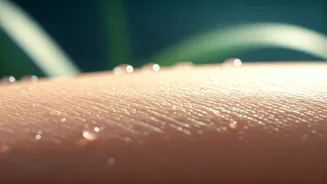
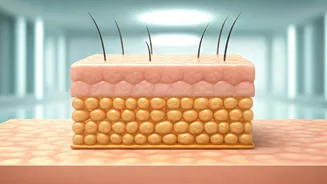
Think of your skin as a brick wall. The skin cells are the bricks, but what holds it all together? That's where ceramides come in. Ceramides are lipids, or fat molecules, that make up about 50% of your skin's outer layer (the epidermis). They are the 'mortar'
that binds your skin cells, creating a protective barrier that seals moisture in and keeps harmful elements out. Unlike trendy ingredients that come and go, ceramides are not a foreign substance you're adding to your skin; they are a vital, natural component of it. When your ceramide levels are optimal, your skin is plump, hydrated, and resilient. When they're depleted, that brick wall starts to show cracks, leading to dryness, irritation, and sensitivity.
The Unsung Hero: Your Skin Barrier
We often talk about wanting 'glowing' skin, but true radiance is a sign of skin *health*. And skin health starts with a strong, functioning skin barrier. This barrier has two critical jobs: it prevents transepidermal water loss (TEWL), which is the process of water evaporating from your skin's surface, and it protects you from environmental aggressors like pollution, UV radiation, and bacteria. Ceramides are the star players in this defensive line. A healthy, ceramide-rich barrier means your skin can effectively retain water, leaving it feeling soft and supple. It also means the barrier is strong enough to fend off irritants that can cause redness, itching, and conditions like eczema and psoriasis. In short, focusing on ceramides is less about a quick fix and more about reinforcing your skin’s natural defences from the ground up.
Why You Might Be Losing Them
If ceramides are naturally occurring, why would you need more? Unfortunately, several factors can deplete your skin’s natural ceramide stores. The most significant one is age. Starting in your late 20s and early 30s, your body's production of ceramides begins to decline, which is one reason skin tends to become drier over time. However, age isn't the only culprit. Environmental factors like exposure to dry, cold air or too much sun can break down ceramides. Your own routine can also be to blame. Over-exfoliating with harsh scrubs or chemical peels, using stripping cleansers with high pH levels, or using products with high concentrations of alcohol can all compromise your skin barrier and reduce its ceramide content. This leaves the skin vulnerable, sensitive, and unable to hold onto moisture.
How to Add Ceramides to Your Routine
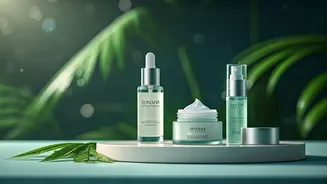
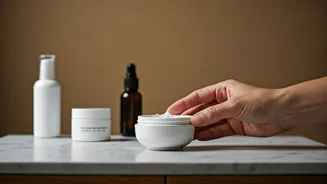
The good news is that you can easily replenish ceramides topically. When shopping for products, look for 'ceramides' on the ingredients list. You might see specific types listed, like Ceramide NP, AP, or EOP. Formulations that combine ceramides with other skin-identical ingredients like cholesterol and fatty acids are often the most effective, as they mimic the skin's natural lipid composition. * **Moisturisers:** This is the most common and effective way to deliver ceramides. A good ceramide-rich cream or lotion applied after cleansing can restore the barrier and lock in hydration for hours. * **Serums:** For a more concentrated dose, a ceramide serum can be layered underneath your moisturiser. These are typically lightweight and absorb quickly. * **Cleansers:** If you have very sensitive or dry skin, a gentle, creamy cleanser formulated with ceramides can help wash away impurities without stripping the skin of its essential lipids.
Look for the Right Combination
Not all ceramide products are created equal. For maximum benefit, dermatologists often recommend a 'golden ratio' of ceramides, cholesterol, and fatty acids. While you don't need to get out a calculator in the skincare aisle, look for products that mention this combination. Additionally, ingredients like niacinamide and hyaluronic acid work beautifully alongside ceramides. Niacinamide can help your skin produce more of its own ceramides, while hyaluronic acid provides an immediate hydration boost that the ceramides then help to lock in. While some foods (like sweet potatoes, soybeans, and brown rice) contain plant-based ceramides (phytoceramides), the most direct and proven way to address a compromised skin barrier is through consistent topical application. Think of it as directly patching up the 'mortar' in your skin's wall.