



The Official End of the Rains
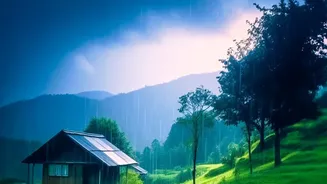
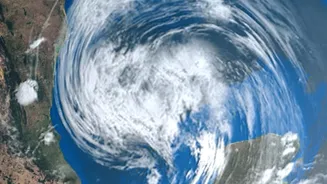
The monsoon doesn't just stop; it withdraws in stages. The India Meteorological Department (IMD) has a specific set of criteria for declaring the withdrawal, which typically begins from the northwestern parts of the country. This includes a cessation
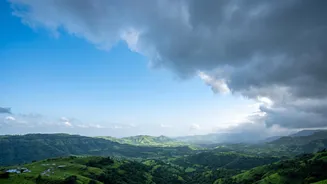
of rainfall for five continuous days and a significant drop in moisture. For 2026, forecasters have noted a significant reduction in cloud cover across the country. While some models earlier suggested an on-time withdrawal around September 17, current conditions indicate that the formal process is expected to begin after September 15. Favourable atmospheric conditions for the retreat are predicted to build during the second half of the month, with a more organised withdrawal possible around September 21. This year's retreat follows an erratic season influenced by El Niño, which has resulted in a national rainfall deficit.
Post-Monsoon Health Watch
The transition to a drier season is a critical time for health. Stagnant water left behind by the rains becomes a breeding ground for mosquitoes, leading to a rise in vector-borne diseases like dengue and malaria. It's crucial to ensure there is no standing water in or around your home, in coolers, pots, or open containers. The fluctuating temperatures can also weaken immunity, making people more susceptible to viral infections, colds, and the flu. Personal hygiene is paramount; doctors advise drying yourself thoroughly if you get caught in a final shower and changing out of damp clothes immediately to prevent fungal infections. Boosting your diet with immunity-enhancing foods and ensuring you get adequate sleep can help your body adapt.
Changes to Your Daily Commute
While the threat of waterlogged roads and traffic jams caused by downpours will recede, new challenges will emerge. The return of drier, sunnier weather often brings a phenomenon known as “October heat,” where temperatures can rise sharply before winter sets in. Your commute may become hotter and dustier. It’s time to retire the waterproof gear and ensure your vehicle’s air conditioning is working. For those on two-wheelers or using public transport, the focus shifts from staying dry to protecting yourself from the sun and dust. Road surfaces may also be in poor condition after months of rain, so remain cautious of potholes and damaged stretches that are now more visible.
Prepping Your Home and Wardrobe
Your home needs a post-monsoon refresh. The first task is to tackle any dampness. Open up windows to air out rooms, and check walls and ceilings for any leaks or water damage that need repairs. This is also a good time to deep clean and disinfect spaces, as the high humidity of the monsoon encourages mould and mildew growth. Your wardrobe will also need a transition. It's time to pack away the heavy-duty raincoats and waterproof footwear. Bring out the light, breathable fabrics like cotton. However, don't pack away your umbrella just yet; the withdrawal period can be erratic, with occasional showers still possible. Clothes that have been stored away may feel damp, so airing them in the sun or ironing them before use is a good idea to kill any fungal spores.
Shifts in the Air and on Your Plate
The character of the air itself will change. Humidity levels will drop, providing relief from the sticky feeling that dominates the rainy season. This also means it's a great time for outdoor activities that were put on hold. As the season turns, so does the produce available in local markets. Say goodbye to many of the monsoon gourds and get ready for the arrival of fresh winter vegetables. The post-monsoon period is also a time of celebration, with major festivals like Diwali just around the corner. The clearer, more pleasant weather provides the perfect backdrop for outdoor gatherings and festivities, marking a distinct shift in the social and cultural rhythm of daily life.